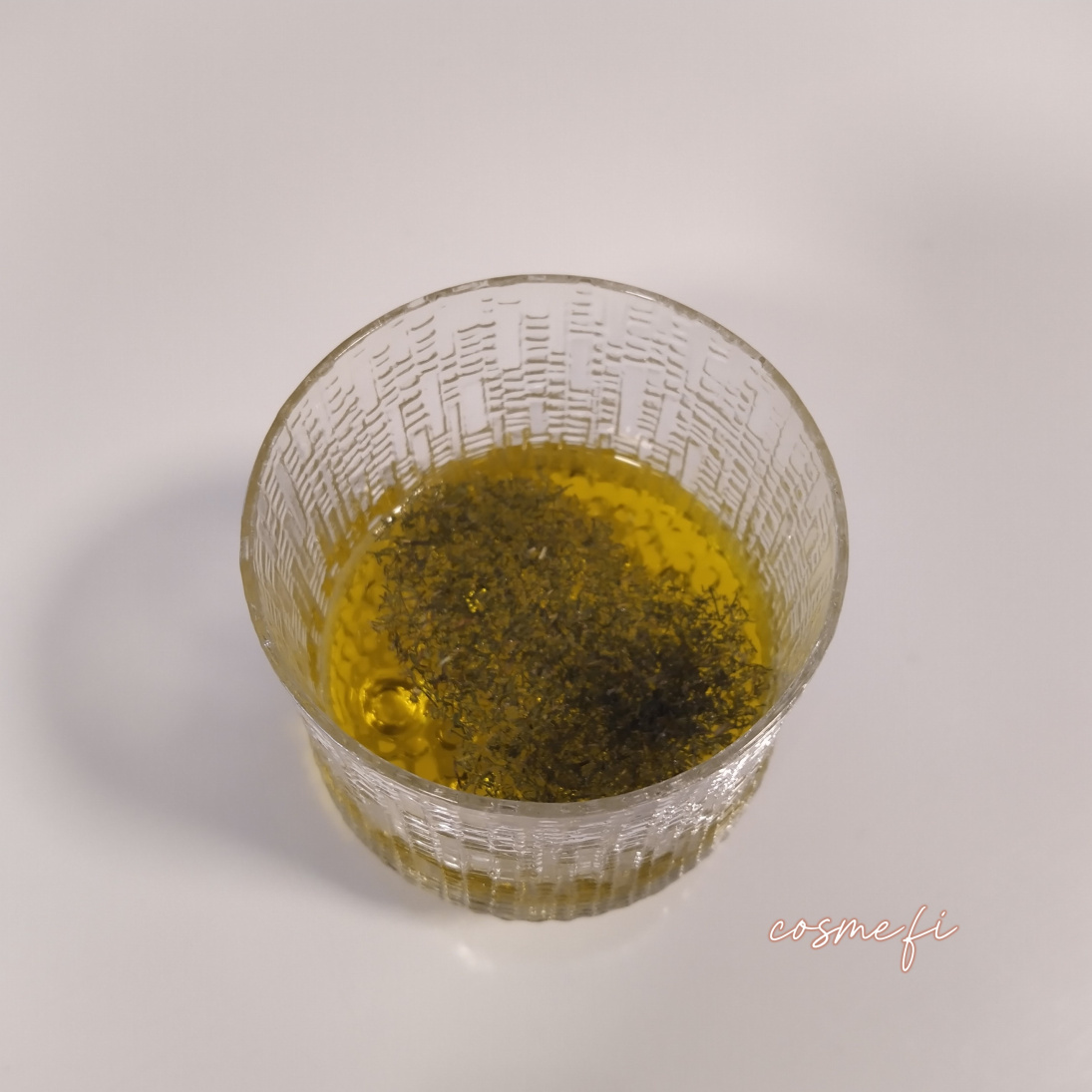
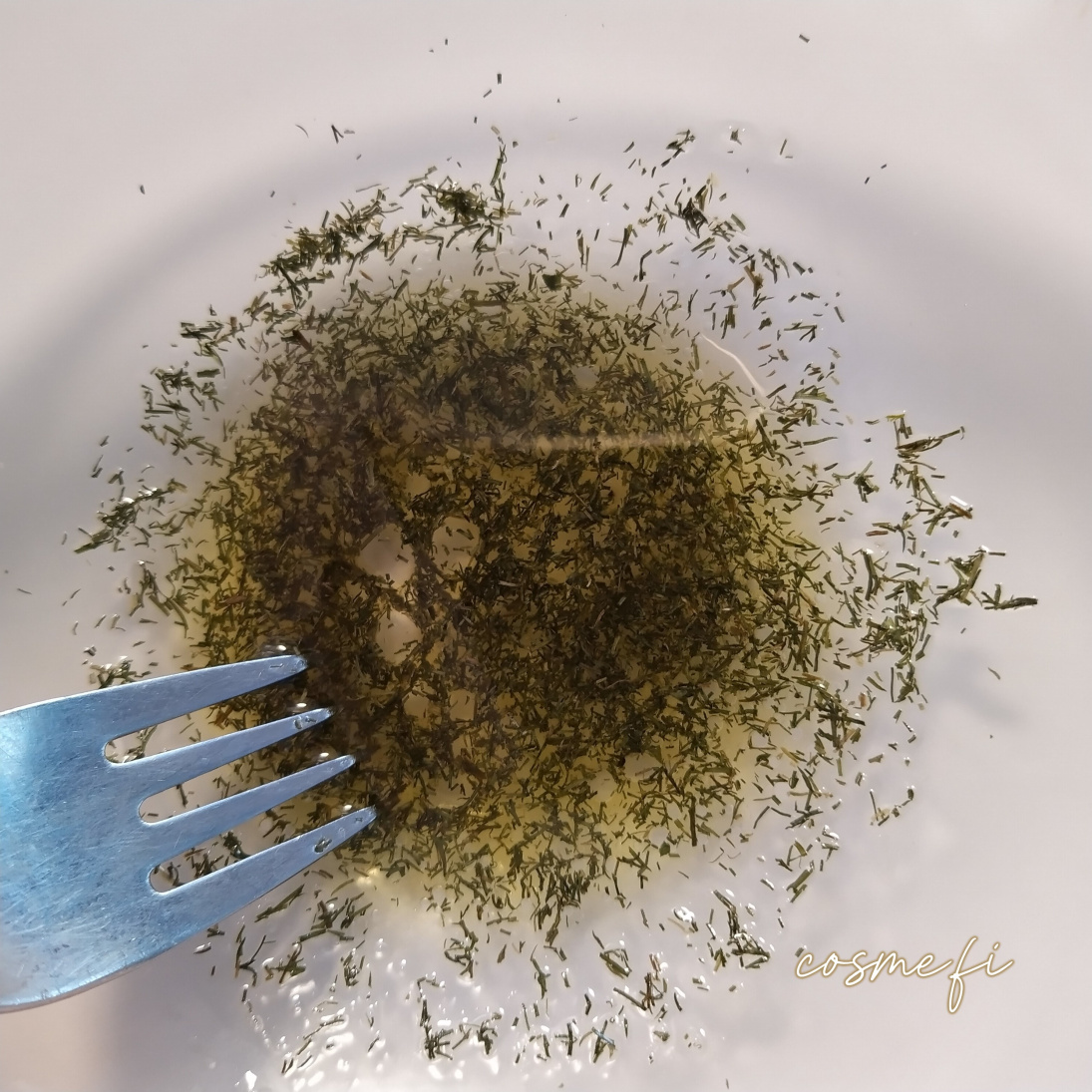
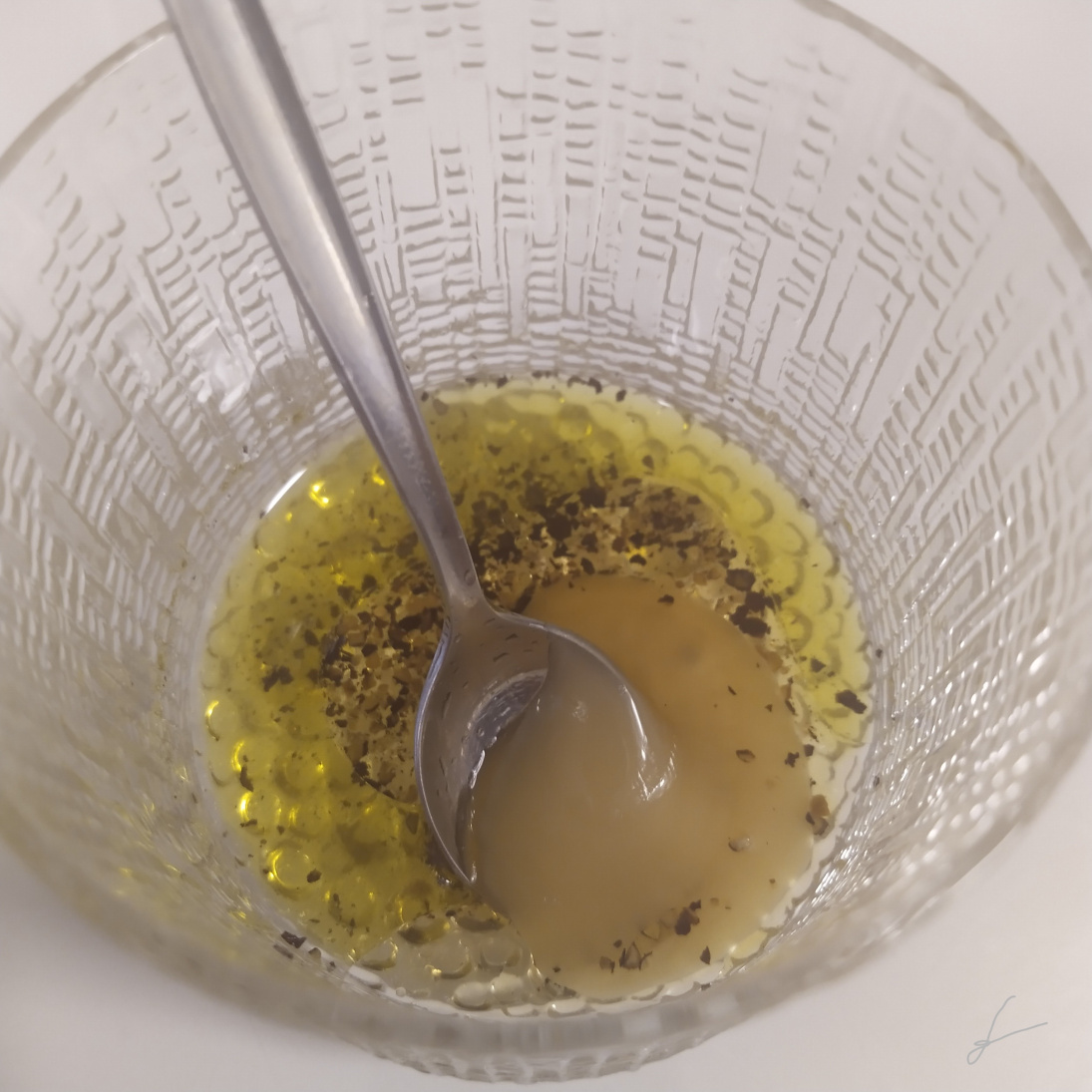
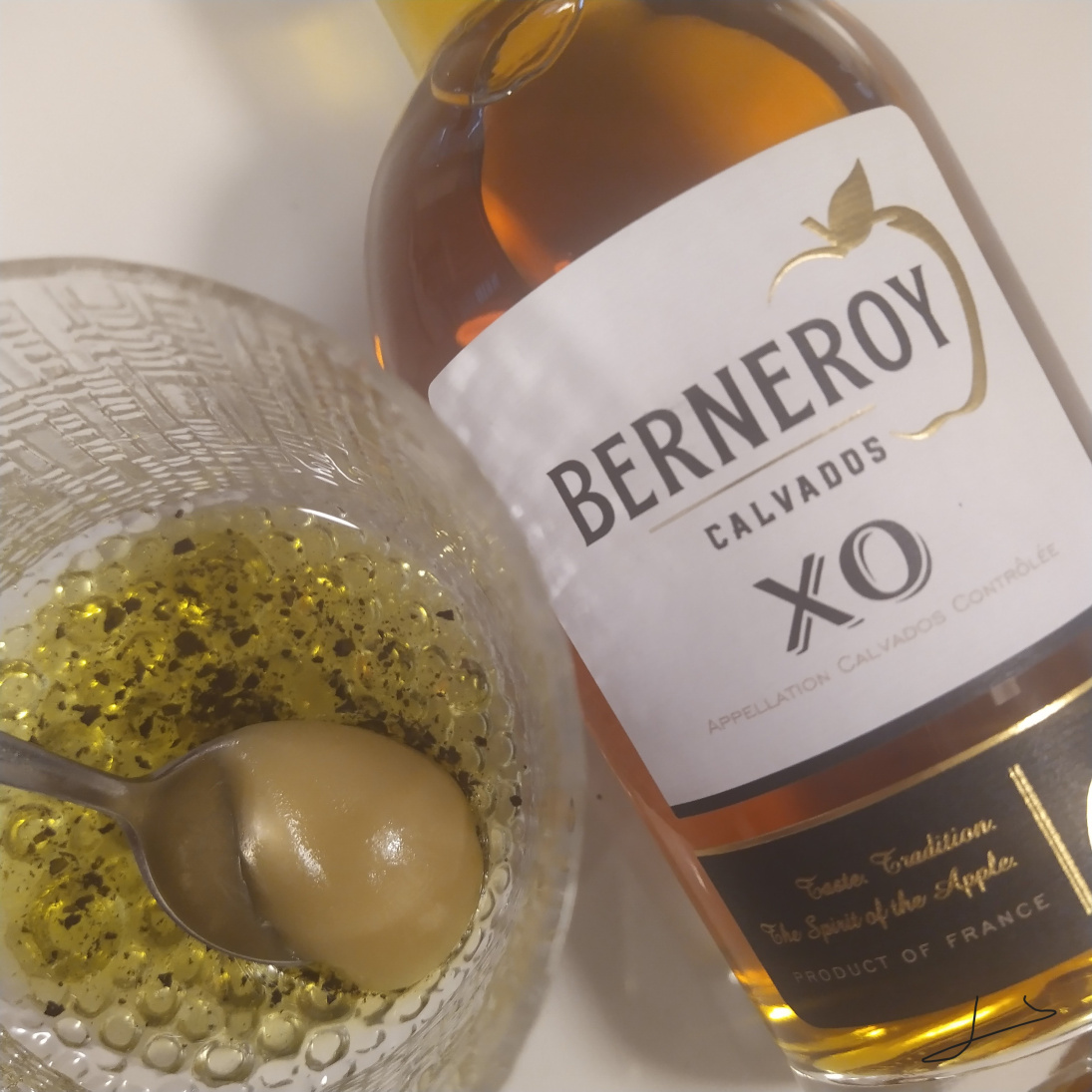
Drizzle a little extra virgin olive oil or homemade flavored oil over the finished dish.
You can make tasty oils by adding herbs, garlic, ... to the oil.
............................................
Cholesterol Management
Milk, cream, butter
Saturated fatty acids: LDL cholesterol
Extra virgin olive oil
Unsaturated fatty acids: lower LDL cholesterol, increase HDL cholesterol
More vegetable oils:
- More unsaturated fat
Cholesterol management
Milk, cream, butter
Saturated fatty acids: LDL cholesterol
Rapeseed oil - Cold-pressed olive oil
Unsaturated fatty acids: lowering LDL cholesterol, increasing HDL cholesterol
Fatty acids, especially omega-3 fatty acids, can significantly affect cholesterol.
Omega-3 fatty acids, such as eicosapentaenoic acid (EPA) and docosahexaenoic acid (DHA), can reduce blood triglycerides and inflammation, which may lower the risk of cardiovascular diseases.
Cholesterol is a fat-like substance that the body needs to build cell membranes, hormones, and vitamin D. High cholesterol can lead to atherosclerosis and heart and brain attacks.
Omega-3 fatty acids can raise HDL cholesterol (good cholesterol) and lower LDL cholesterol (bad cholesterol), which is beneficial for heart health.
Omega-3 fatty acids are beneficial for lowering cholesterol and promoting heart health.
Olive oil 100 g:
Nutrient Target
Energy kcal 884.0 kcal 44%
Energy kJ 3,700.0 kJ
Fat 100.0 g 141%
Saturated 14.0 g 63%
Monounsaturated 68.4 g 205%
Polyunsaturated 10.9 g 66%
Vitamin Target
Vitamin A (RAE) 2.0 µg 0%
Vitamin E 11.9 mg 149%