Health benefits of bell peppers:
- Vitamin C
Yellow bell peppers can contain up to five times more vitamin C than oranges. This strengthens the immune system, helps fight infections, and promotes skin health.
- Antioxidants protect your cells
Bell peppers contain beta-carotene, lutein, and zeaxanthin, which combat free radicals and reduce inflammation.
- Good for the skin
Carotenoids may help prevent premature aging of the skin and improve surface blood circulation – they can even help with acne treatment.
- Light and high in fiber
One bell pepper contains only about 30 kcal and is rich in fiber, which supports gut health and helps with weight management.
- Nutrients that support heart health
Potassium and antioxidants can help lower blood pressure and improve cholesterol levels.
- Vitamin A for eye support
Red bell peppers are especially a good source of vitamin A, which supports vision, particularly in low light.
Home Kitchen SiriSiri
Honey onions and stuffed peppers
Main Page > Root vegetables and vegetables
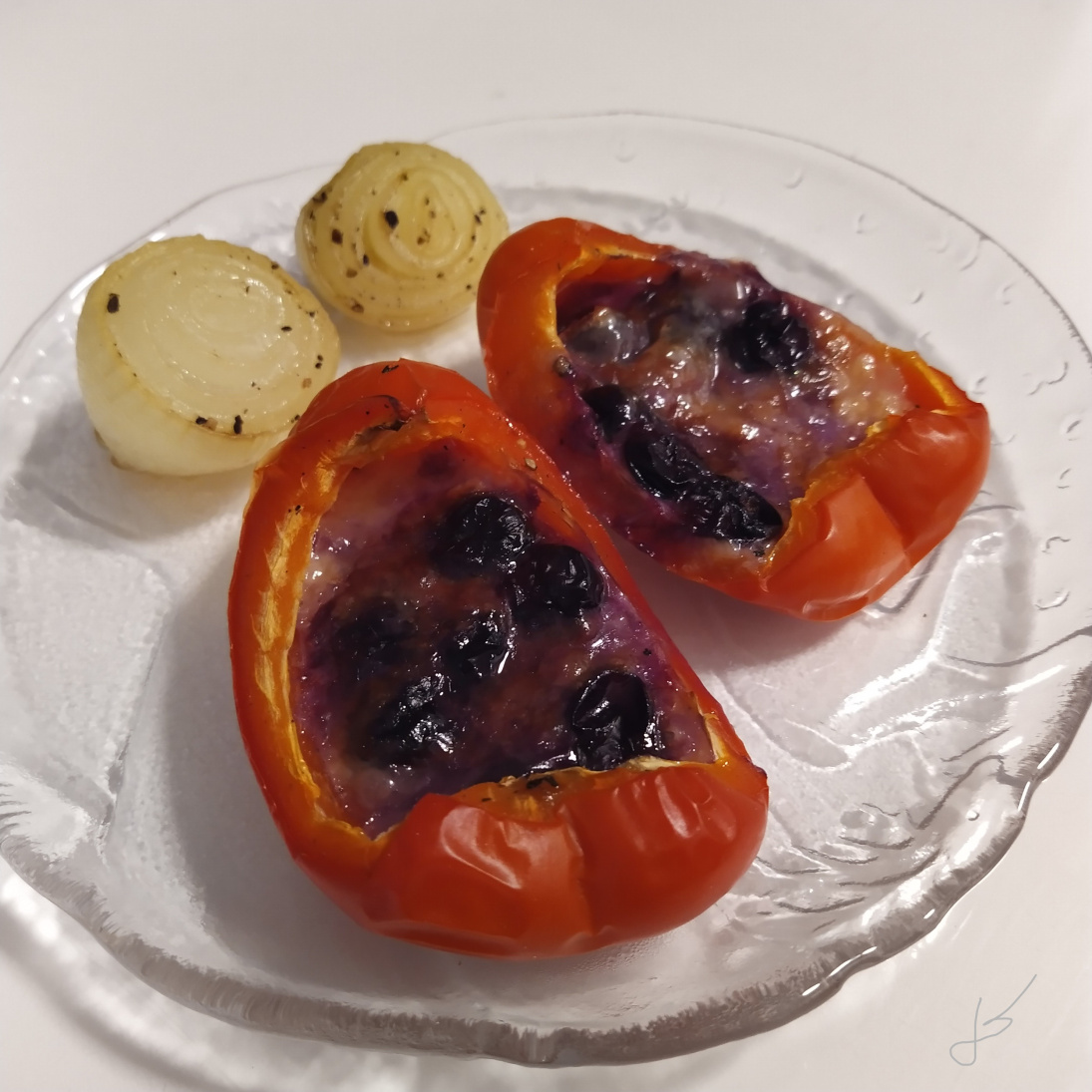
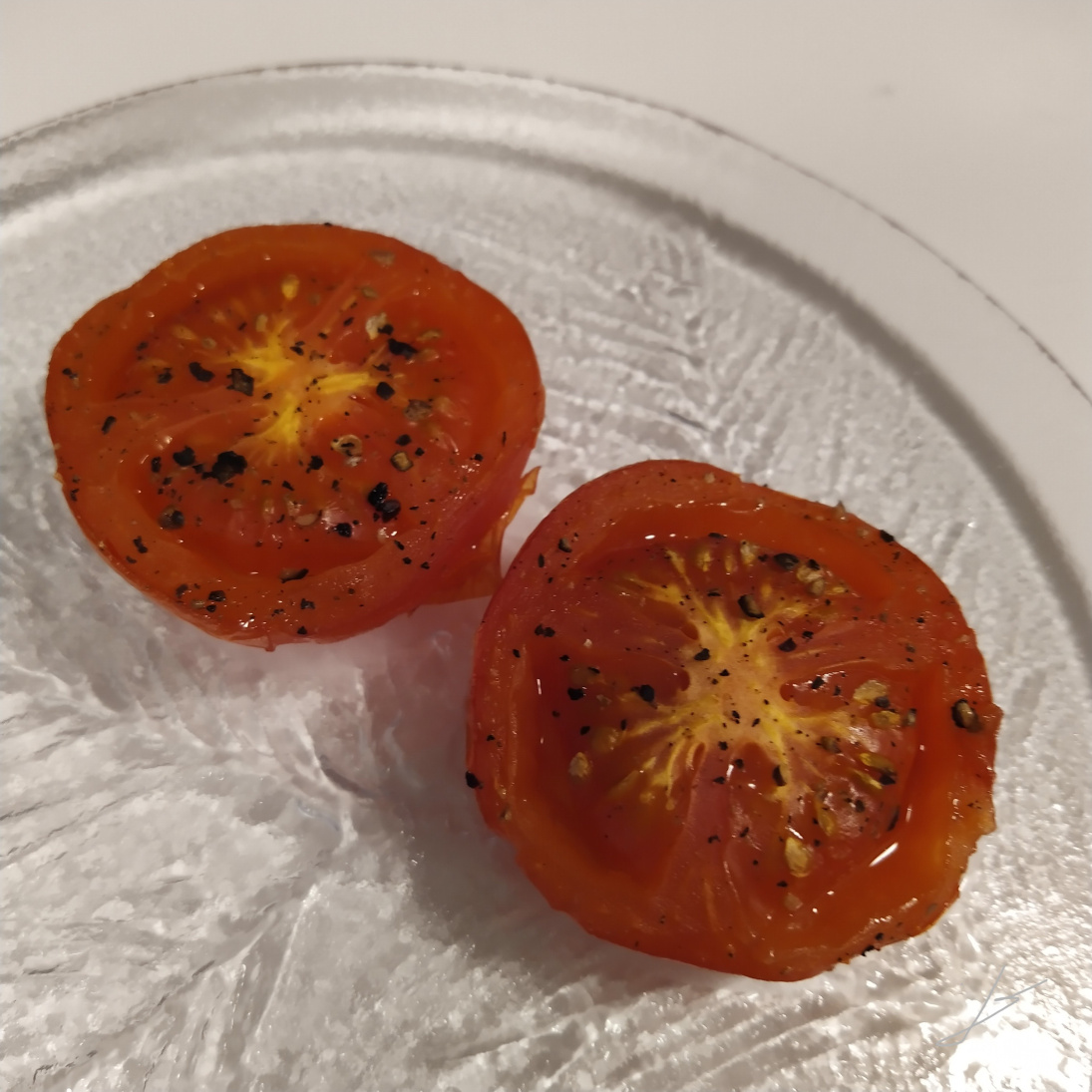
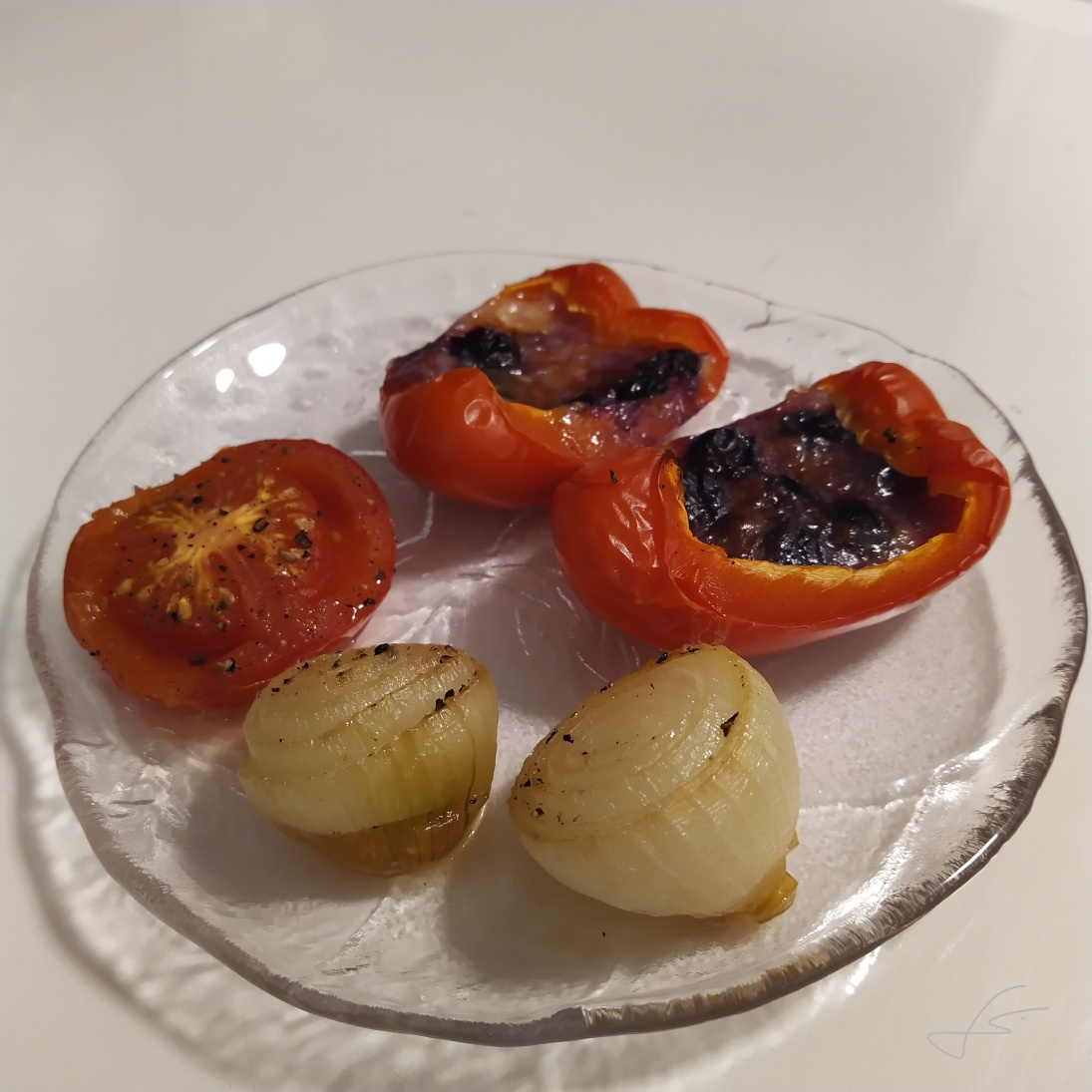
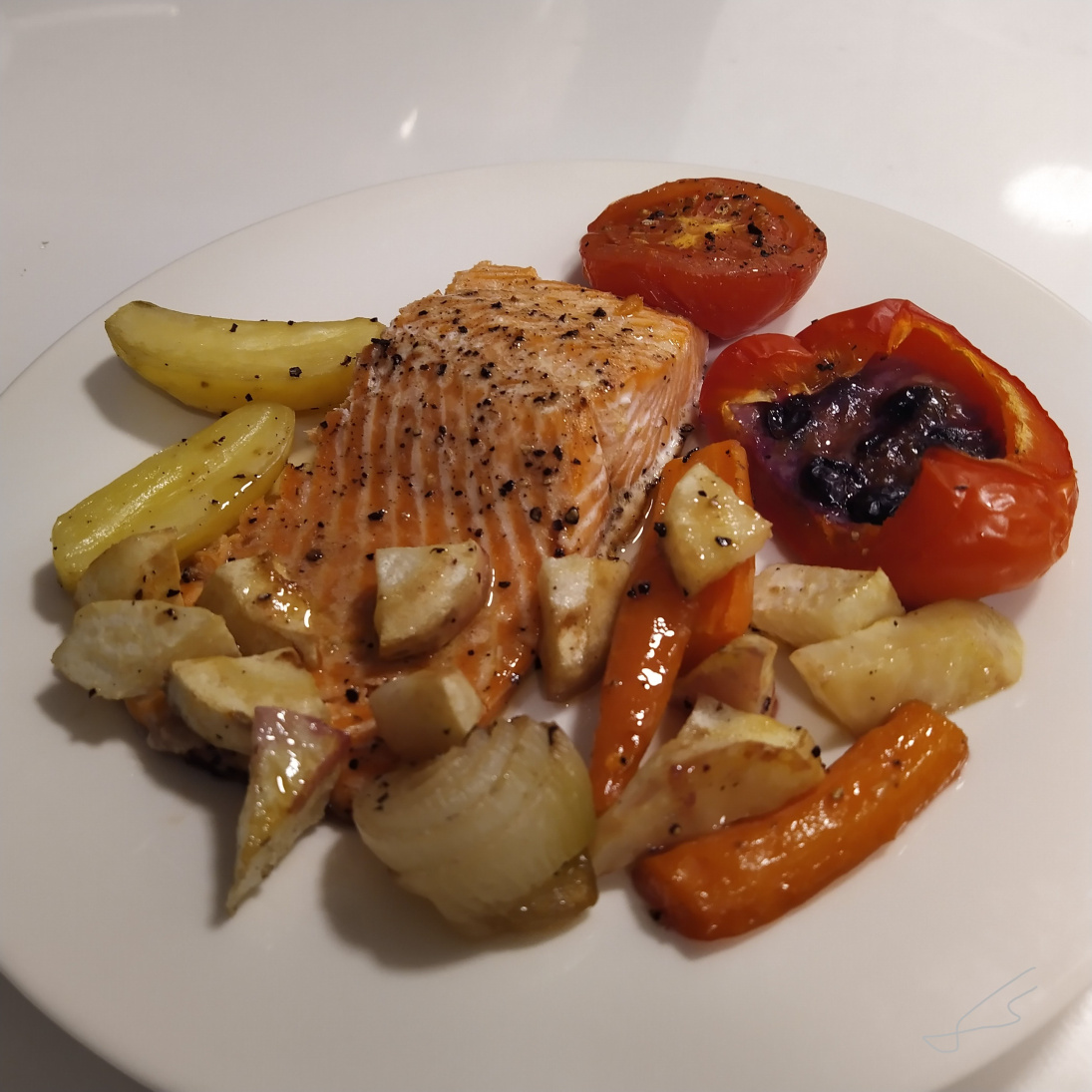
A medium-sized bell pepper has only about 30 calories, making it a very diet-friendly food. Bell peppers are also a good source of vitamins and minerals, including vitamin C, which is important for immune system health. Although most of the calories in bell peppers come from carbohydrates, they also contain small amounts of protein and fat.
Supports immunity
Especially red bell peppers are rich in both vitamin A and C, both of which strengthen the body's resistance to inflammation.
Promotes skin wellbeing
The vitamin C in bell peppers promotes collagen production. Collagen is needed by the skin, connective tissue, joints, tendons, muscles, and bones.
Bell peppers make your skin glow.
The carotenoids in bell peppers prevent skin wrinkling and increase blood circulation in the skin. Carotenoids may also be an effective way to fight acne.
The vitamin A in bell peppers helps the skin maintain its natural moisture balance.
Additionally, the antioxidant vitamins A and C in bell peppers support skin health by combating the harmful effects of free radicals that cause premature aging of the skin.
Supports vision
The vitamin A and carotenoid precursor beta-carotene in bell peppers protect the cornea and help prevent corneal inflammation. Vitamin A1 (retinol) is essential for the functioning of the light-sensitive cells in the retina, particularly for vision in dim light.
Vitamin A may slow the progression of macular degeneration.
Promotes iron absorption
Bell peppers contain vitamin C, which is needed for the absorption of iron from food.
Low in calories and carbohydrates
Bell peppers are low in carbohydrates and calories. Because they are light, they are suitable for those on a diet and add sweetness to food without extra calories and sugar.
Low-carb green bell peppers are even suitable for a ketogenic diet.
Bell peppers can be eaten raw, fried, stuffed or even in soups – and each colour brings slightly different nutrients.
Bell peppers are delicious both raw and cooked, but heat treatment affects their nutritional content slightly differently:
Nutrient retention in bell peppers when heated
- Vitamin C – sensitive to heat
Pepper peppers are known for their high vitamin C content, but unfortunately this vitamin is heat sensitive. When heated, especially for a long time or at high temperatures, up to 50–70% of vitamin C can be lost.
- Carotenoids – more resistant
Beta-carotene, lutein and zeaxanthin – these antioxidants are more resistant to heat. In some cases, heating can even improve their absorption into the body, as the cell walls soften and release nutrients more easily.
- Fiber and minerals – quite stable
Dietary fiber and minerals such as potassium and magnesium are well preserved when heated. They do not break down in heat, so peppers remain a good source of fiber and trace elements even when cooked.
- The flavor profile changes
Heating brings out the sweetness of peppers and softens their texture. For example, oven-roasted peppers acquire a deep, slightly smoky flavor that is especially suitable for soups and sauces.
Tips for preserving nutrients
- Cook peppers briefly and at low heat - for example, steaming or quick frying preserves more nutrients than long simmering.
- Add peppers at the end of cooking if you want to retain their vitamin C.
- Use raw peppers in salads or as dips to get the full benefit of their vitamins.
Paprika, red 100 g:
Nutrient Target
Energy kcal 28.4 kcal 1%
Energy kJ 118.8 kJ
Fat 0.3 g 0%
Polyunsaturated 0.1 g 0%
Carbohydrate 4.5 g 2%
Sugar 4.5 g 9%
Protein 0.9 g 1%
Fiber 1.9 g 8%
Vitamin Target
Vitamin A (RAE) 243.8 µg 35%
Riboflavin (B2) 0.1 mg 10%
Vitamin B6 0.5 mg 38%
Vitamin C 184.8 mg 246%
Vitamin E 2.2 mg 27%
Folate (Vitamin B9) 55.9 µg 19%
Niacin (Vitamin B3) 1.3 mg 9%
Mineral or Trace Element Target
Phosphorus (P) 30.0 mg 5%
Iodine (I) 1.0 µg 1%
Potassium (K) 290.0 mg 9%
Calcium (Ca) 9.0 mg 1%
Magnesium (Mg) 14.0 mg 5%
Sodium (Na) 3.5 mg
Iron (Fe) 0.6 mg 4%
Selenium (Se) 0.2 µg 0%
Zinc (Zn) 0.1 mg 1%

