
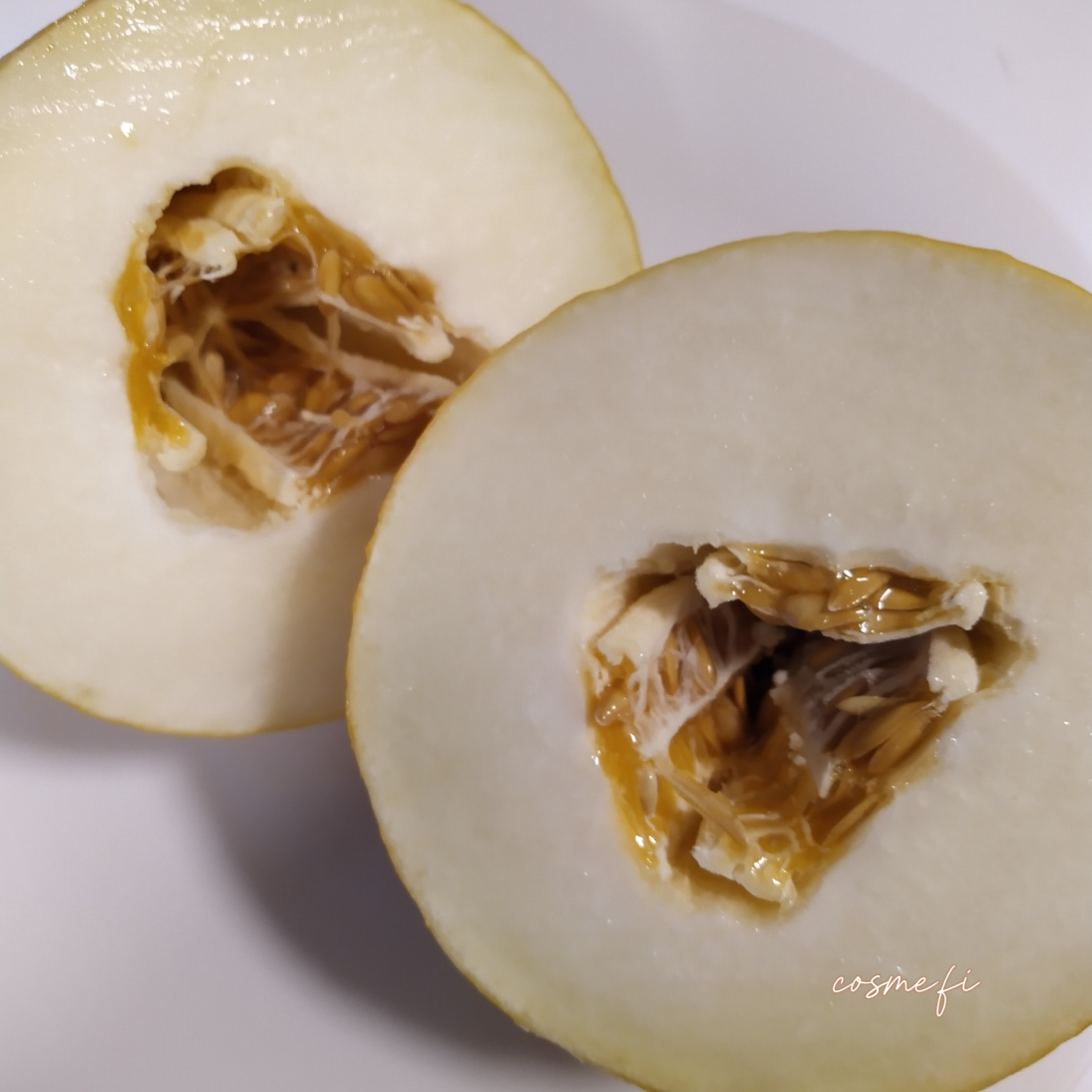



Honeydew melon is low in calories and, thanks to its high water content and nutrients, is an effective body hydrator and offers many health benefits, such as heart health, immune system support, and bone wellness.
Hydration and electrolytes
Honeydew melon contains about 90–91% water and electrolytes such as potassium, magnesium, sodium, and calcium, making it an excellent thirst quencher and supporter of body hydration, especially after exercise or during illness.
Vitamins and antioxidants
Honeydew melon is a good source of vitamin C and vitamin A and also contains vitamin B6, folate, and vitamin K. Vitamin C supports the immune system and collagen production in the skin while protecting cells from oxidative stress, while vitamin A and beta-carotene promote vision and mucous membrane health. Honeydew melon also contains antioxidants such as lutein, zeaxanthin, phytoene, and quercetin, which may support eye and heart health.
Heart and cardiovascular health
The combination of high potassium and low sodium content may help maintain normal blood pressure. Additionally, antioxidants and polyphenols can lower LDL cholesterol and triglycerides, possibly raise HDL cholesterol, support heart health, and reduce inflammation.
Bone and protein synthesis
Folate, vitamin K, and magnesium in cantaloupe affect bone health by promoting the production of proteins such as osteocalcin and the breakdown of homocysteine, which may support bone mineral density in the long term.
Blood sugar and diabetes risk management
Regular consumption of fruits, including cantaloupe, has been associated with improved blood sugar control and a lower risk of type 2 diabetes, partly due to the fiber and plant nutrients that help slow the rise in blood sugar.
Digestion and Gut Health
Honeydew melon contains fiber, which promotes digestive health and supports beneficial gut bacteria, and it may also act as a gentle laxative.
Skin and Immune System
The vitamin C in the melon supports proper skin renewal and collagen production, while the combination of other nutrients and antioxidants helps the immune system fight infections.
Usage
Honeydew melon can be eaten on its own or added to smoothies, salads, desserts, and even soups, making it a versatile and delicious addition to a healthy diet.
In summary, honeydew melon is a nutritious and low-calorie fruit that supports hydration, heart and bone health, the immune system, eye and skin wellbeing, as well as digestion, making it an excellent part of a balanced diet.


