Egg cups in the microwave:
First, brush oil inside the cup using a brush.
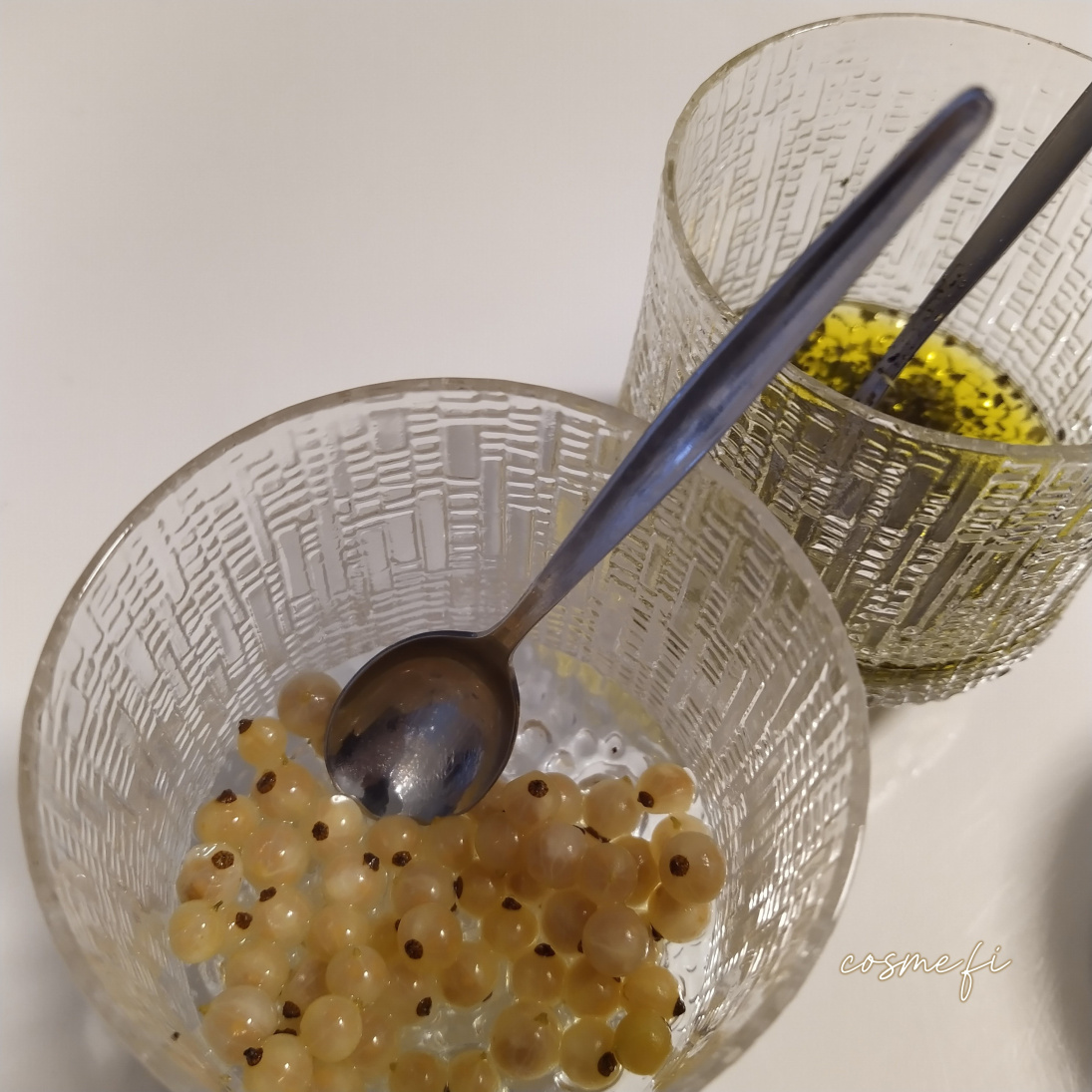
Extra virgin olive oil, parsley, basil, black pepper, salt - white currants, Calvados
Bell pepper, eggs (break the eggs carefully), white currants
Main Page > Home Kitchen SiriSiri > Breakfast



Egg cups in the microwave:
First, brush oil inside the cup using a brush.
Extra virgin olive oil, parsley, basil, black pepper, salt - white currants, Calvados
Bell pepper, eggs (break the eggs carefully), white currants
A medium-sized egg contains about 70 kcal, 7 g of protein, 5 g of fat and a wealth of vitamins and minerals, making it a versatile and nutritious food.
- Macronutrients
A medium-sized (approx. 55 g) egg contains about 7 grams of high-quality protein, which contains all the amino acids essential for humans, making it an excellent source of protein for maintaining and growing muscle mass.
There is about 5 grams of fat, of which about two-thirds is unsaturated, soft fat and one-third is saturated, hard fat.
There are very few carbohydrates in an egg, so it is also suitable for low-carb diets. The energy content is about 70–75 kilocalories per egg.
- Vitamins and minerals
An egg contains almost all the vitamins essential for humans, except vitamin C. Important vitamins include: Vitamins A, D and E (fat-soluble)
B vitamins, especially B12, B2 and folate (water-soluble)
Biotin and pantothenic acid, which support the well-being of hair, skin and nails.
- Of the minerals, eggs are rich in phosphorus, selenium and iodine, which support bone and metabolic function.
- An egg yolk contains approximately 186–200 mg of cholesterol. According to studies, moderate consumption of eggs (1–2 eggs per day in healthy adults) does not usually significantly increase blood cholesterol levels, and it can even improve the level of good HDL cholesterol. The effect of cholesterol varies from person to person, and in about a third of people, dietary cholesterol can raise LDL cholesterol more than LDL cholesterol.
- Choline is an important nutrient for the function of the nervous system and brain, especially fetal development and memory functions.
Ateroskleroosi = (valtimoiden) rasvakovettumistauti, valtimonrasvoittumistauti, valtimoiden haurauskovettumistauti | sairaus, jossa suurien ja keskisuurien valtimoverisuonien sisäkerrokseen kertyy rasva-ainepaksuuntumia, joihin myöhemmin muodostuu sidekudosta ja jotka mahdollisesti kalkkiutuvat, mistä seuraa suonten ahtautuminen ja niiden seinämien kovettuminen
Kolesteroli = mm. solukalvoissa esiintyvä ihmiselimistön yleisin steroli, joka on mm. sappihappojen ja steroidihormonien synteesin lähtöaine, joka kulkee veressä lipoproteiineihin liittyneenä ja jota ateroskleroosissa saostuu verisuonten seinämiin
HDL-kolesteroli = "hyvä kolesteroli"; (veriplasman, seerumin) HDL:n (high-density lipoprotein) osana oleva kolesteroli, jonka korkea pitoisuus suojaa sepelvaltimotaudilta ja yleensäkin ateroskleroosilta (valtimonrasvoittumistaudilta)
LDL-kolesteroli = "paha kolesteroli"; LDL:n osana oleva kolesteroli, jonka korkea pitoisuus veriseerumissa/veriplasmassa on sepelvaltimotaudin ja yleensäkin ateroskleroosin (valtimonrasvoittumistaudin) yksi kolmesta tärkeimmästä riskitekijästä
Steroli = kasveissa esiintyviä, molekyylirakenteeltaan läheisesti kolesterolia muistuttavia steroleja, jotka eivät imeydy ihmisen suolistosta ja jotka myös estävät kolesterolia imeytymästä
An egg contains plenty of nutrients. One serving provides 82.9 kcal (347.1 kJ) of energy, 6.0 g of fat, of which 1.2 g is saturated and 0.7 g is polyunsaturated. It has only 0.2 g of carbohydrates, of which 0.2 g is sugar, as well as 7.2 g of protein and 0.2 g of salt.
In terms of vitamins, eggs are particularly rich in vitamin A (155.5 µg), riboflavin (0.2 mg), and vitamin B12 (1.5 µg), but also contain vitamins D, E, and folate.
As for minerals and trace elements, they contain phosphorus (121.8 mg), iodine (24.5 µg), selenium (19.1 µg), and zinc (0.8 mg), among others.

