Lycopene
Tomatoes are rich in lycopene, a powerful antioxidant that may help reduce inflammation and prevent cardiovascular diseases as well as certain types of cancer.
The nutrients in tomatoes don't disappear when cooked – on the contrary, some even get enhanced.
What happens to the nutrients in tomatoes when cooked?
Lycopene increases
- Lycopene, the red antioxidant in tomatoes, is absorbed better from cooked tomatoes than from raw ones.
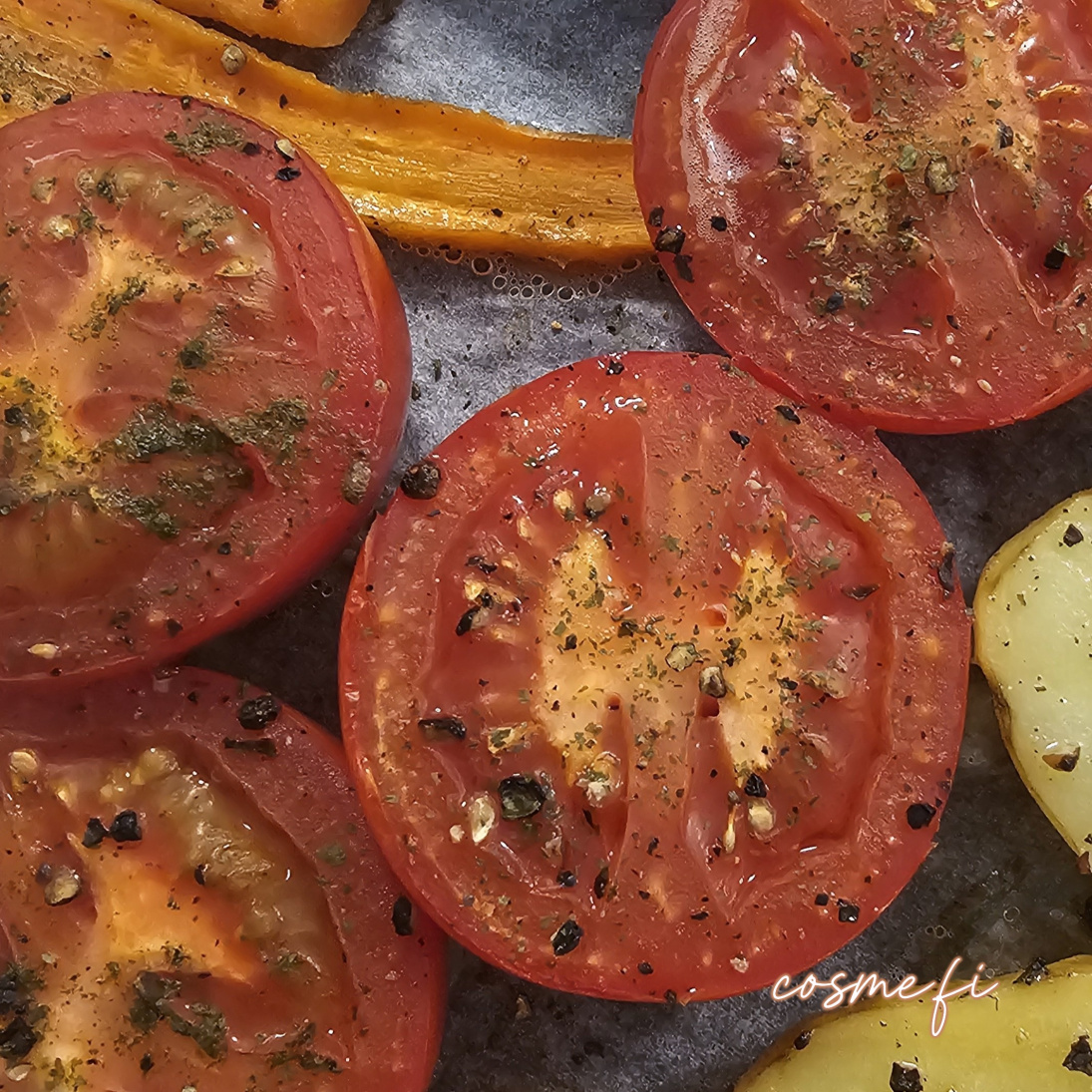
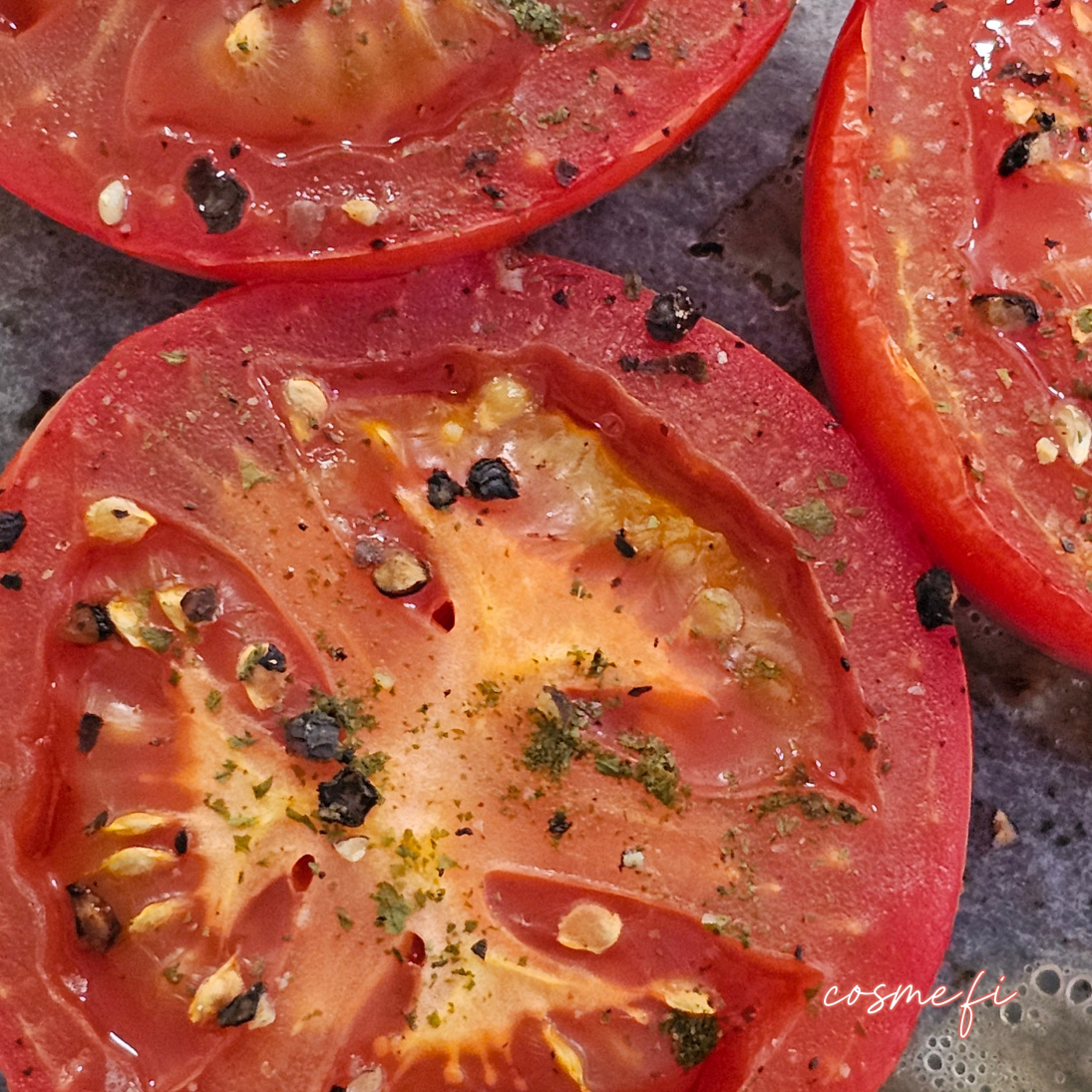
- For example, tomato sauce, soup, or oven-roasted tomatoes contain lycopene that is more easily utilized.
- Lycopene may help protect the heart and reduce the risk of cancer, especially prostate cancer.
Vitamin C decreases
- Vitamin C is sensitive to heat, so its amount decreases when cooked.
- Fresh tomato is therefore a better source of vitamin C than cooked tomato.
Other nutrients are well preserved
- Fiber, potassium, and folate remain fairly intact during cooking.
- Cooking can also make tomatoes easier to digest and taste more intense.
Combine fresh and cooked The best strategy is to eat tomatoes both fresh and cooked. This way, you get the benefits of vitamin C and the enhanced effects of lycopene.
Some vegetables contain nutrients that cooking actually enhances.
Tomatoes have lycopene, which is absorbed more effectively when heated.
– Lycopene is fat-soluble. If you make tomato sauce and add some oil, lycopene is absorbed even better.
Lycopene is a carotenoid and an antioxidant.
Carotenoids are often behind the red, orange, or yellow color of plants. Many of them can act as antioxidants.
Antioxidants prevent oxidation, for example, the harmful effects of free radicals in the body.
Tomato lycopene is also better absorbed from tomato products, like crushed tomatoes.
In concentrated tomato products, there can be more lycopene per weight than in fresh tomatoes because some of the water has been removed.
Tomatoes should be stored at room temperature. Too warm is better than too cold, the ideal storage temperature for tomatoes is +13 degrees.
Nutrients in tomato (100 g raw tomato):
- Calories 18 kcal – light and low-energy
- Water 95% – good for hydration
- Protein 0.9 g – building blocks for tissues
- Carbohydrates 3.9 g – energy, mainly glucose and fructose
- Sugar 2.6 g – natural sweetness
- Fiber 1.2 g – supports digestion
- Fat 0.2 g – low-fat option
Vitamins and minerals
- Vitamin C: About 28% of daily recommendation – supports immunity
- Vitamin A (beta-carotene): Good for eyesight and skin
- Vitamin K: Important for blood clotting
- Potassium: Helps control blood pressure
- Folate (Vitamin B9): Important for cell division and during pregnancy