Oat bread, extra virgin olive oil, cheese, salad, avocado, lemon
Oat bread - Avocado
Main Page > Home Kitchen SiriSiri > Breakfast
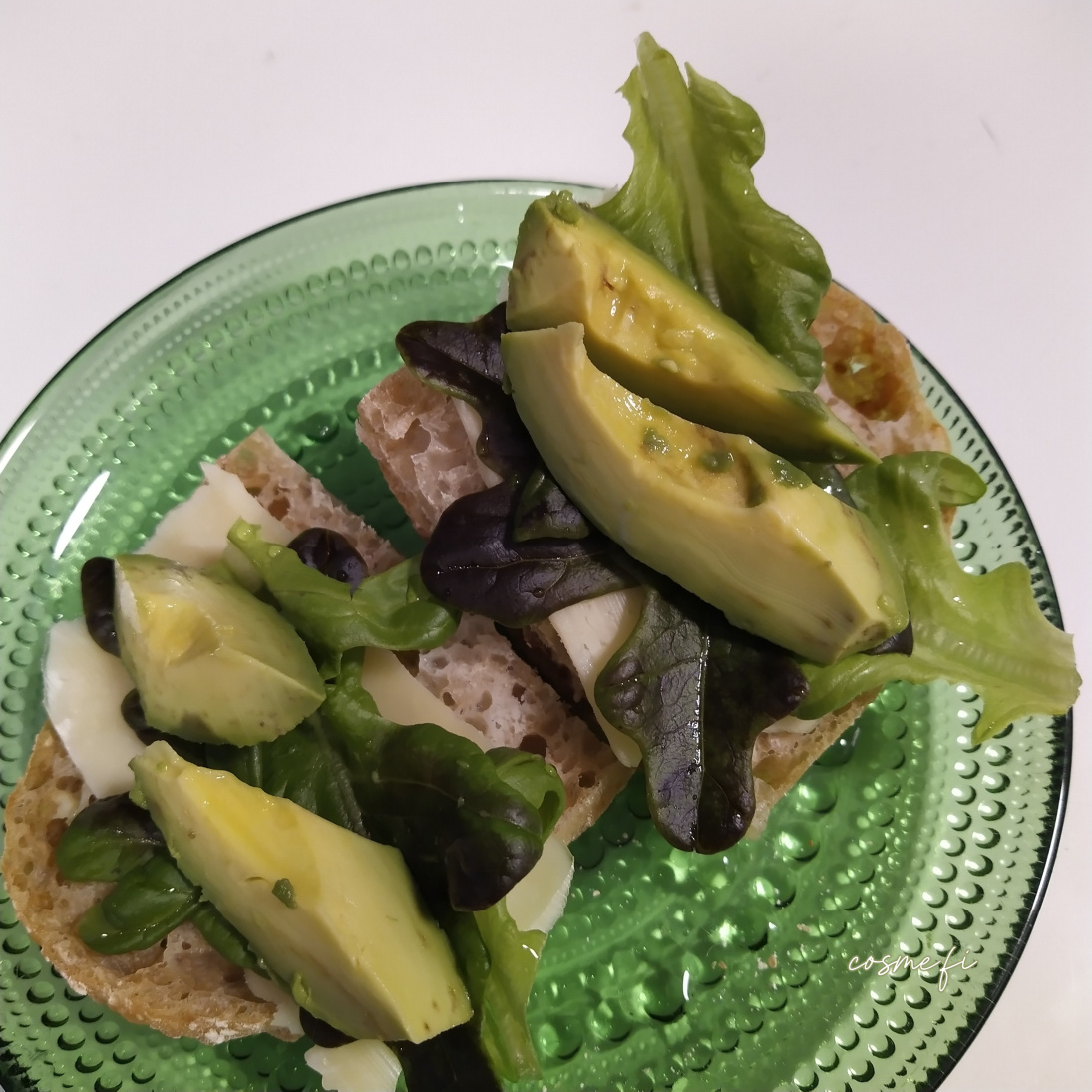
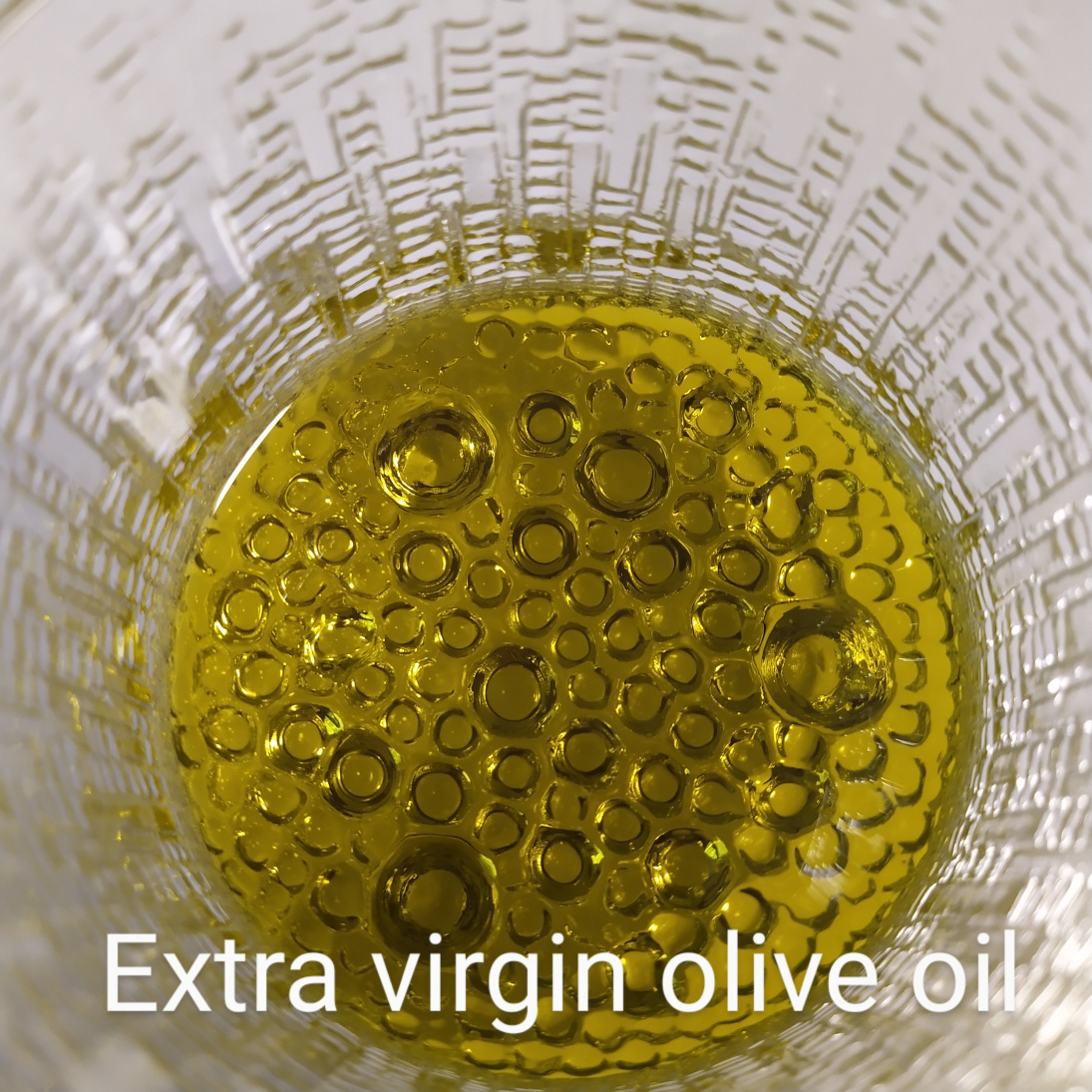
Oat bread - Avocado.
Oats:
- Oats contain more protein and fat than other grains grown in Finland. Most of the fat in oats is soft, or unsaturated fat, which is beneficial for health.
Oat protein is of high nutritional quality, as it is well absorbed. Oats are rich in fiber, more than half of which is beta-glucan, which is particularly beneficial for health.
Oats also provide B vitamins, iron, magnesium and zinc, among other things.
- Oats do not contain any gluten, unlike rye, wheat and barley. Therefore, oats are also suitable for people with celiac disease, as long as they are pure and not mixed with cereals containing gluten.
Oats promote the well-being of the intestines of people with celiac disease, as they help maintain a diverse range of beneficial intestinal microbes.
Oats are also suitable for a FODMAP diet that is gentle on sensitive stomachs and irritable bowel syndrome.
- Oats' soluble dietary fiber beta-glucan helps control blood cholesterol levels. It forms a gel with water in the intestines, which prevents cholesterol from being absorbed into the body.
The gel also binds cholesterol-containing bile acids in the intestines. This reduces the amount of cholesterol absorbed into the body during digestion.
- Oats' beta-glucan helps to balance the rise in blood sugar after a meal. The effect is based on the fact that oats form a gel during digestion, which slows down the emptying of the stomach and the absorption of nutrients.
Steady blood sugar promotes endurance and helps maintain alertness.
- Oats' fiber promotes stomach function, prevents constipation and supports intestinal well-being. One hundred grams of oats contain nine grams of fiber.
Foods high in fiber increase satiety and can therefore also facilitate weight management. Fiber is also food for beneficial intestinal microbes.
- Oats are rich in antioxidants, such as avenanthramides. According to research, they are beneficial, among other things, in the body's defense and inflammatory reactions.
The antioxidants in oats have been found to help, for example, soothe irritated skin.
Text excerpts: Finnish Food Authority
Use less salt and choose low-salt foods
- Avoid using salt and foods high in salt, especially if your blood pressure is already slightly elevated. The effect of a healthy and varied diet on blood pressure is equivalent to the level of drug treatment.
- The recommended salt intake is less than 5 g/day, which is equivalent to a teaspoon. Finns consume an average of 9.5 g/day of salt for men and 6.9 g/day for women. Salt consumption is strongly linked to the development of hypertension, so it is important to reduce salt intake.
Sodium requirement
- 40% of table salt, sodium chloride, is sodium. Sodium is needed, for example, to regulate the body's fluid balance and for the function of muscles and the nervous system. However, the need for sodium is so low that it is easy to get enough of it even if you do not consume any salt. Many foods naturally contain sodium (including dairy products, meat and fish).
The harms of excess sodium
- The harmful effects of sodium in salt on our bodies are well known. Too much salt binds fluid in the body and causes swelling. It strains the heart, blood vessels and kidneys and is particularly harmful to brain health. High blood pressure and strokes are common diseases in our country. According to population studies, low sodium intake protects against high blood pressure, cardiovascular diseases and stomach cancer.
- Table salt is sodium chloride, 40% of which is sodium. Meat dishes, sausages and cold cuts in particular, as well as cereal products such as bread, are rich in salt. The salt added to food covers more than half of the daily sodium intake. In addition, various spice mixtures, broth preparations and condiments such as soy sauce, mustard and ketchup contain a lot of salt. Foods that are very high in salt include salted nuts, popcorn, herring, some cheeses, cured sausages, cold-smoked fish and meat, and some preserved vegetables, such as olives and pickles.

