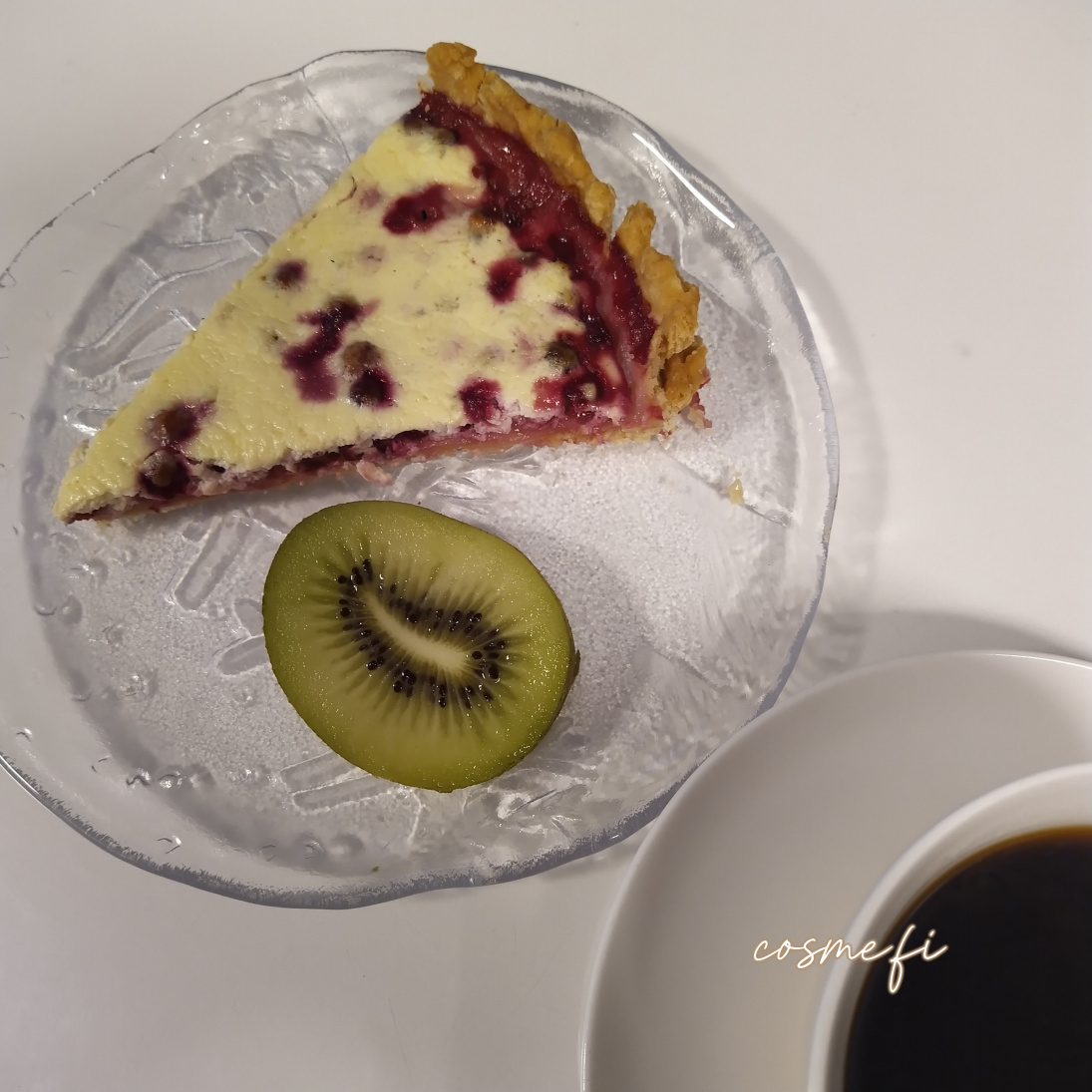
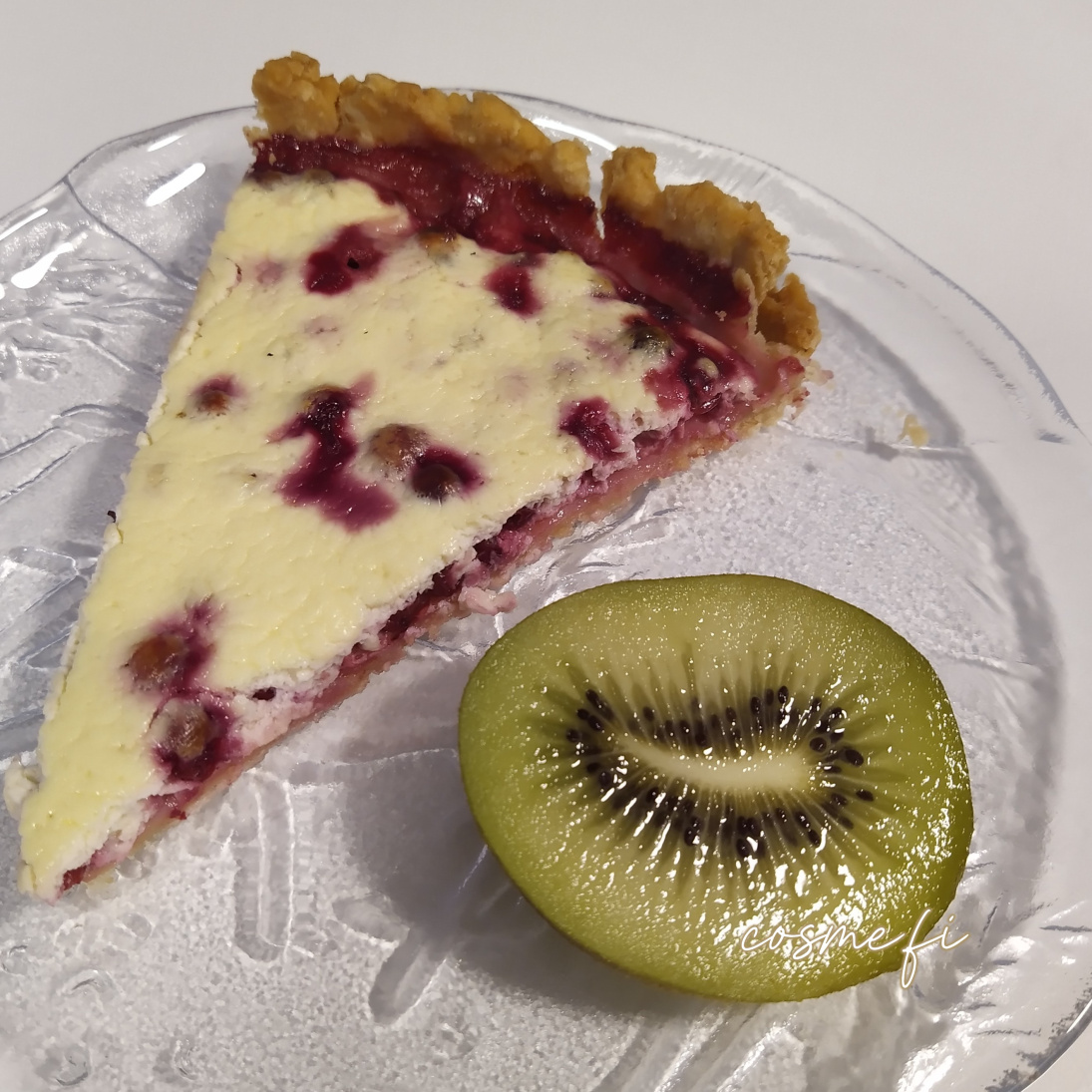
Pie crust:
Wheat flour, potato flour, almond flour, rolled oats, sugar, salt
Rapeseed oil
Egg
Dark rum
Press the mixed dough into a baking pan, add lingonberries (frozen work well) and quark mixed with a couple of eggs, a little sugar, and a splash of dark rum.
Oven 180 degrees Celsius
Lingonberry (Vaccinium vitis-idaea) is a nutrient-rich berry that contains plenty of vitamins, minerals, and antioxidants, with a nutritional value of about 56 kcal per 100 grams.
Vitamins and minerals
Vitamin C: Supports the immune system and acts as an antioxidant.
Vitamin E: Also acts as an antioxidant and protects cells from damage.
Minerals: Lingonberries contain small amounts of potassium, magnesium, and phosphorus, which support heart and bone health.
Antioxidants: Lingonberries are particularly rich in polyphenols, which may reduce inflammation and protect cells from oxidative damage. This can help prevent chronic diseases such as heart disease and diabetes.
Fiber content: High fiber content promotes digestion and gut health.
Low-calorie: Lingonberries are a low-calorie berry, making them an excellent addition to a healthy diet.
Lingonberry (Vaccinium vitis-idaea) is a traditional part of the Finnish diet and is known for its long shelf life, thanks to natural benzoic acid, which acts as a preservative.
Lingonberry and cholesterol
The polyphenols in lingonberries, especially proanthocyanidins, help manage cholesterol levels. They can lower “bad” LDL cholesterol and improve “good” HDL cholesterol levels. This supports heart and vascular health and reduces the risk of atherosclerosis. Regular consumption of lingonberries as part of a balanced diet can be a natural way to manage cholesterol, especially when combined with fiber-rich foods.
Lingonberry side effects
Although lingonberries are a healthy berry, there are some considerations to keep in mind when using them.
Acidity: The high acidity of lingonberries can irritate a sensitive stomach, so if you suffer from stomach issues, use them in moderation.
Uric acid levels: Excessive consumption of lingonberries can raise uric acid levels, so those suffering from gout should be cautious.
A 100 g serving of lingonberries provides 55.8 kcal (233.7 kJ) of energy, with 0.7 g of fat (0.3 g polyunsaturated), 8.9 g of carbohydrates (8.2 g sugars), 0.5 g of protein, 2.6 g of fiber, and 2.2 g of organic acids.
It contains small amounts of vitamins, including 0.8 µg of vitamin A, 0.1 mg of thiamine (B1), 10.7 mg of vitamin C, 1.5 mg of vitamin E, 19.6 µg of folate (B9), and 0.5 mg of niacin (B3).
Minerals include 17 mg phosphorus, 1 µg iodine, 80 mg potassium, 22 mg calcium, 0.1 mg copper, 9 mg magnesium, 2 mg sodium, 0.4 mg iron, 0.1 µg selenium, and 0.2 mg zinc.
Nutrient targets range from 0% to 19% of daily needs, with vitamin E being the highest contributor.