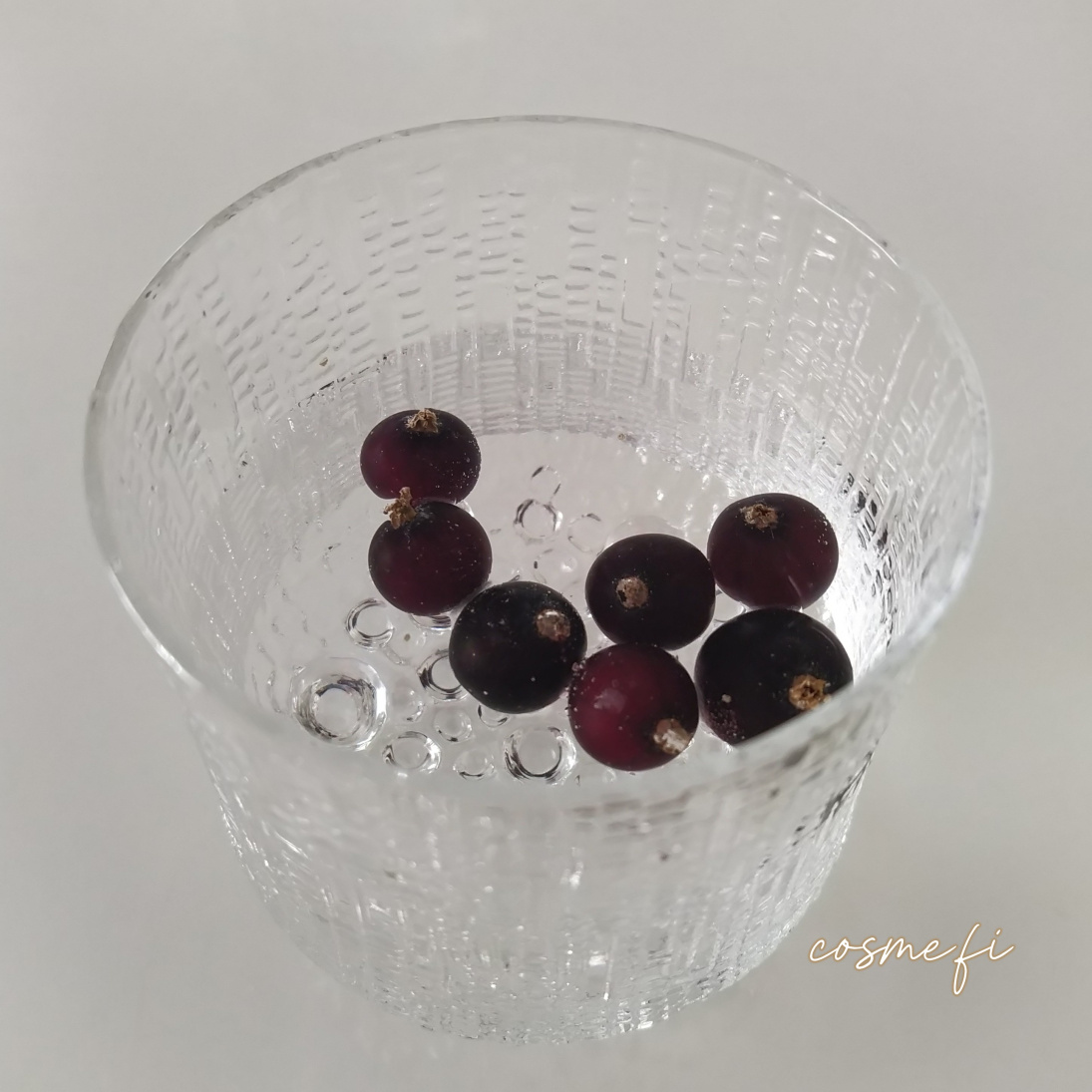
Crunchy snacks support oral health.
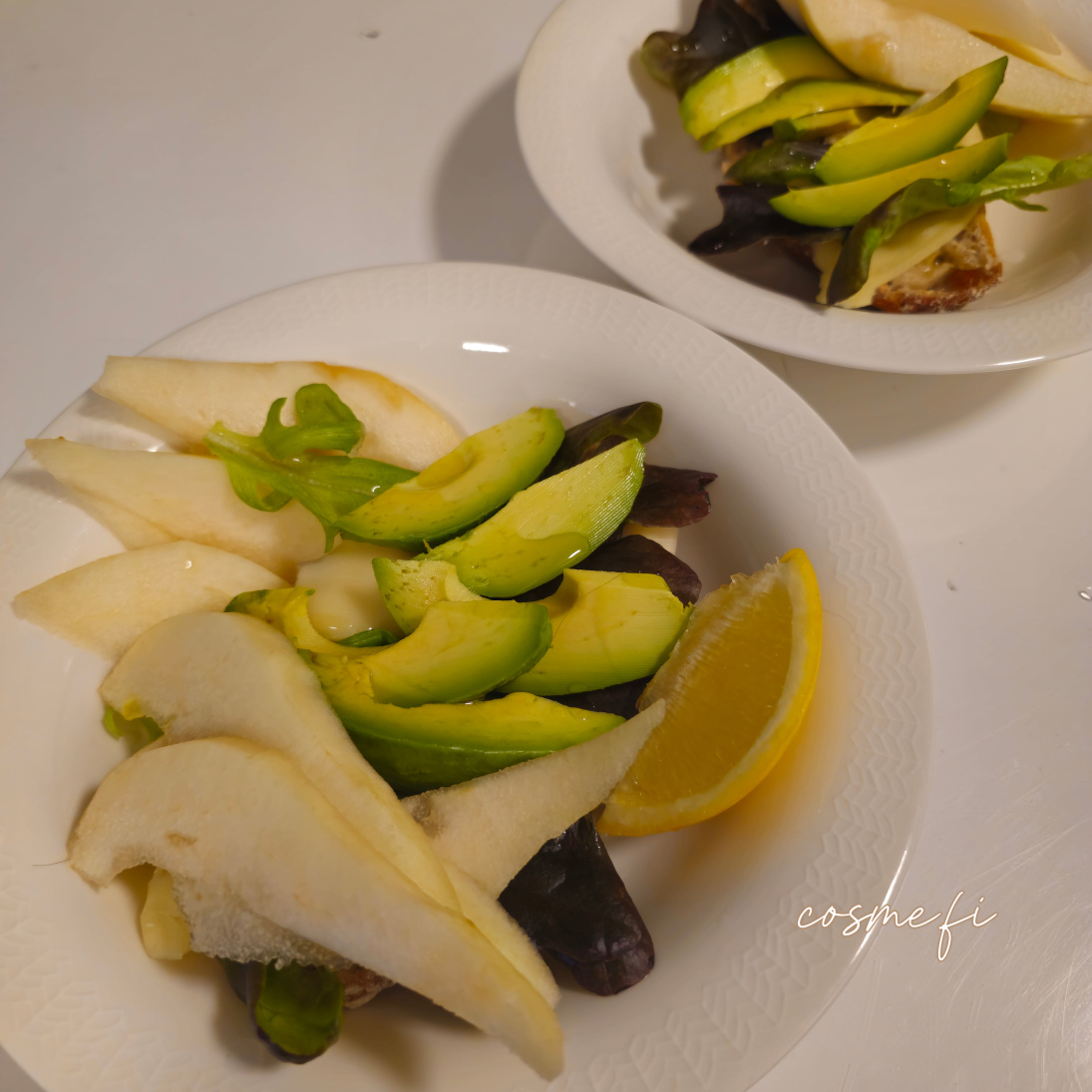
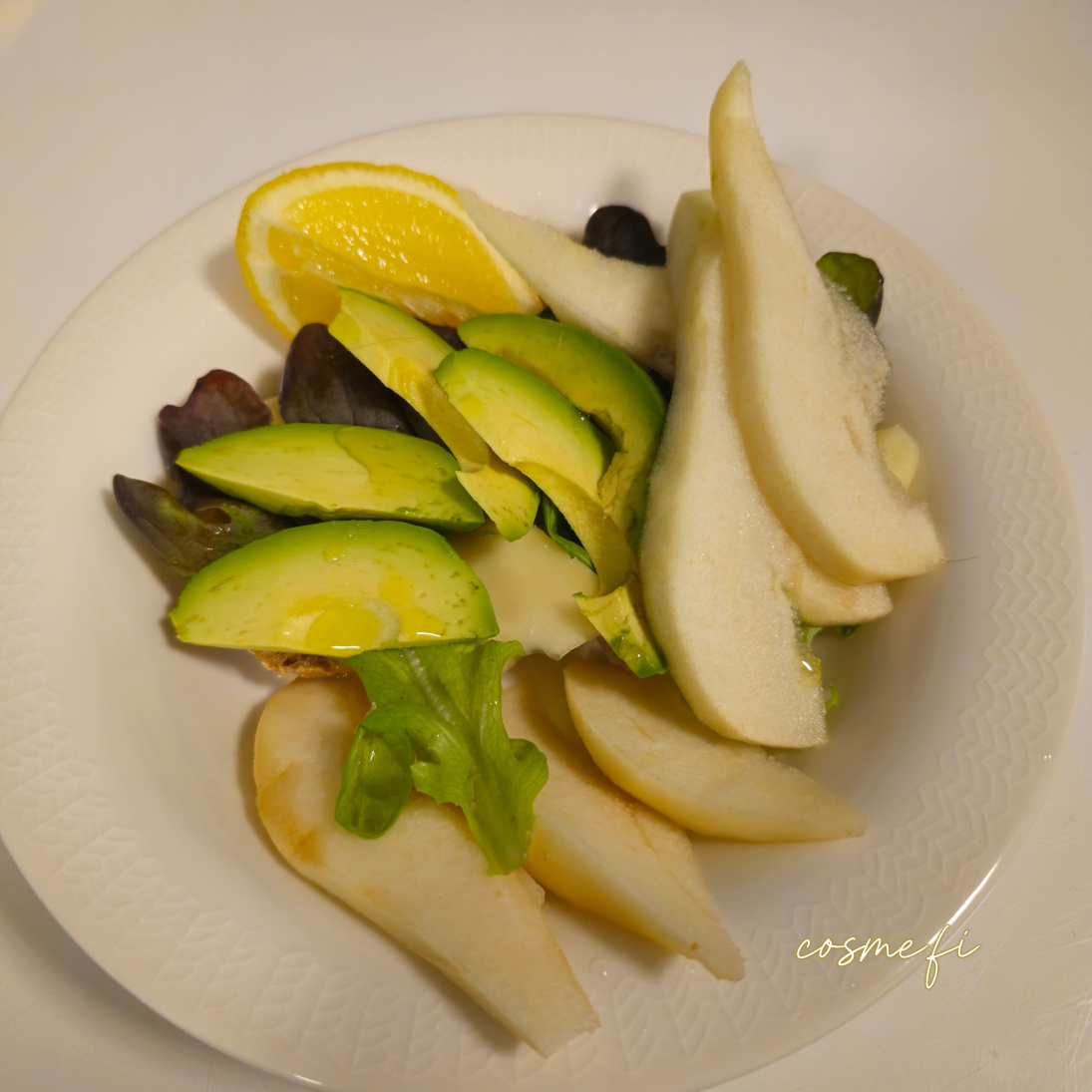
The portion also shows the amount and content of the food.
Fresh water crowns the portion.
SiriSiri: "I always put a teaspoon of cold-pressed olive oil on my bread. There are differences in olive oils; you can taste them like wines - green, strong, soft.
For an everyday bread portion, low-fat cheese or a plant oil-based product with plenty of vegetable toppings is a tasty choice."
Daily use of oats helps lower cholesterol, balances digestion and is a significant source of fiber.
Oats in any form contain a lot of protein, unsaturated fat and B vitamins. It has the highest content of vitamins and minerals among cereals. Its properties that are good for the skin are well known, as are its properties that balance the intestines.
- Contains B vitamins: vitamins B1 and B2 - brain and nerve function
- Excellent source of vitamins B, A, E and D
- Calcium prevents osteoporosis, helps prevent mineral loss
- Iron helps transport oxygen to tissues
- Zinc is an important factor in the action of insulin
- Oat meal is highly recommended for diabetics, as its soluble fibers balance blood sugar.
- Oats contain slowly absorbed carbohydrates, which allow for a longer feeling of satiety and better blood sugar balance.
- Weight management
- Helps lower blood pressure
- Oats, for example, have a relatively high protein content compared to meat, milk and eggs.
The body uses the protein in oats to build muscle, and protein is also essential for maintaining muscle mass.
- Helps lower cholesterol:
Daily consumption of whole grain oats is a good way to lower triglycerides and bad cholesterol in the blood. Thanks to the linoleic acid and fiber they contain, oats help prevent cholesterol from being absorbed through the intestines. At the same time, the fiber also cleans the fatty deposits that accumulate on the walls of the arteries. All this protects the body from developing high blood pressure, heart attacks and other heart problems.
The oat husk contains five of the eight essential amino acids: isoleucine, leucine, lysine, methionine and phenylalanine.
These help reduce bad cholesterol (LDL) and stimulate the liver to produce more lecithin, which helps cleanse heavy metals from the body.
- Oats, which are rich in digestible fiber, aid digestion and balance the digestive tract.
Oats are high in fiber, especially in the form of bran, which helps balance the digestive tract and reduce cholesterol.
The beta-glucan in oats binds cholesterol and bile acids from the intestines.
- Oats, like other grains, are high in phytochemicals, or plant-based chemicals, that prevent the development of cancer. The phytoestrogen and lignan in oats have been linked to a reduced risk of hormones linked to breast cancer.
- Helps regenerate tissues: Eating protein promotes the creation and development of new tissue in the body.
- Good for the skin: Oats also have beneficial properties for the skin - cleansing effect - oil moisturizing
- Good for the thyroid: Eating oats helps prevent hypothyroidism because oats contain iodine, a trace element that the thyroid gland needs to function properly.
Avocados are rich in good fats that support heart and circulatory health.
Avocados are also a good source of folate. If you get the recommended amount of folate, it reduces the risk of cardiovascular disease.
Avocados also contain potassium, magnesium and manganese.
Fiber increases the feeling of satiety, reduces cholesterol and bad LDL cholesterol in the blood, and also lowers blood pressure.
The probiotics, antioxidants and healthy fatty acids contained in the anti-inflammatory diet, which has received a lot of attention in recent years, have been shown to relieve pain and irritable bowel syndrome and reduce the risk of cardiovascular disease.
Avocados are rich in monounsaturated fatty acids, so if you want to eat in a way that reduces inflammation, make avocado a part of your diet.
Health benefits of pears:
- Weight management: Low in calories and high in fiber, helping to keep you feeling fuller for longer
- Digestion: Fiber supports bowel function and prevents constipation
- Heart health: Potassium helps regulate blood pressure and vitamin C supports blood vessel health
- Immune system: Vitamins C and E strengthen the immune system
- Antioxidants: Helps fight cell damage and slows down aging
Pears are great as a snack, added to smoothies, or even roasted in the oven. Their mild sweetness also makes them a kid-friendly option.
Oats 100 g:
Nutrient Goal
Energy kcal 360.0 kcal 18 %
Energy kJ 1,506.8 kJ
Fat 3.5 g 5 %
Saturated 0.7 g 3 %
Carbohydrate 65.0 g 27 %
Sugar 2.9 g 6 %
Protein 13.0 g 13 %
Fiber 6.0 g 24 %
Mineral or trace element Goal
Iron (Fe) 2.5 mg 17 %