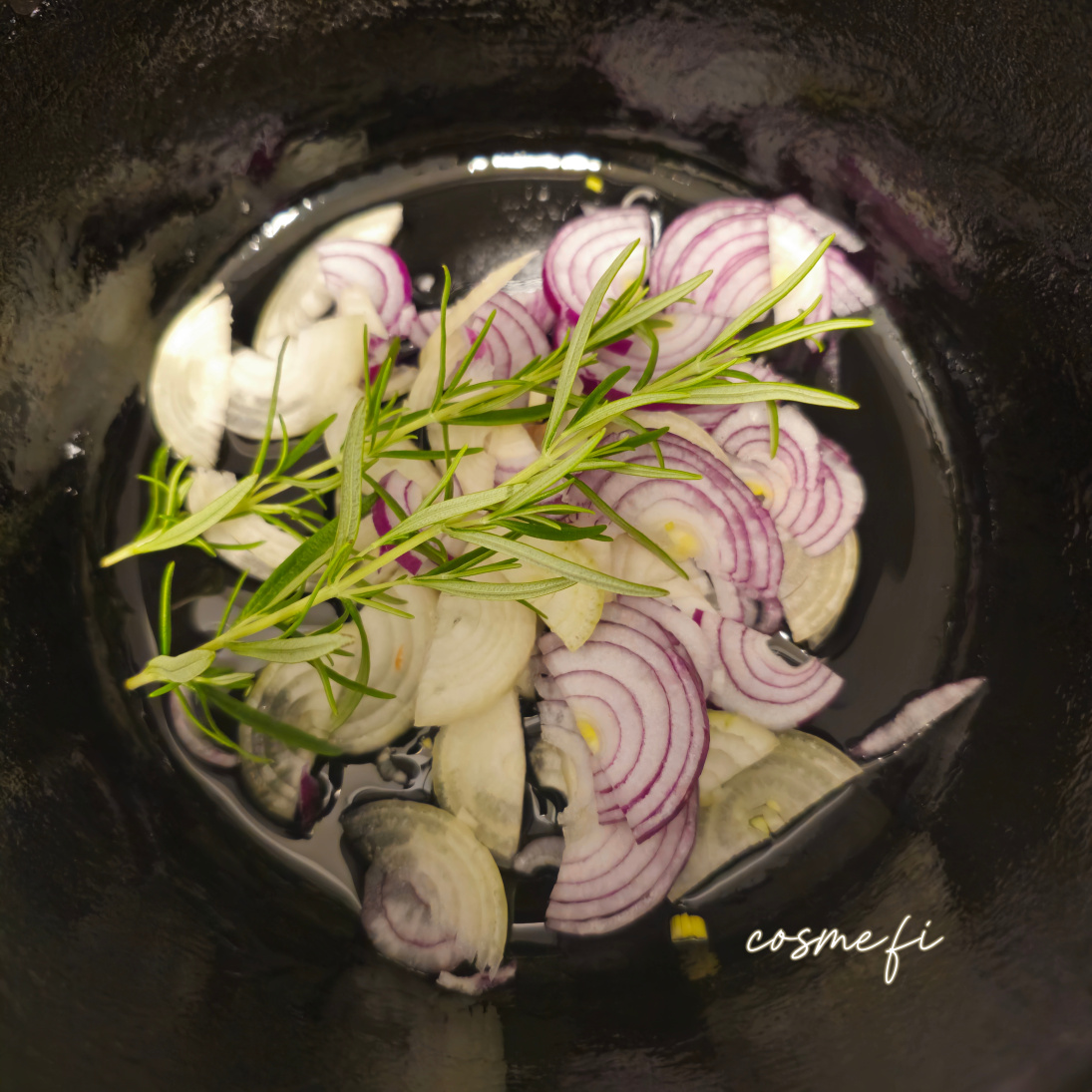
Cabbage stew ingredients: Rapeseed oil, yellow onion, red onion, rosemary, black pepper, cabbage, dark syrup, minced meat, black pepper, salt, carrot, parsnip, chili, water
Cabbage stew
Main Page > Home Kitchen SiriSiri > Meat
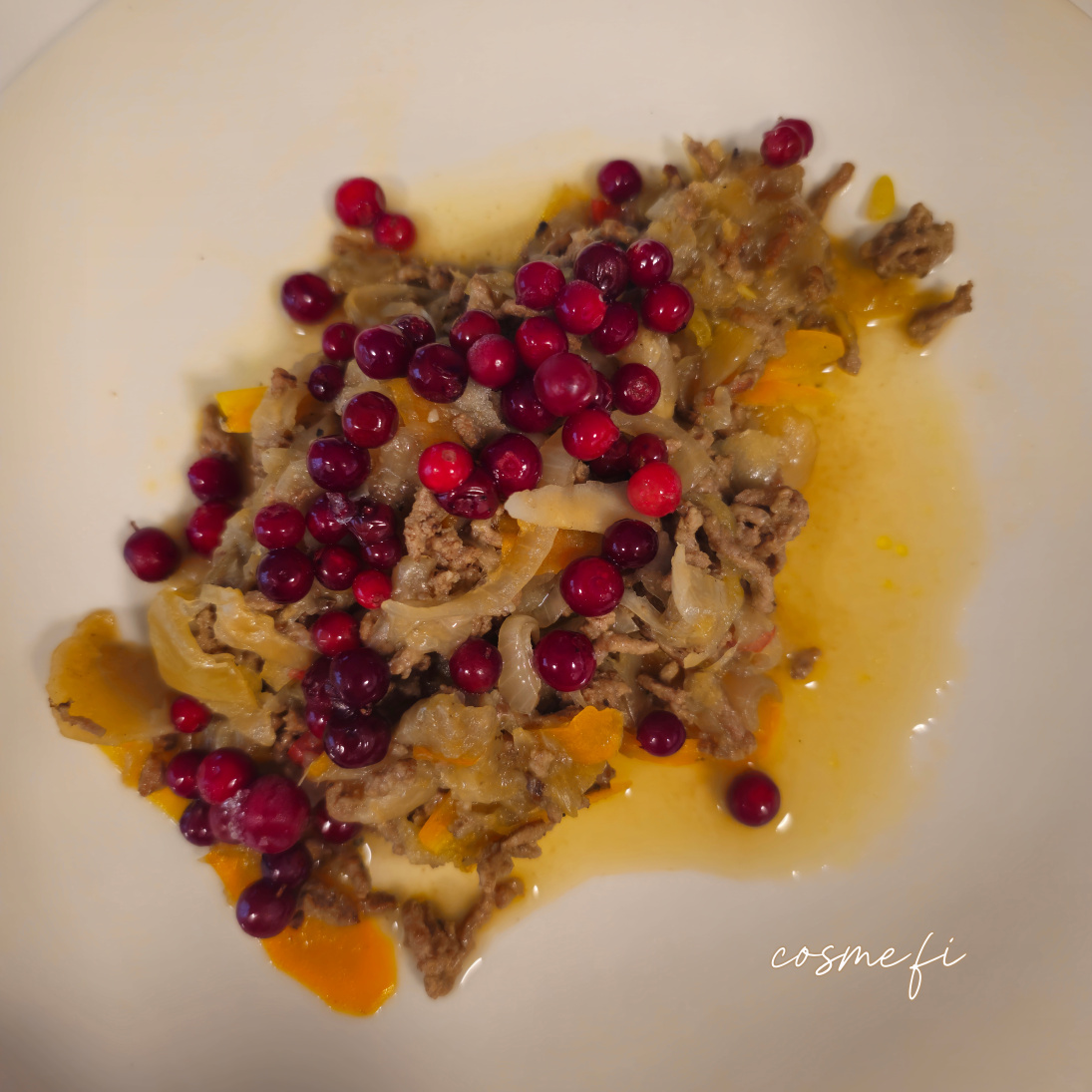
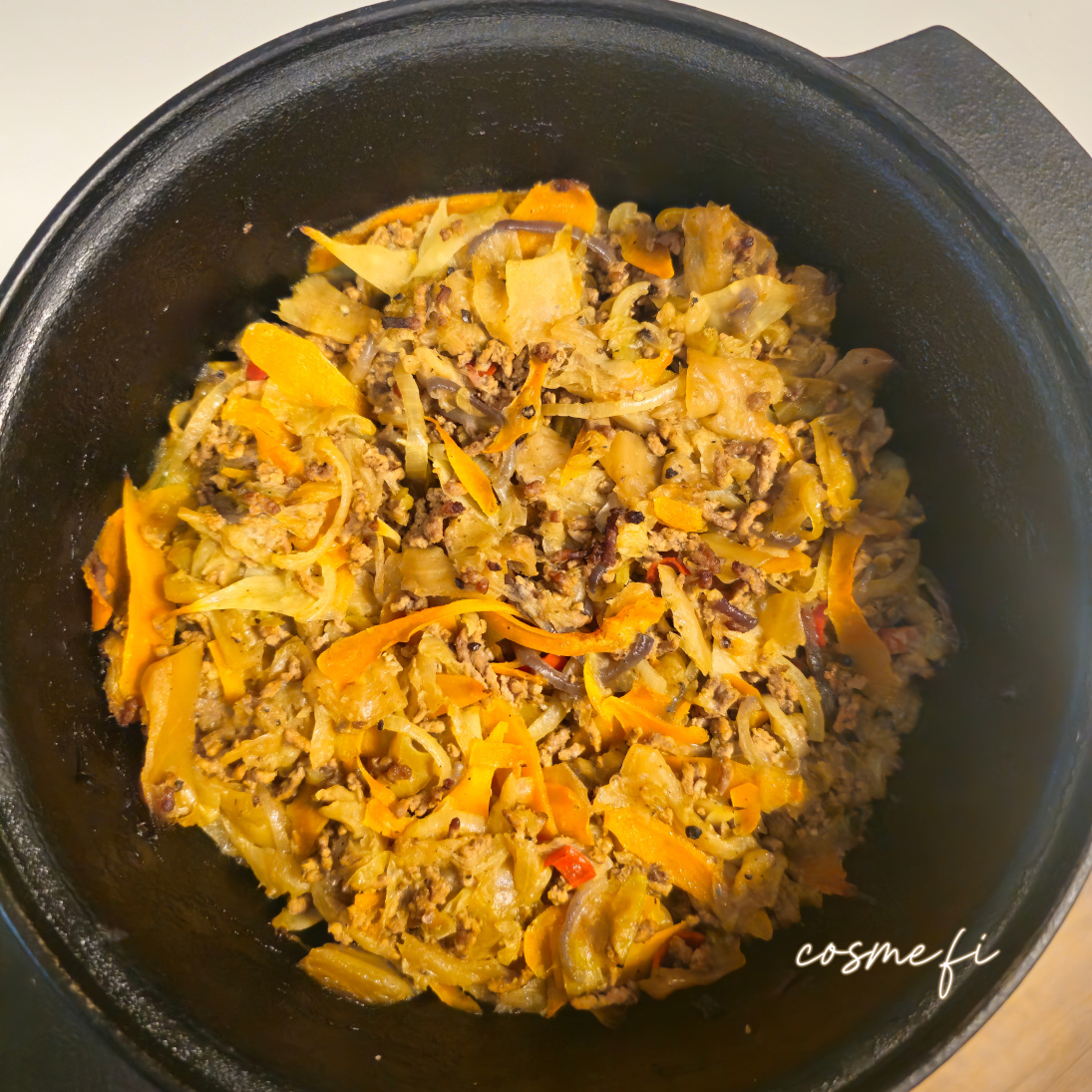
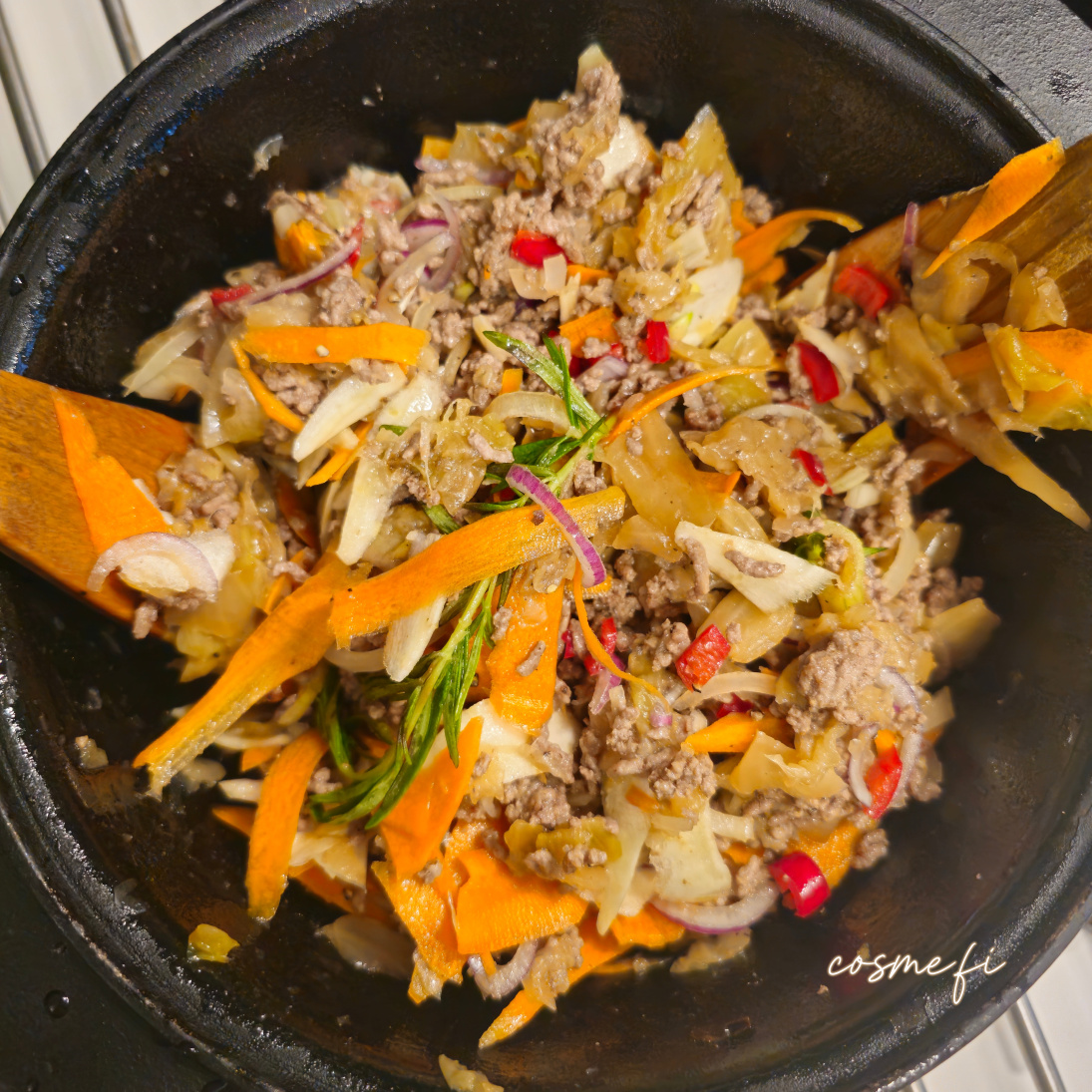
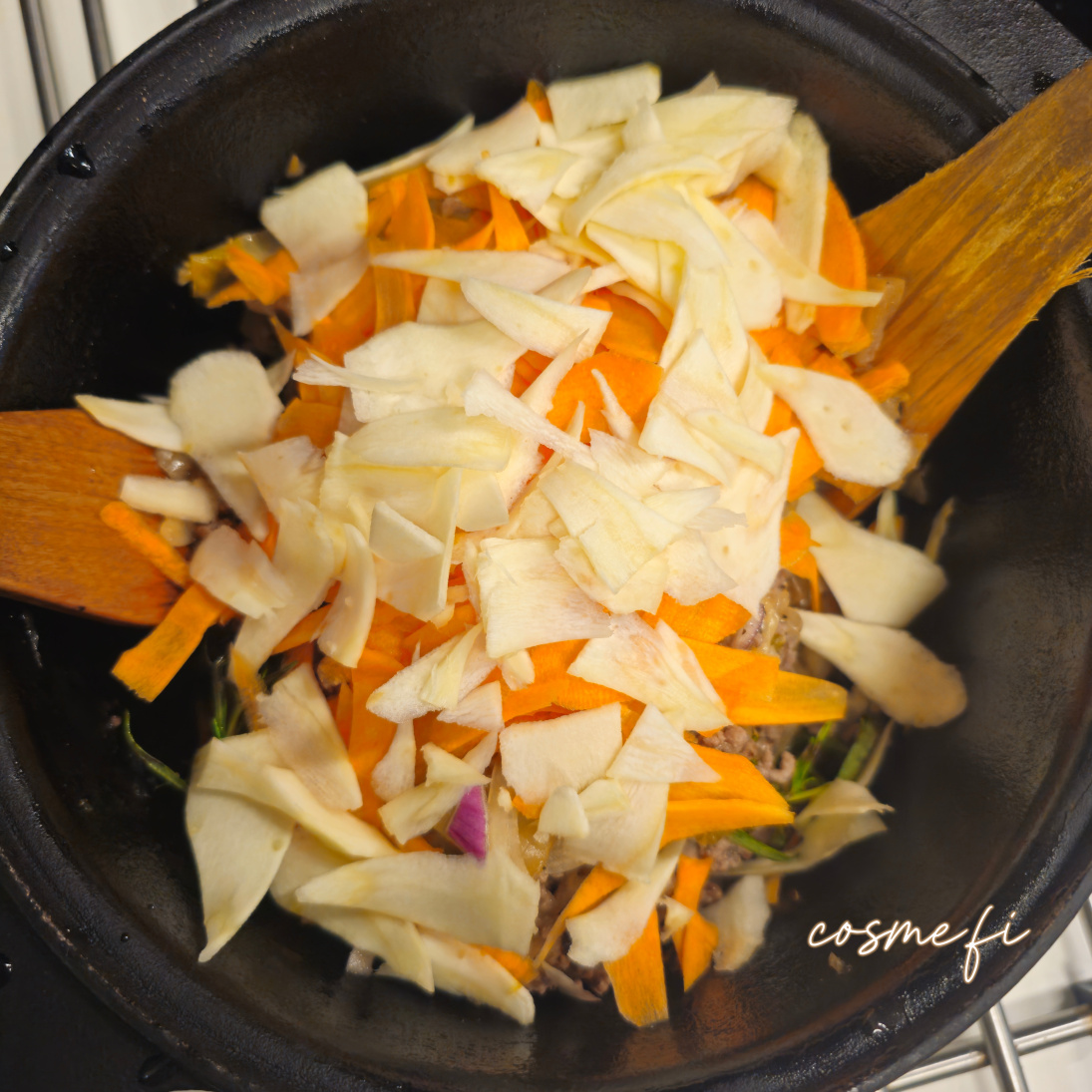
Cabbage stew.
It is worth choosing vegetables that contain the most vitamins and minerals.
Cabbage is the clear winner.
Kale, broccoli, cauliflower, brussels sprouts and Brussels sprouts all contain a lot of nutrients that are beneficial to health, including folate, potassium, vitamin K and beta-carotene.
Cabbage also beats cucumber and iceberg lettuce, which are often used in everyday meals, in terms of fiber content. Many cabbages are also real vitamin C bombs and even surpass citrus fruits.
Cabbage:
- Cabbage contains more fiber than vegetables on average. This is beneficial for blood cholesterol and digestion, among other things. Fiber also helps keep you feeling fuller for longer.
- Cabbage has fewer calories than, for example, many root vegetables.
- On the other hand, cabbage is rich in vitamin C, more than in many vegetables and in some cabbages even about the same amount or more than in oranges and kiwis, which are considered vitamin C bombs.
- Cabbage also contains a lot of antioxidants that protect cells.
- Nutrition for good bacteria in the gut:
In the gut, dietary fiber and healthy plant-based compounds help lower cholesterol and also feed the good bacteria in the gut.
In other words, cabbage acts as prebiotics, or food for healthy bacteria in the gut, and helps maintain a healthy gut flora.
- Protects cells:
The antioxidants and phytochemicals contained in cabbage protect the body's cells from oxidation, which is exposed to both internal and external factors, such as stress and air pollution.
Oxidation causes damage to DNA and cell structures and also makes, for example, harmful LDL cholesterol particularly harmful.
With its many beneficial substances, cabbage helps to fight oxidation and thus helps to protect the body from the inside.
- Fights inflammation:
Cabbage helps fight low-grade inflammation thanks to its antioxidants, fiber, and compounds like glucosinolates.
Glucosinolates are sulfur-containing compounds found in cruciferous vegetables. When cabbage is chewed or cooked, glucosinolates are converted into bioactive compounds like sulforaphane and indole-3-carbinol, which have anti-inflammatory effects.
White cabbage, head cabbage 100 g:
Nutrient Target
Energy kcal 31.4 kcal 2 %
Energy kJ 131.3 kJ
Fat 0.1 g 0 %
Saturated 0.0 g 0 %
Monounsaturated 0.0 g 0 %
Polyunsaturated 0.1 g 0 %
Carbohydrate 5.0 g 2 %
Sugar 4.8 g 10 %
Protein 1.2 g 1 %
Salt 0.0 g 0 %
Fiber 2.5 g 10 %
Organic acids 0.2 g
Vitamin Target
Vitamin A (RAE) 5.5 µg 1 %
Thiamine (B1) 0.1 mg 6 %
Riboflavin (B2) 0.1 mg 4 %
Vitamin B6 0.2 mg 13 %
Vitamin B12 0.0 µg 0%
Vitamin C 36.8 mg 49%
Vitamin D 0.0 µg 0%
Vitamin E 0.0 mg 1%
Folate (Vitamin B9) 29.9 µg 10%
Niacin (Vitamin B3) 0.4 mg 3%
Mineral or Trace Element Target
Phosphorus (P) 27.0 mg 5%
Iodine (I) 1.0 µg 1%
Potassium (K) 240.0 mg 8%
Calcium (Ca) 38.0 mg 5%
Copper (Cu) 0.0 mg 1%
Magnesium (Mg) 10.0 mg 4%
Sodium (Na) 5.2 mg
Iron (Fe) 0.2 mg 1%
Selenium (Se) 10.0 µg 20%
Zinc (Zn) 0.1 mg 2%

