Carrots contain beta-carotene
The orange color of carrots also reveals their top advantage compared to other vegetables: the color comes from beta-carotene, which the body can convert into vitamin A. Fat-soluble vitamin A, which is absorbed from the intestines and stored in fat tissue and the liver, positively affects vision, fertility, immune defense, and mucous membranes. Vitamin A also gives a healthy color, promotes skin wellbeing, and may help strengthen the skin's natural protection against the sun's UV rays.
Carrots contain fiber
Carrots are rich in fiber – 100 grams provide a nice 2.5 grams. Fiber is not significantly digested in the gut but adds bulk and accelerates the movement of material through the intestines, thus helping to promote bowel function and prevent constipation, for example. Consuming plenty of fiber also helps you feel full. Fiber is, of course, abundant in many other vegetables as well, but the advantage of carrots as a source of fiber is especially their versatility – people enjoy munching on carrots prepared in many different ways.
Raw carrots – effects on the body
- Rich in fiber:
Promotes intestinal function, prevents constipation and feeds good bacteria.
Contains both soluble and insoluble fiber.
- Beta-carotene (precursor to vitamin A):
Supports vision, skin health and the immune system.
Raw carrots are rich in beta-carotene, but their absorption is weaker without fat.
- Vitamin C and folate:
Support immunity and cell renewal.
Sensitive to heat – best preserved raw.
- Antioxidants:
Protect cells from oxidative stress and can prevent heart disease.
- Good for the intestines and stomach:
Raw carrots protect and renew the intestinal mucosa, helping with heartburn and stomach ulcers, among other things.
Cooked carrots – effects on the body
- Beta-carotene absorption improves:
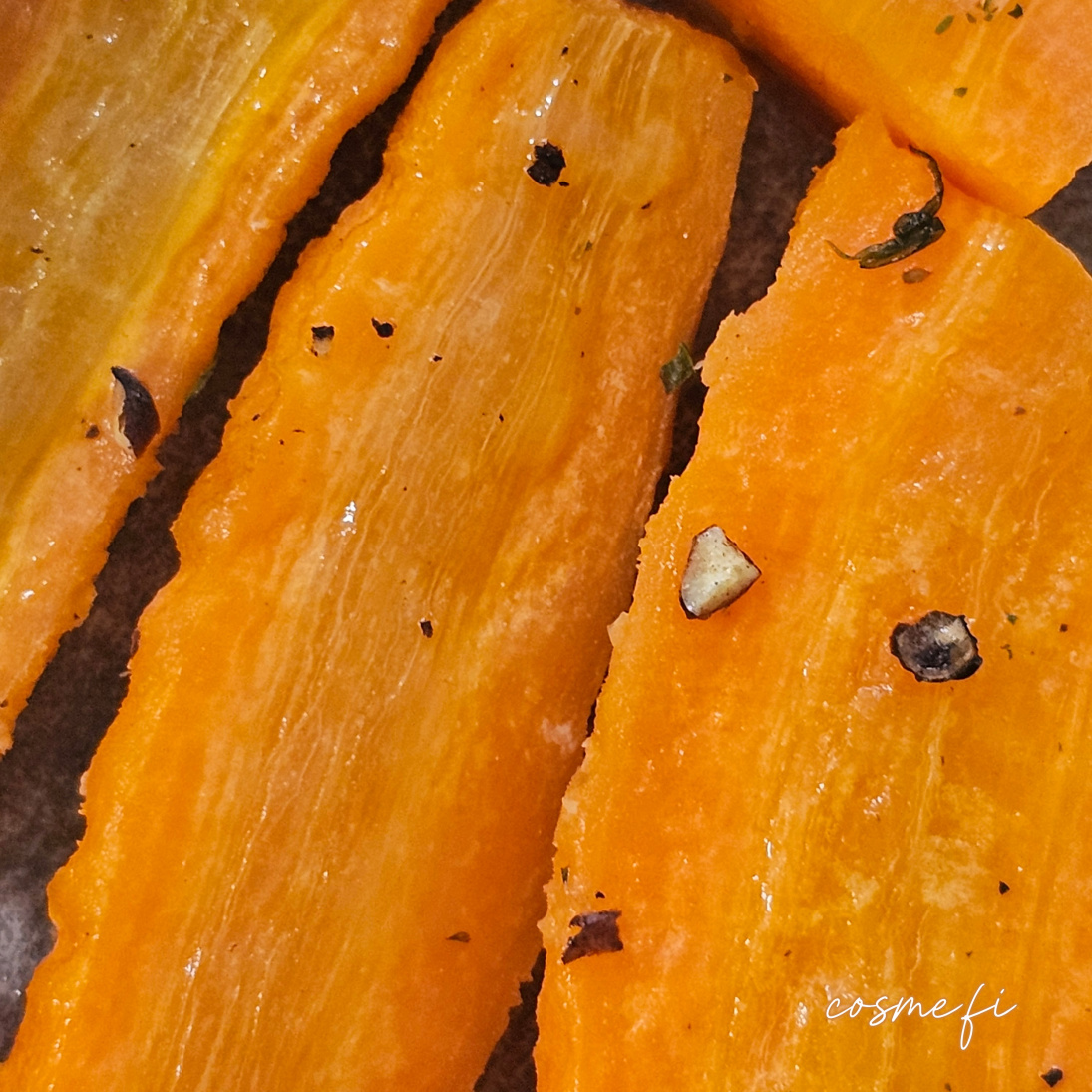
Cooking breaks down cell walls, making beta-carotene more efficiently absorbed – especially with fat.
- Vitamin C and folate decrease:
Water-soluble vitamins are partially destroyed when cooked or steamed.
The loss is not great, because carrots do not contain a huge amount of these to begin with.
- Minerals are well preserved:
Potassium, magnesium and other minerals withstand heating.
- Milder on the stomach:
Ripe carrots are suitable for sensitive stomachs, as they are easier to digest and can soften intestinal mucus.
- Sweetness is emphasized:
Cooking brings out the natural sugars in the carrot, which makes it pleasant for children too.
The best way? Combine both!
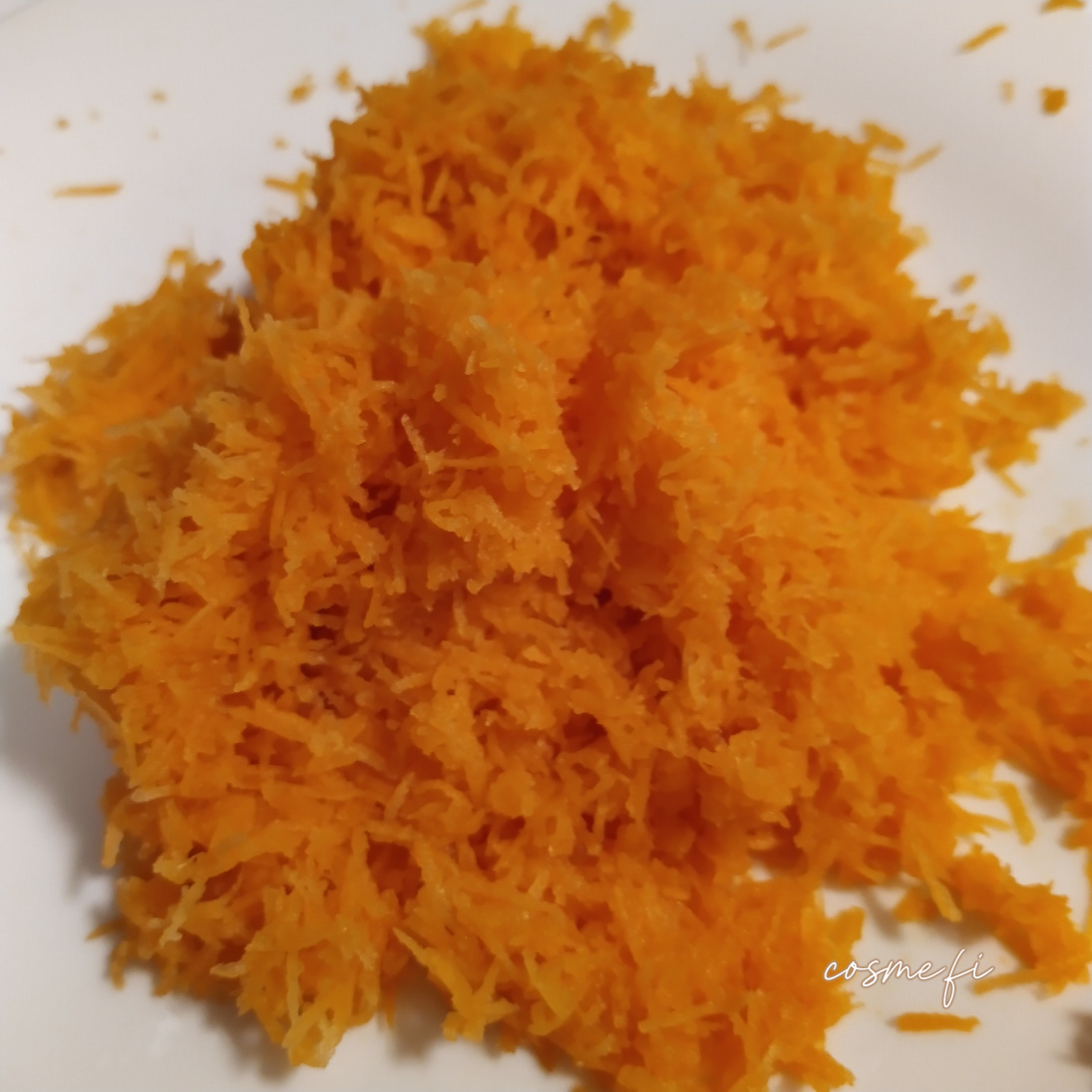
Grate into a salad, cook into a soup – this is how you get the most out of carrots.
For health benefits, it's best to eat carrots cooked.
– When carrots are chopped or pureed, they release carotenoids better for the body to use.
Näringsvärde för morot per 100 gram
Energi 33 kcal (137 kJ)
Kolhydrater 5,6 g
Fett 0,2 g
Protein 0,6 g
Sockerarter 5,4 g
Kalcium 29 mg
Järn 0,5 mg
Kalium 390 mg
Fibrer 2,5 g
Vitamin A 774,1 µg
Karotenoider (µg) 11326,1 ...