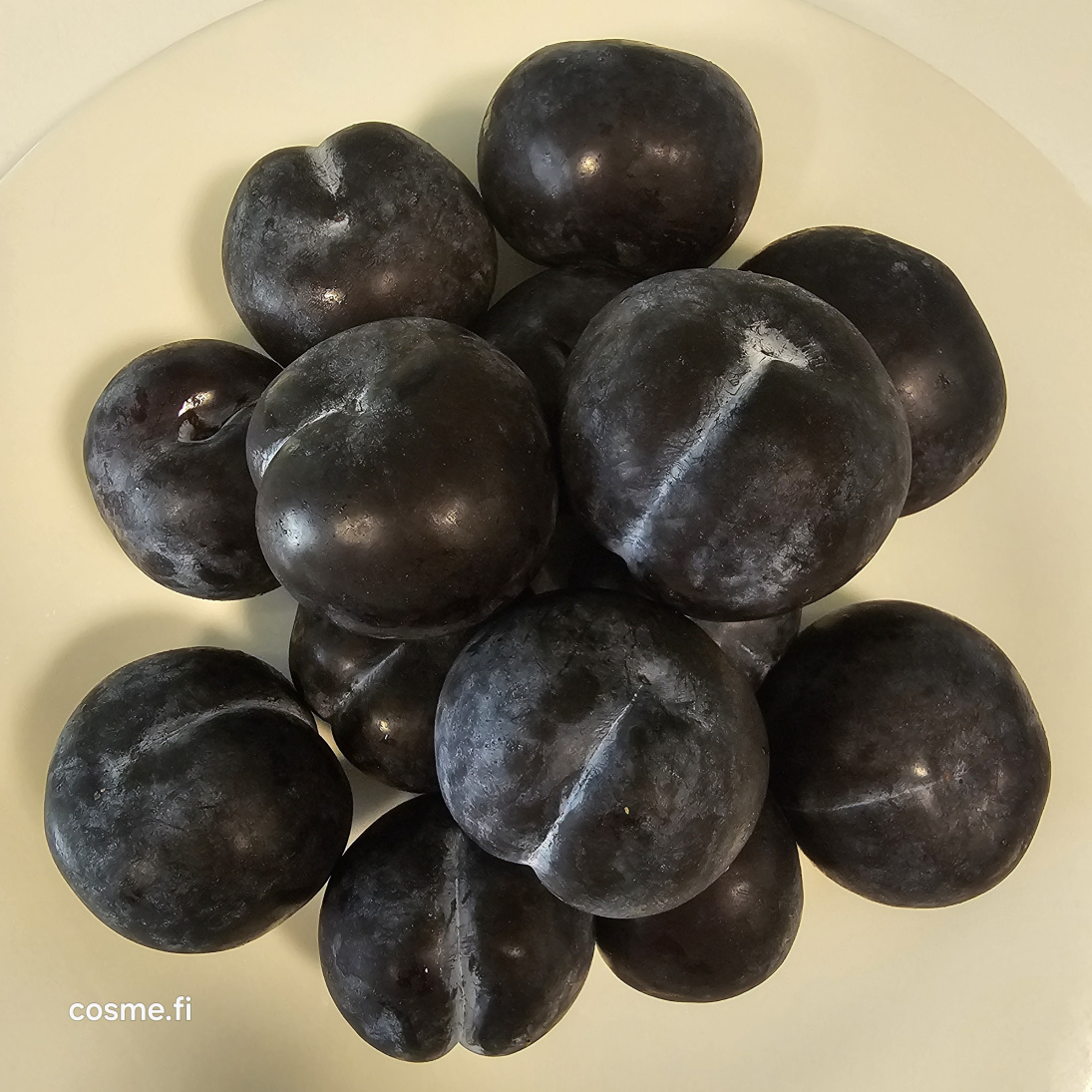
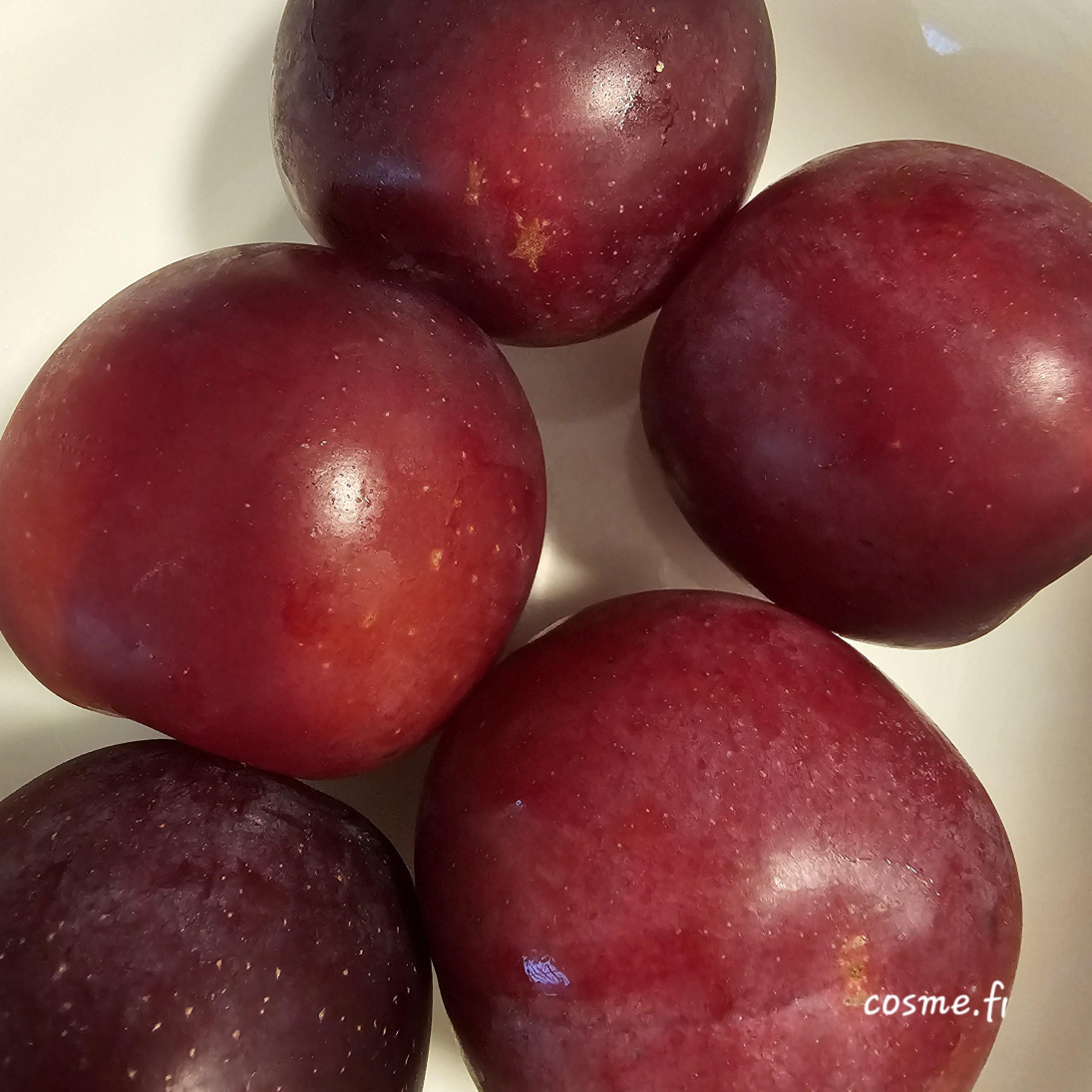
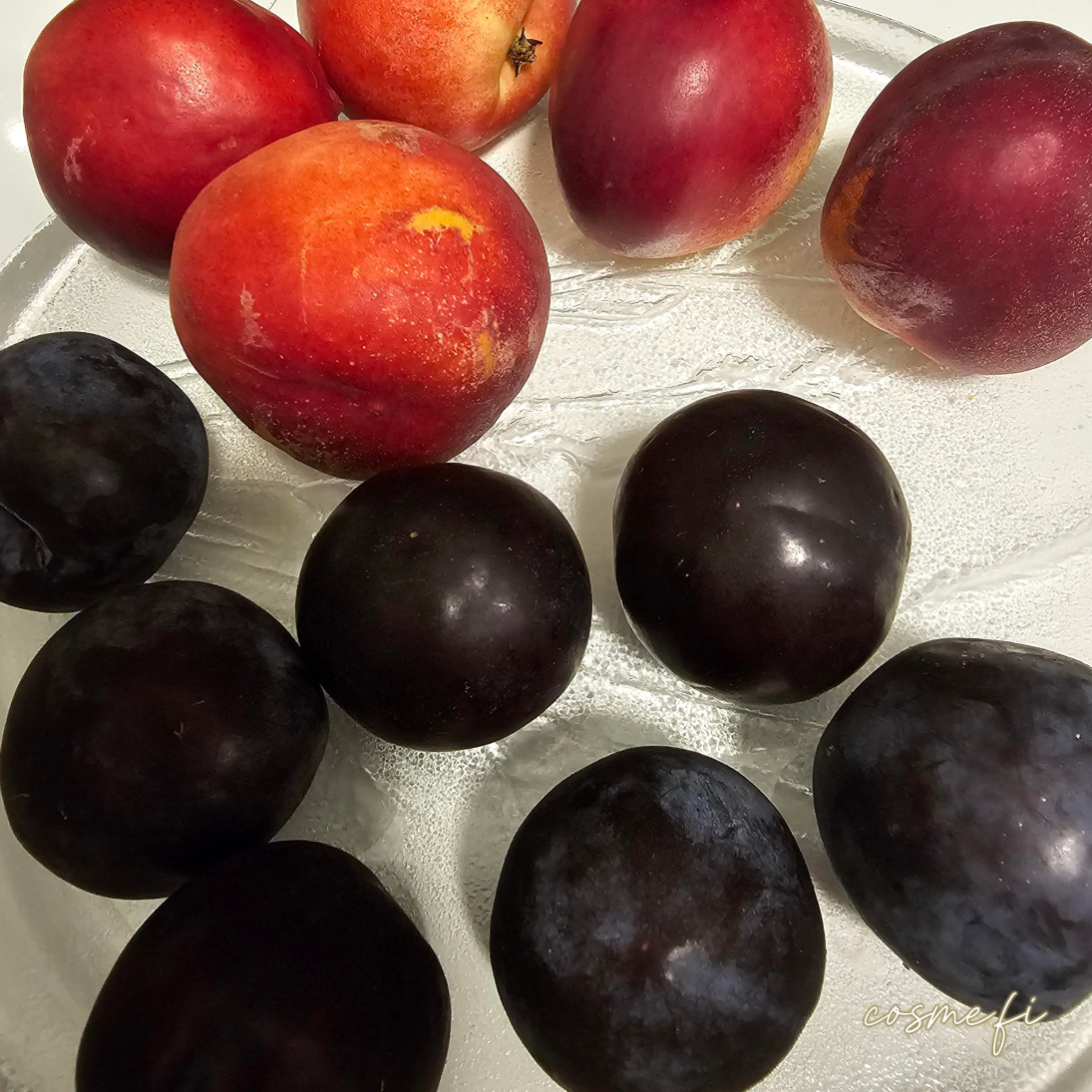
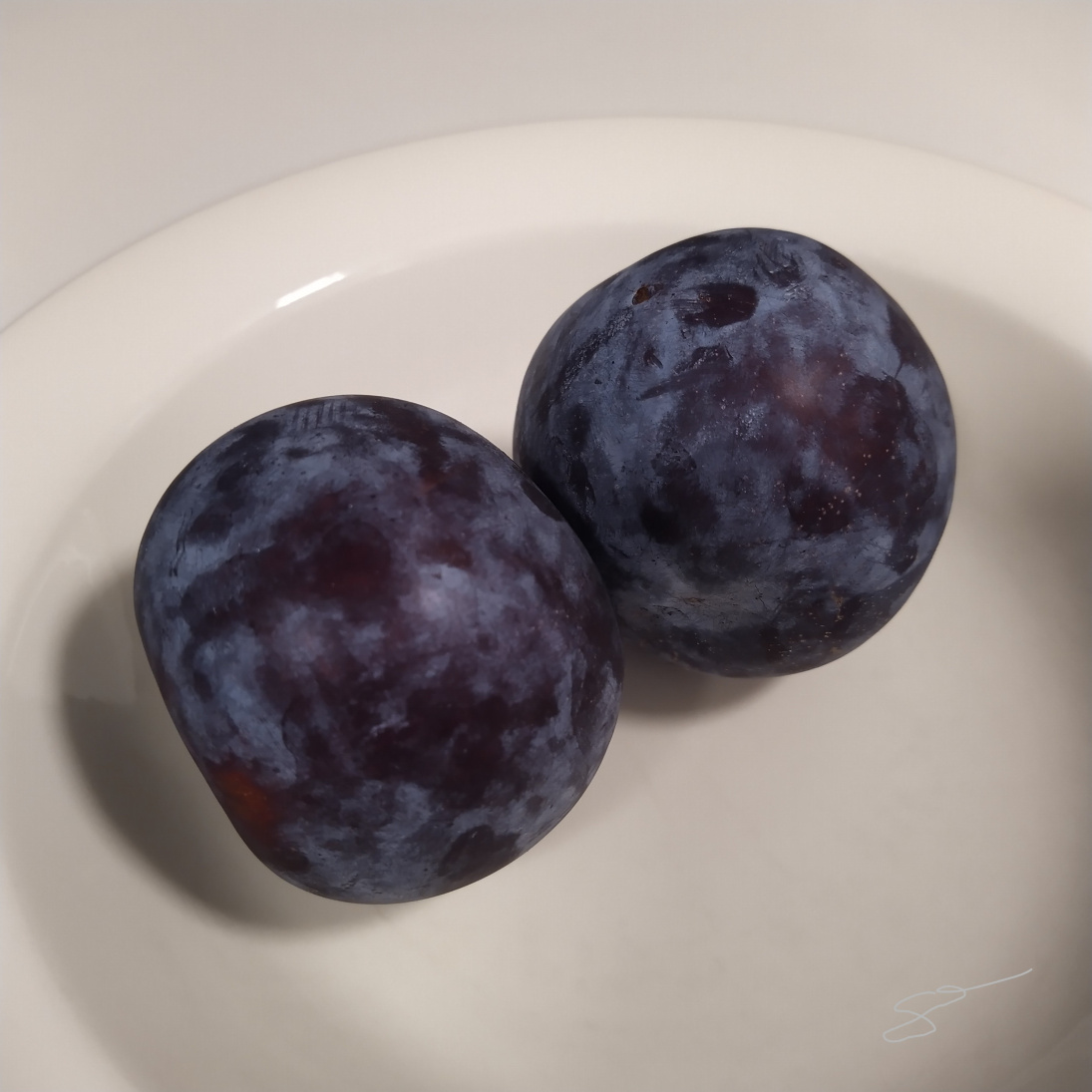
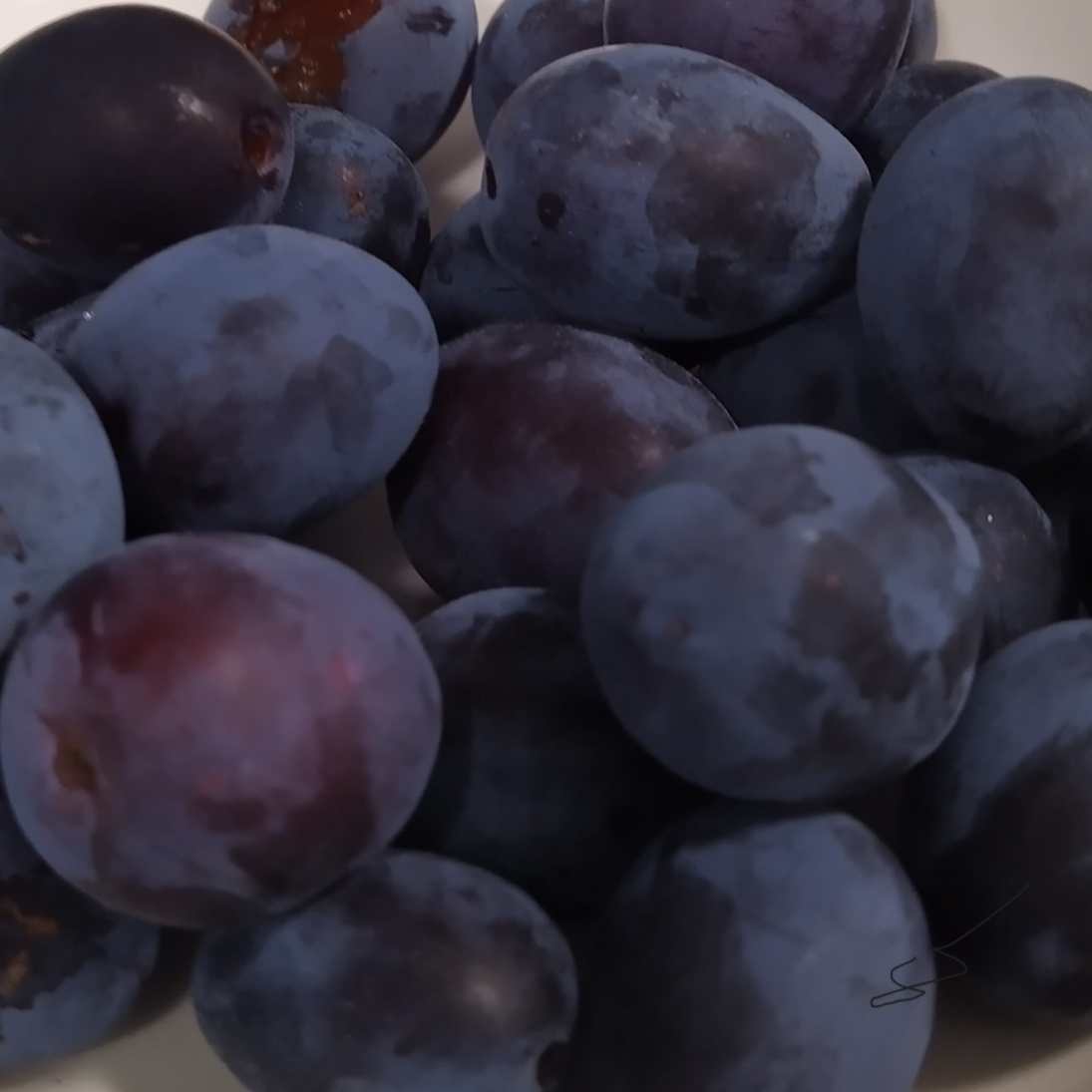
Plums, especially the domestic variety Prunus domestica 'Sinikka', are not only delicious but also full of health benefits.
Health benefits of plums
- Digestion: Plums are rich in dietary fiber, which promotes bowel function and prevents constipation. Dried plums (prunes) in particular are known for their laxative properties.
- Blood sugar control: The low glycemic index of plums means that they raise blood sugar slowly. The fiber also helps balance blood sugar levels, making plums a good option for diabetics.
- Heart health: Plums contain potassium, which relaxes blood vessels and improves blood circulation. This can help lower blood pressure and reduce the risk of heart disease.
- Cholesterol: Plums help reduce the accumulation of harmful cholesterol and cleanse blood vessels of toxins.
- Bone and joint health: The anti-inflammatory properties of plums can support bone health and relieve symptoms of osteoarthritis.
- Skin care: Plum paste can be used externally to promote wound healing and soften the skin. Plums also have antibacterial and antioxidant properties.
What about the 'Sinikka' variety?
'Sinikka' is a Finnish, cold-resistant plum variety that produces small, blue and sweet fruits. Although the health benefits are largely the same as other plums, 'Sinikka' is especially valuable in the home garden - it thrives in Finnish conditions and provides locally produced nutrition.
Health benefits of the dark color
The deep blue-violet color of the Sinikka plum is not only aesthetic - it indicates a high content of anthocyanins, which are antioxidants belonging to the flavonoid group. Such compounds are also found in dark grapes, blueberries and chokeberries.
What are the benefits of anthocyanins?
- Antioxidant effect: Protects cells from oxidative stress and prevents inflammation.
- Heart health: May improve blood circulation and reduce blood vessel stiffness.
- Brain health: Studies suggest that anthocyanins may support memory and cognitive function.
- Cancer risk reduction: Antioxidants may help prevent cell mutations.
- Blood sugar control: Dark polyphenols may improve insulin sensitivity.
So the blueberry is much more than just a garden ornament – it’s a nutritious, antioxidant-rich, and versatile part of a healthy diet.

