Avocado contains plenty of healthy fats, which promote the functioning of the heart and circulatory system.
Avocado is also a good source of folate. Getting the recommended amount of folate reduces the risk of cardiovascular diseases.
Avocado also contains potassium, magnesium, and manganese.
Fiber increases the feeling of fullness, reduces cholesterol and bad LDL cholesterol levels in the blood, and also lowers blood pressure.
In recent years, it has been shown that probiotics, antioxidants, and healthy fatty acids found in anti-inflammatory diets, which have received a lot of attention, can alleviate pain and irritable bowel syndrome and reduce the risk of cardiovascular diseases.
Avocado contains a lot of monounsaturated fatty acids, so if you want to eat in an anti-inflammatory way, be sure to include avocado in your diet.
Avocado contains a lot of good fat, which promotes the functioning of the heart and circulatory system.
Soft fats are unsaturated fats that support the well-being of the intestinal mucosa.
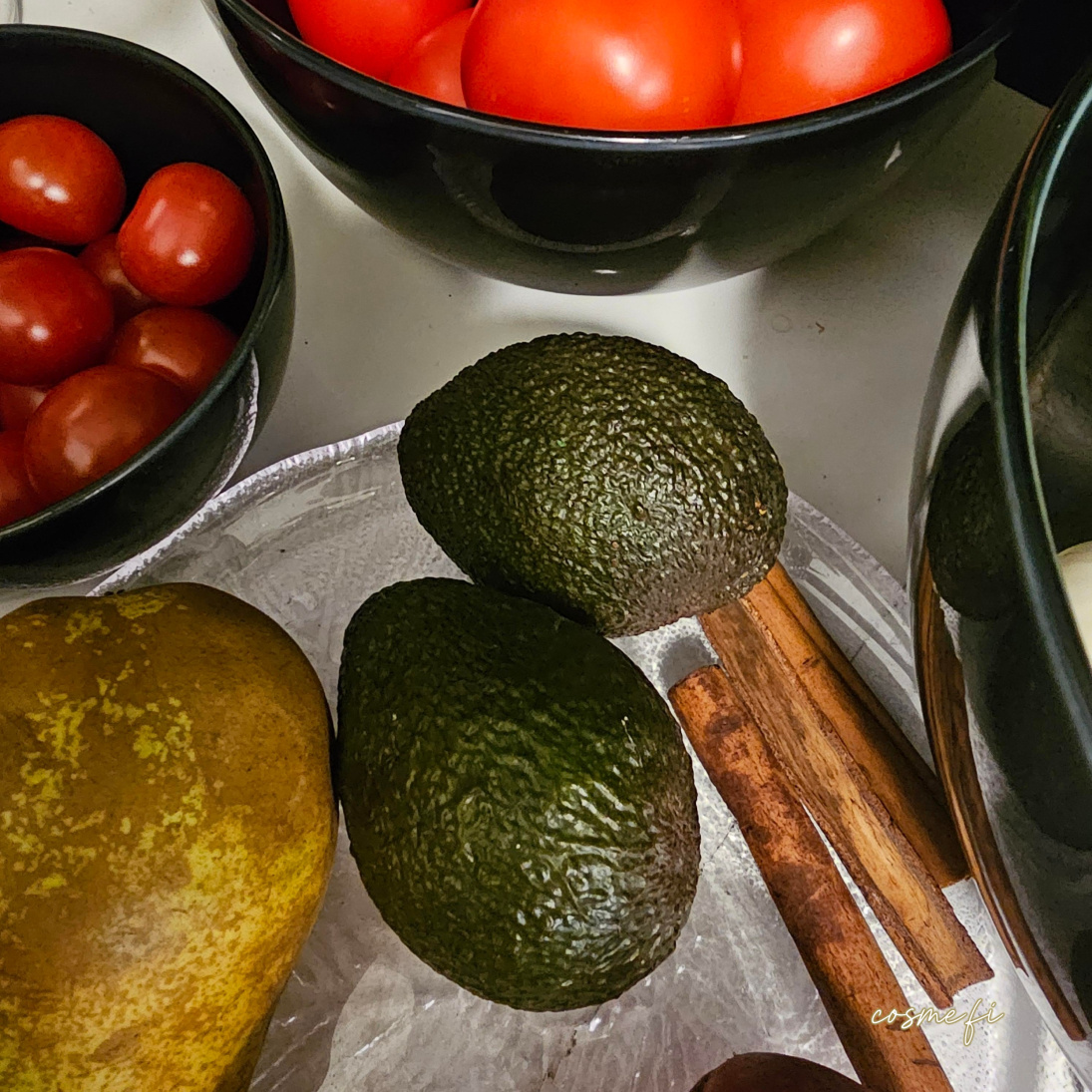
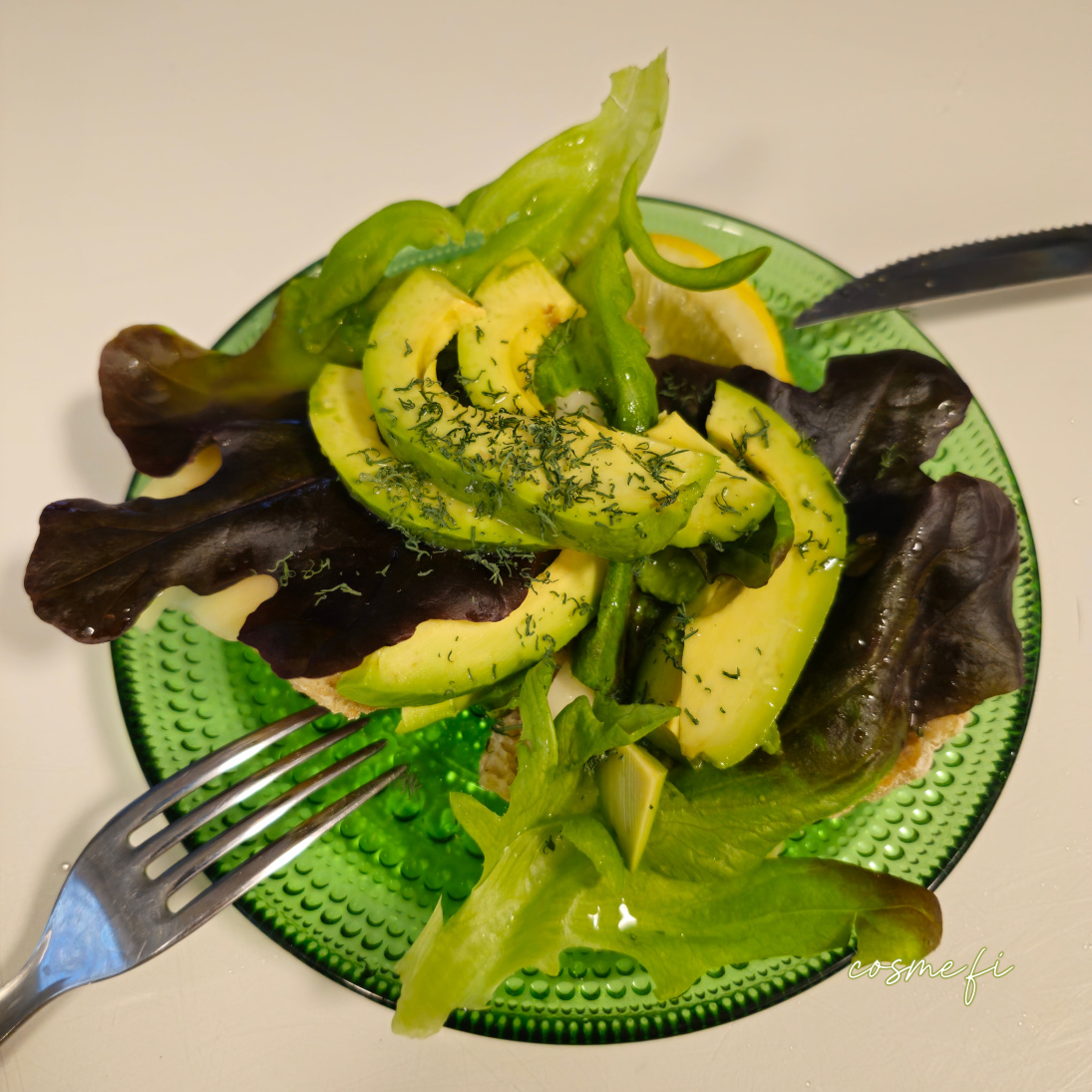
One of the most popular ways to prepare avocado is to make guacamole, which is served with tortillas and chili con carne. Avocado also works well in salads, pairing nicely with acidic vegetables like tomatoes.
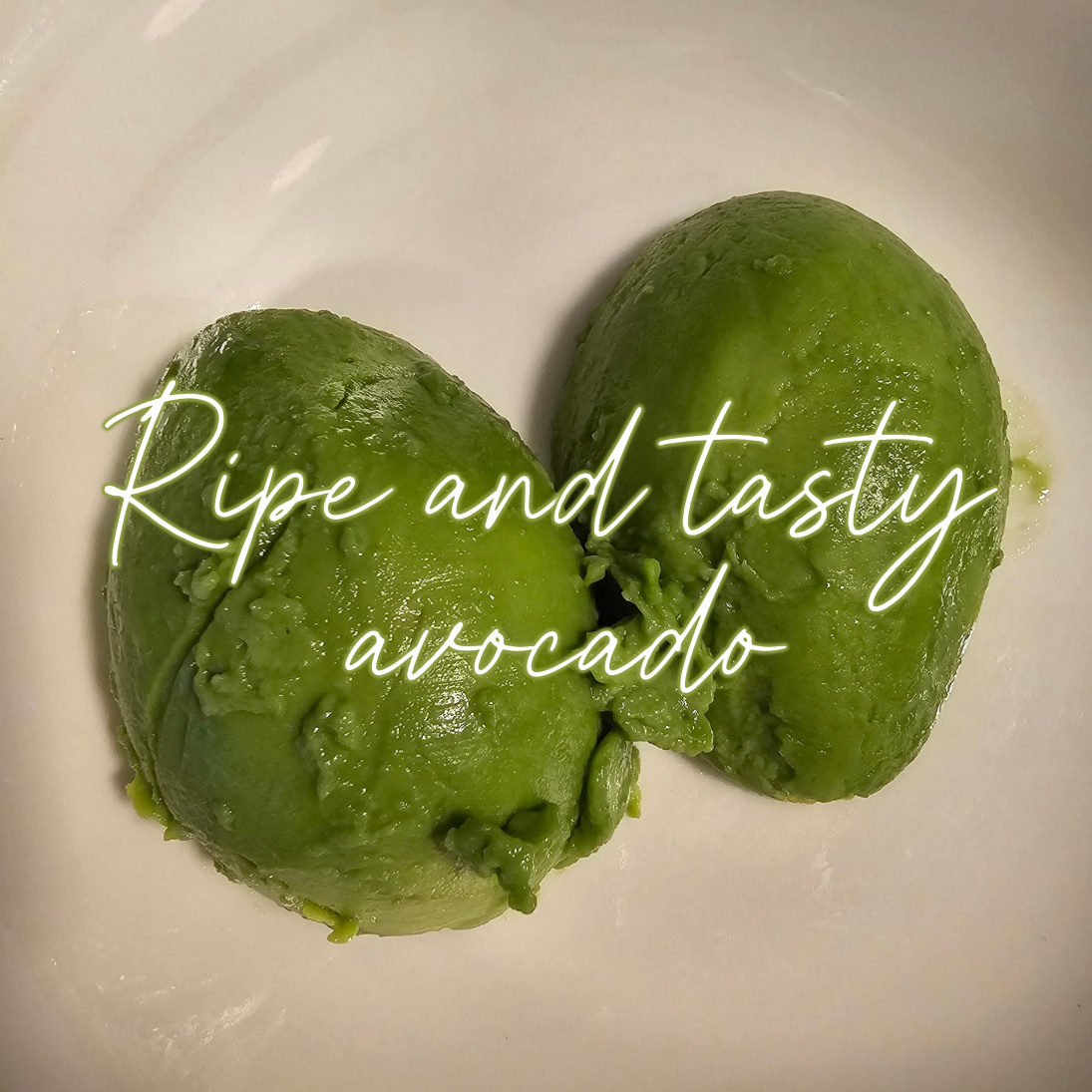
You can also eat avocado on its own, for example as a snack straight from the skin with a spoon. You can sprinkle a little freshly ground pepper on top. Avocado can also be used as a spread, as a substitute for butter, or to replace mayonnaise in hamburgers and sandwiches.
Try avocado for breakfast as well, on toasted rye bread or crispbread with a soft-boiled egg and pepper.
Oats 100 g:
Nutrient Target
Energy kcal 360.0 kcal 18 %
Energy kJ 1,506.8 kJ
Fat 3.5 g 5 %
Saturated 0.7 g 3 %
Carbohydrate 65.0 g 27 %
Sugar 2.9 g 6 %
Protein 13.0 g 13 %
Fiber 6.0 g 24 %
Mineral or trace element Target
Iron (Fe) 2.5 mg 17 %
Avocado 30 g:
Nutrient Goal
Energy kcal 48.0 kcal 2 %
Energy kJ 200.9 kJ
Fat 4.4 g 6 %
Saturated 0.6 g 3 %
Monounsaturated 2.9 g 9 %
Polyunsaturated 0.5 g 3 %
Carbohydrate 2.6 g 1 %
Sugar 0.2 g 0 %
Protein 0.6 g 1 %
Fiber 2.0 g 8 %
Mineral or trace element Goal
Potassium (K) 145.5 mg 5 %
Sodium (Na) 2.1 mg