Sugars are carbohydrates whose molecules consist of one or two sugar units. The former are called monosaccharides and the latter disaccharides.
Sugar occurs naturally in human blood and in some foods.
For example, honey and fruits contain varying amounts of cane sugar, or sucrose, grape sugar, or glucose, and fruit sugar, or fructose. Milk naturally contains milk sugar, or lactose, which is converted into glucose and galactose if the milk is made lactose-free. Beer, on the other hand, contains malt sugar, or maltose.
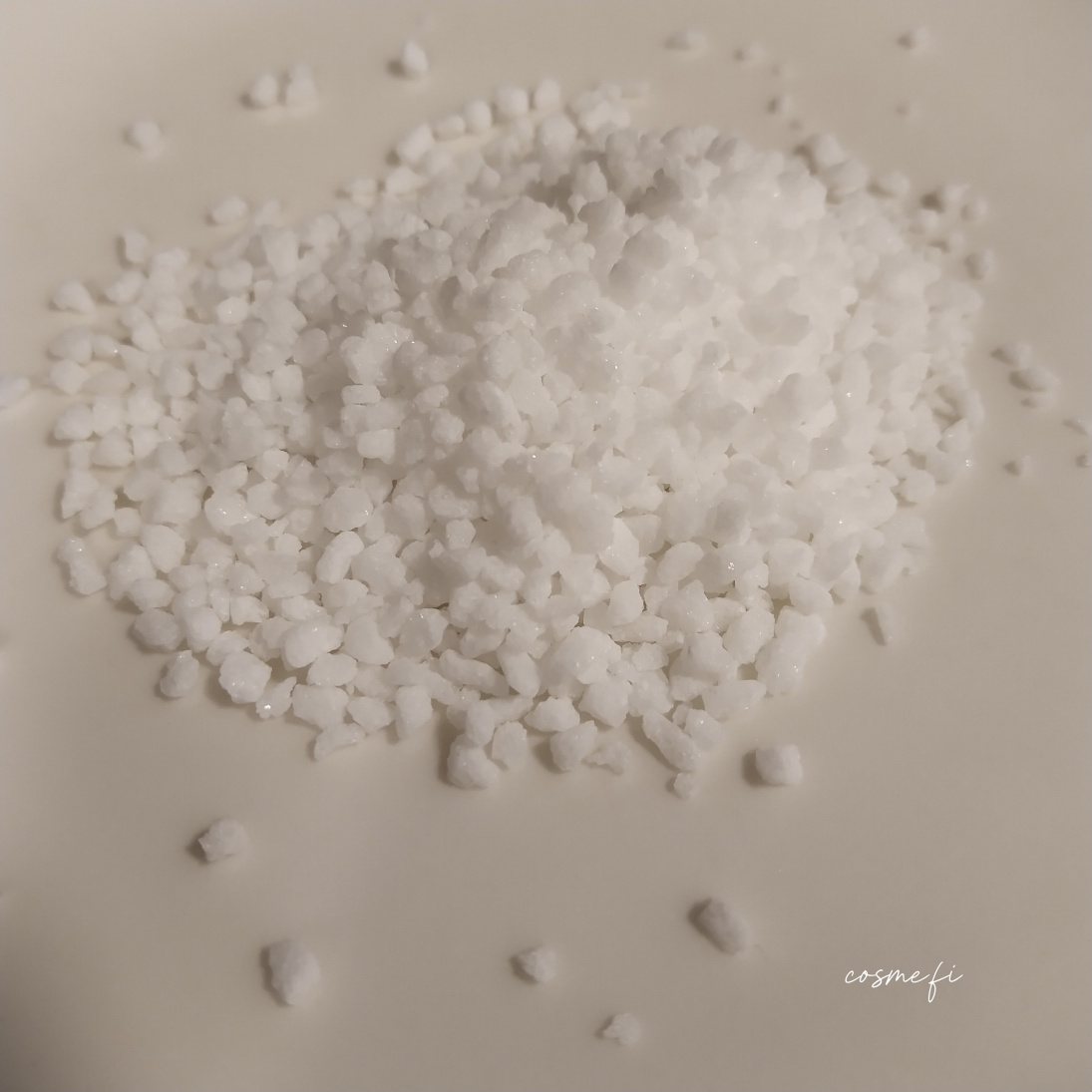
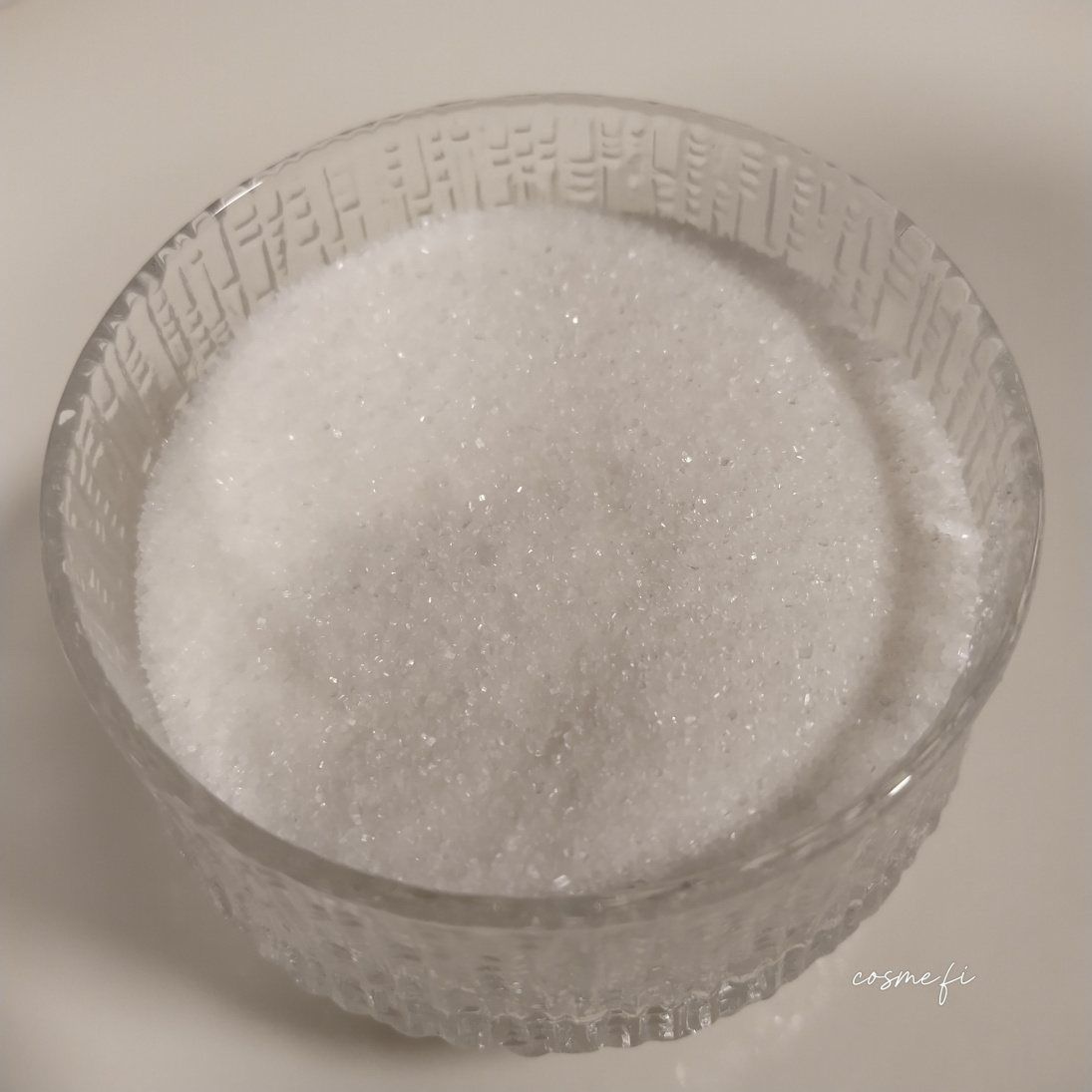
When talking about sugar, it most often refers to table sugar made from cane or beet sugar used to sweeten foods, which breaks down in the body into glucose and fructose.
Over the decades, various alternatives have been developed for table sugar made from cane sugar due to its harmful health effects.
Blood sugar and sugar metabolism refer to the glucose present in the blood of mammals.
Sugars taste sweet and dissolve well in water, but they can also be crystallized.
Different sugars vary significantly in terms of sweetness.
The relative sweetness of sugar types is compared to sucrose, which has been assigned a relative sweetness value of 100.
Relative sweetness of sugars
lactose (milk sugar) 15
maltose (malt sugar) 30
galactose 32
glucose (grape sugar) 70
sucrose (cane sugar) 100
xylitol (birch sugar) 100
fructose (fruit sugar) 140–175
Different types of sugar also differ significantly in terms of their glycemic index, which is 105 for malt sugar, 100 for grape sugar, 65 for cane sugar, 15 for fruit sugar, and zero for erythritol. The World Health Organization (WHO) has recommended that the food industry replace the carbohydrate content with information on the product's glycemic index on packaging labels, because the glycemic index better reflects the health effects of the product.
Monosaccharides are basic sugars that have a single sugar ring with other groups attached. Monosaccharides contain five or six carbon atoms. Five-carbon monosaccharides are called pentoses, and six-carbon monosaccharides are called hexoses.
The most important hexoses are:
glucose (grape sugar) (C6H12O6)
fructose (fruit sugar) (C6H12O6)
galactose (C6H12O6)
In glucose and galactose, the ring form contains five carbon atoms and one oxygen atom, meaning they are pyranoses. Fructose, on the other hand, appears as a furanose, with a ring structure consisting of four carbon atoms and one oxygen atom. Hydroxyl groups are attached to the ring, and their positions affect the properties of the molecule. In nature, hexoses mainly exist in ring form but react in their open-chain form.
Glukos är i blodomloppet i en form som kan användas, för att användas i cellerna för energiproduktion. Glukos finns rikligt i söta frukter, bär och honung, och dess nivå i blodet regleras av insulin. Fruktos finns också i bär, grönsaker och honung. Levern omvandlar galaktos och fruktos till glukos, vilket gör att de absorberas långsammare.
Pentoser:
ribos (C5H10O5)
deoxiribos (C5H10O4)
Ribos och deoxiribos är byggstenar i DNA och RNA. ...
Disaccharides
More complex disaccharides consist of two saccharides joined together by a glycosidic bond, with the release of a water molecule. The bond contains a bridge formed by an oxygen atom. Disaccharides break down in digestion under the action of enzymes into monosaccharides, which are absorbed through the intestinal wall. The six most common mono- and disaccharides are referred to as sugars in nutrition tables. All of them taste sweet.
The most important disaccharides are:
sucrose (table sugar) (C12H22O11)
maltose (malt sugar) (C12H22O11)
lactose (milk sugar) (C12H22O11)
trehalose (fungal sugar) (C12H22O11)
Sucrose consists of glucose and fructose. It is obtained from the sugar beet and sugar cane. When sucrose breaks down into glucose and fructose, it forms a mixture called invert sugar.
The malt sugar present in malts, maltose, consists of two glucose molecules. Maltose is converted into alcohol during beer production, but some of it remains in the beer.
Lactose (glucose + galactose) is found in dairy products. It causes digestive problems for people who lack the lactase enzyme that breaks down lactose; when lactose breakdown is prevented, bacteria in the colon use it as food.
Sugar color syrup is used as a brown coloring agent (E150)
Lactose (glucose + galactose) occurs in dairy products. It causes stomach problems for people who lack the enzyme lactase that breaks down lactose; when lactose breakdown is prevented, the bacteria in the colon use it as a nutrient.
Malt sugar, or maltose, found in malts consists of two glucose molecules. During beer production, maltose is converted into alcohol, but some of it remains in the beer.
Sugar color is used as a brown coloring agent (E150).
The European Food Safety Authority (EFSA) recommends that the intake of so-called free sugars should be as low as possible. Free sugars refer to added sugars and industrial starch sweeteners like glucose syrup, as well as sugars naturally present in honey, syrups, fruit and vegetable juices, and concentrates made from them.
EFSA's recommendation does not apply to lactose naturally present in milk, nor to low-calorie sugar alcohols.
Sugar is a pure carbohydrate.