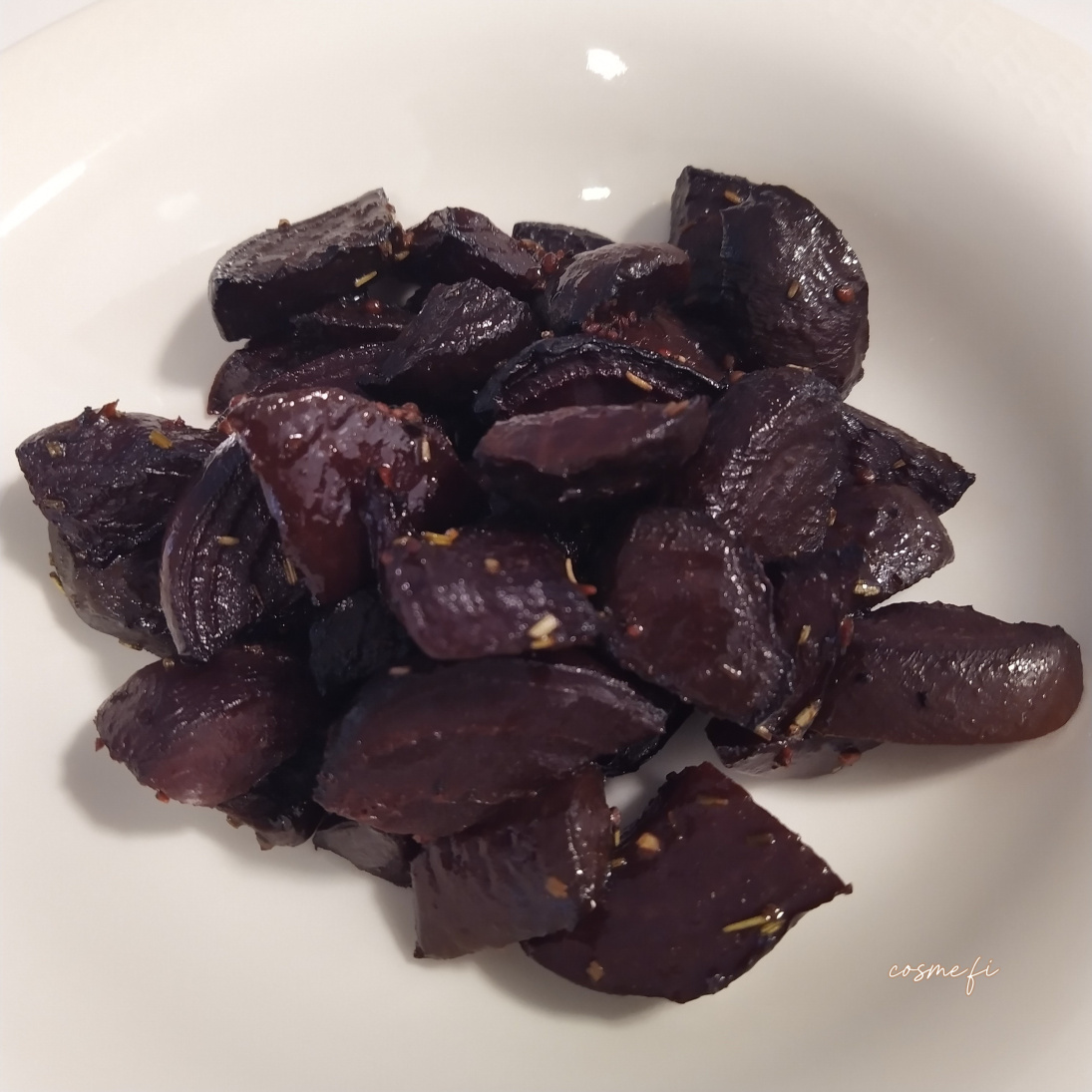
Beetroot is known for its versatile health benefits. It is packed with nutrients that support, among other things, liver function and digestion.
Beetroot is a highly nutritious root vegetable, and the nutrients it contains support overall well-being in many ways.
Vitamins and minerals: Beetroot is rich in vitamin B9 (folate), which supports cell renewal, and vitamin C, which supports the immune system and skin health. Additionally, it contains potassium, magnesium, and iron, which are important for the health of the heart, muscles, and blood.
Antioxidants: The deep red color of beetroot comes from betalains, powerful antioxidants that help the body protect itself against harmful oxidative stress.
Nitrates: The natural nitrates in beetroot can be converted into nitric oxide in the body, which dilates blood vessels and improves circulation.
Fiber: Beetroot is an excellent source of fiber, which supports gut health and promotes satiety.
Heart and Circulatory Health
The nitrates found in beets can improve blood circulation and help lower blood pressure, supporting the health of the heart and cardiovascular system.
Antioxidant Effect
Beets are rich in antioxidants, such as betalains, which protect cells from oxidative stress and support overall health.
Enhancing Athletic Performance
The nitrates in beets can improve oxygen delivery to muscles and endurance, which can be beneficial for athletic performance.
Liver Detoxification
The compounds in beets support liver function and may help the body eliminate toxins.
Digestion
Fiber-rich beets support gut health and digestion, helping to keep metabolism healthy.
Although beetroot is very healthy, there are a few things to consider when using it.
Urine discoloration: Eating beetroot can turn urine or stool red, which is completely harmless but can be alarming if unexpected.
Oxalates: Beetroot contains oxalates, which in large amounts can increase the risk of kidney stones, especially in individuals prone to developing them.
Blood sugar: Although beetroot is nutritious, it contains natural sugars, so diabetics should consume it in moderation.
Beetroot is a nutrient-rich root vegetable, also known as beet or garden beet. It originates from the regions of Europe and North Africa and has been cultivated for centuries both as food and for medicinal purposes.
Beetroot is versatile and can be enjoyed fresh, boiled, roasted, or as juice.
The deep red color of beetroot also makes it a popular ingredient for coloring foods. Its most well-known health benefits include effects on blood pressure and liver health.
Beetroot 100 g:
Nutrient Goal
Energy kcal 44.5 kcal 2 %
Energy kJ 186.1 kJ
Fat 0.1 g 0 %
Polyunsaturated 0.2 g 1 %
Carbohydrate 8.0 g 3 %
Sugar 7.9 g 16 %
Protein 1.4 g 1 %
Fiber 2.5 g 10 %
Organic acids 0.2 g
Vitamin Goal
Vitamin A (RAE) 0.6 µg 0 %
Riboflavin (B2) 0.1 mg 4 %
Vitamin B6 0.1 mg 4 %
Vitamin C 3.0 mg 4 %
Vitamin E 0.1 mg 1 %
Folate (Vitamin B9) 150.0 µg 50 %
Niacin (Vitamin B3) 0.2 mg 1 %
Mineral or Trace Element Goal
Phosphorus (P) 32.0 mg 5 %
Iodine (I) 1.0 µg 1 %
Potassium (K) 320.0 mg 10 %
Calcium (Ca) 11.0 mg 1 %
Copper (Cu) 0.1 mg 7 %
Magnesium (Mg) 15.0 mg 5 %
Sodium (Na) 18.0 mg
Iron (Fe) 0.3 mg 2 %
Selenium (Se) 10.0 µg 20 %
Zinc (Zn) 0.3 mg 4 %