Enough canola oil, black pepper, dill, salt, leek
Salmon, lemon
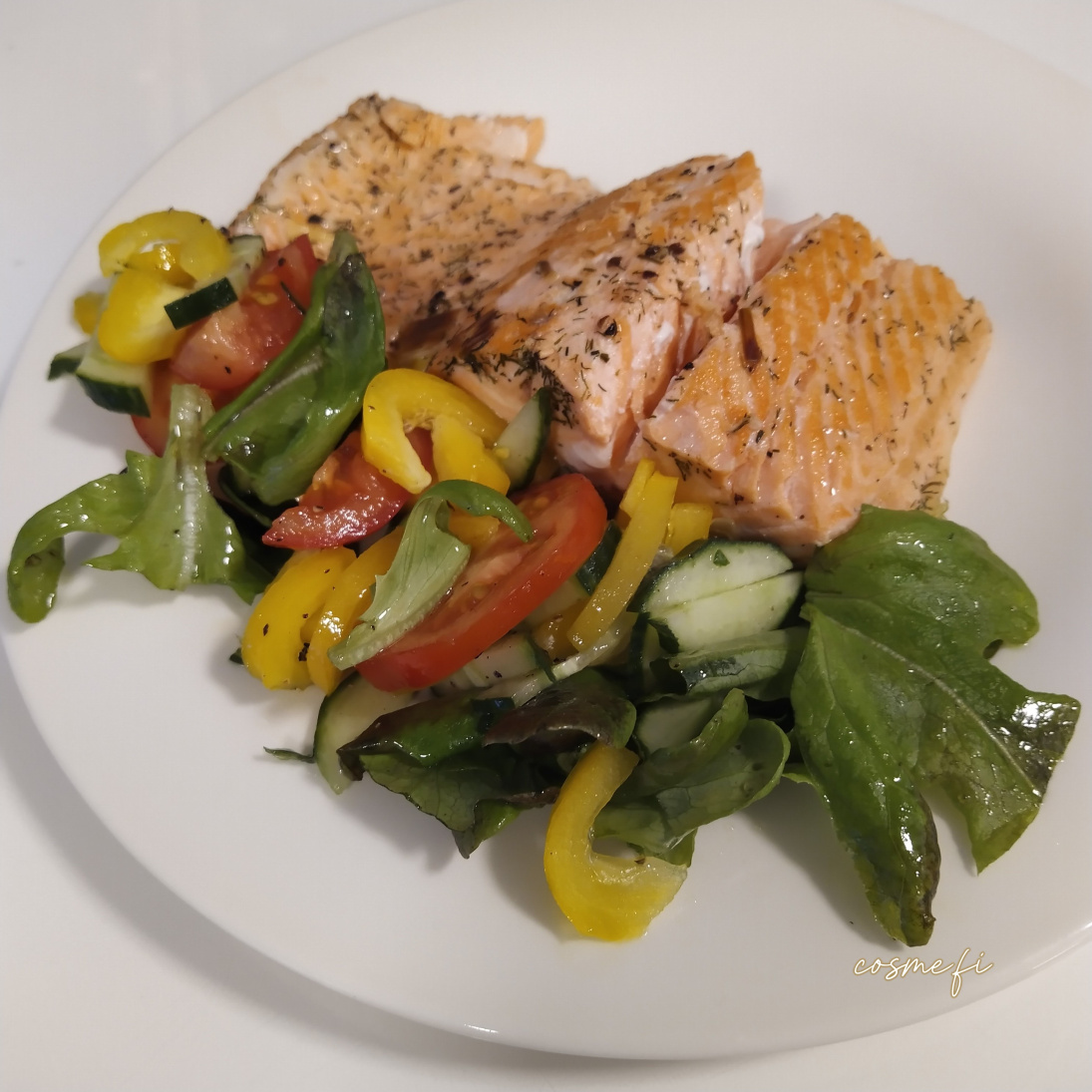
Drizzle olive oil, lemon, and fresh dill over the cooked salmon.
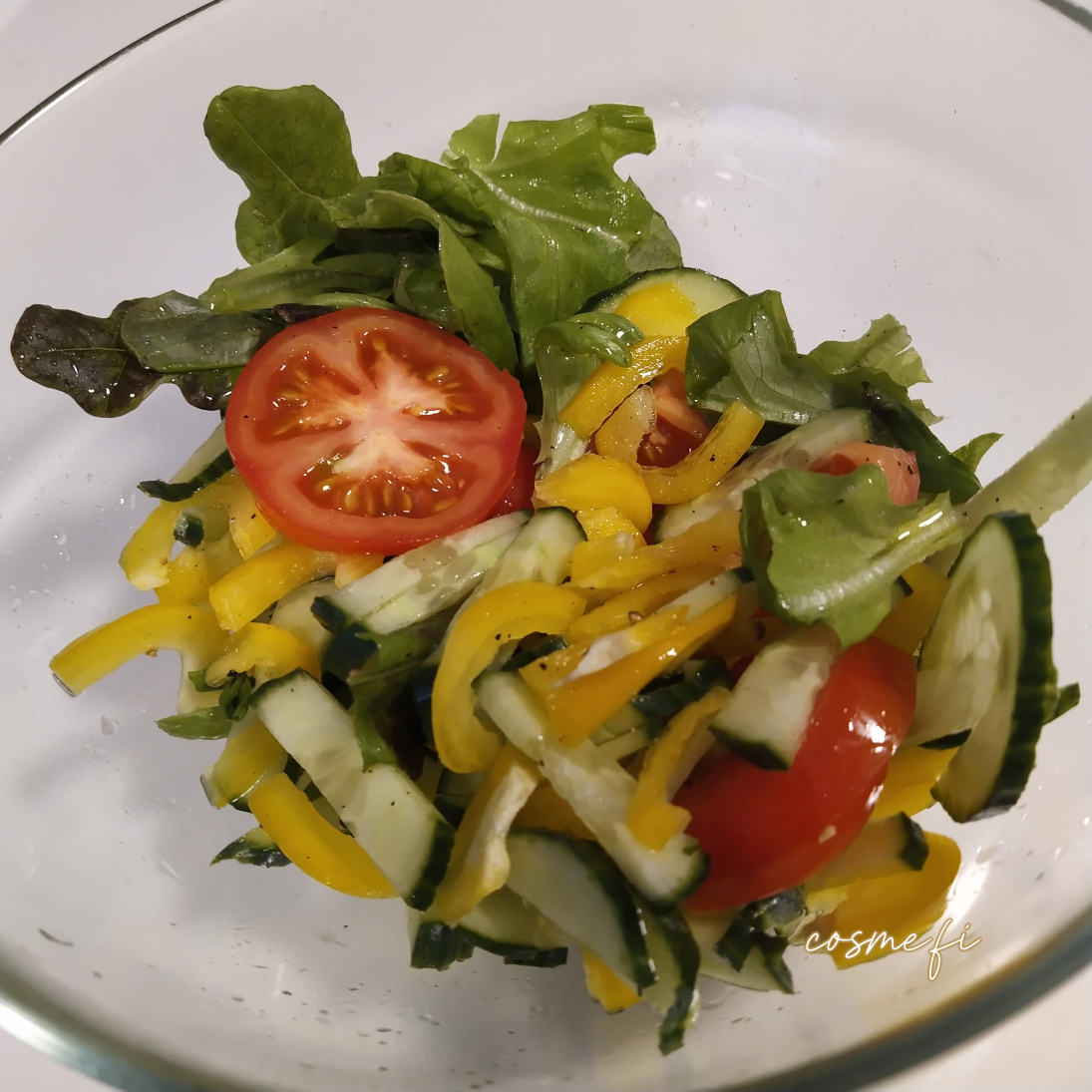
A touch of Calvados in the salad dressing elevates an everyday salad to a special treat.
Main Page > Home Kitchen SiriSiri > Fish and seafood
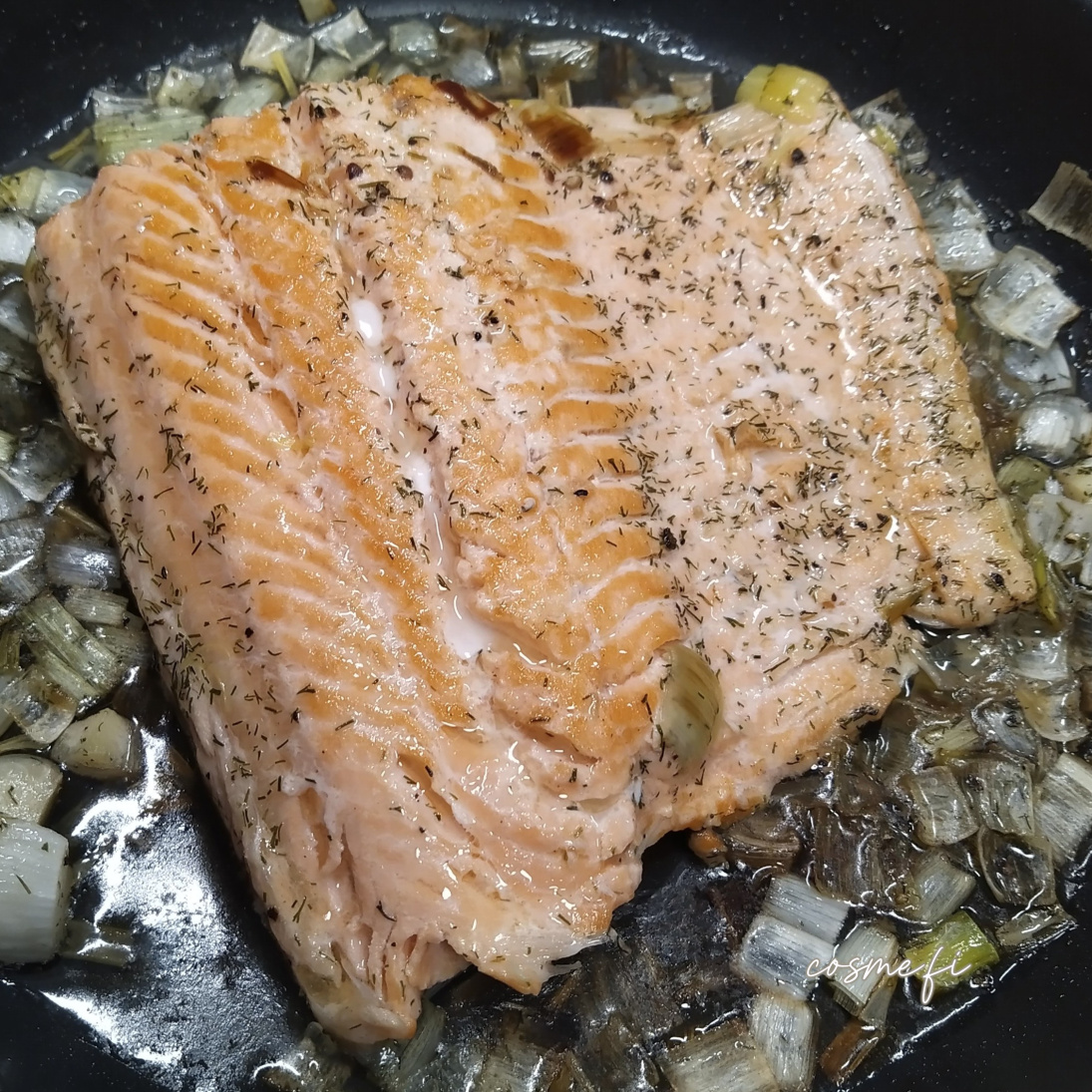

Enough canola oil, black pepper, dill, salt, leek
Salmon, lemon
Drizzle olive oil, lemon, and fresh dill over the cooked salmon.
A touch of Calvados in the salad dressing elevates an everyday salad to a special treat.
Salmon is a nutritious fish that offers many health benefits, including improving cardiovascular health, reducing inflammation, and supporting brain function.
Omega-3 fatty acids
- Salmon is an excellent source of omega-3 fatty acids, especially in the form of eicosapentaenoic acid (EPA) and docosahexaenoic acid (DHA). These fatty acids are essential and have been shown to reduce inflammation, lower blood pressure, and improve heart health. Regular consumption of salmon may also reduce the risk of heart disease.
Protein and B vitamins
- Salmon is rich in high-quality protein, which is important for muscle repair and growth. A 100-gram serving of salmon provides 22-25 grams of protein. Additionally, salmon is a good source of B vitamins, which support energy production and help reduce inflammation.
Brain function and mood
- Studies have shown that omega-3 fatty acids from fish can improve brain function and reduce the risk of cognitive decline. Eating salmon may also help combat symptoms of depression and anxiety.
Bone health
- Salmon is a good source of vitamin D, which is important for bone and immune system health. Vitamin D also helps improve mood and protects against macular degeneration.
Regular consumption of salmon can improve overall health in many ways, including improving cardiovascular health, reducing inflammation, supporting brain function, and promoting bone health. Salmon is a tasty and versatile addition to a diet that can support well-being.
Proteins consist of a total of 20 different amino acids, of which ten cannot be produced by the human body and must be obtained from food. Amino acids serve as building blocks in tissue and enzyme proteins as well as in many hormones and neurotransmitters. Protein contains 17 kJ (4 kcal) of energy per gram. Excess protein is not stored, but is converted into fat in the body.
Of nutrients, fish naturally contains the most vitamin D. The fish with the highest vitamin D content are eel, herring, perch, pike-perch, and whitefish. Fish roe also contains vitamin D, about 10 µg/100 g. For example, 80 grams of salmon already provides the daily recommended amount (10 µg) of vitamin D.
Salmon 100 g:
Nutrient Target
Energy kcal 126.9 kcal 6%
Energy kJ 531.2 kJ
Fat 8.8 g 12%
Saturated 1.7 g 8%
Monounsaturated 2.9 g 9%
Polyunsaturated 3.2 g 19%
Protein 12.2 g 12%
Salt 0.1 g 1%
Vitamin Target
Vitamin A (RAE) 3.1 µg 0%
Thiamine (B1) 0.1 mg 14%
Riboflavin (B2) 0.1 mg 7%
Vitamin B6 0.5 mg 41%
Vitamin B12 2.6 µg 130%
Vitamin D 5.2 µg 52%
Vitamin E 1.5 mg 18%
Folate (Vitamin B9) 10.4 µg 3 %
Niacin (Vitamin B3) 4.7 mg 33%
Mineral or Trace Element Target
Phosphorus (P) 156.0 mg 26%
Iodine (I) 42.3 µg 28%
Potassium (K) 253.5 mg 8%
Calcium (Ca) 10.4 mg 1%
Magnesium (Mg) 16.3 mg 6%
Sodium (Na) 28.0 mg
Iron (Fe) 0.3 mg 2%
Selenium (Se) 16.9 µg 34%
Zinc (Zn) 0.3 mg 4%

