"Tallukka", cured salmon and Extra virgin olive oil, seasoned with dill, black pepper, and chopped onion
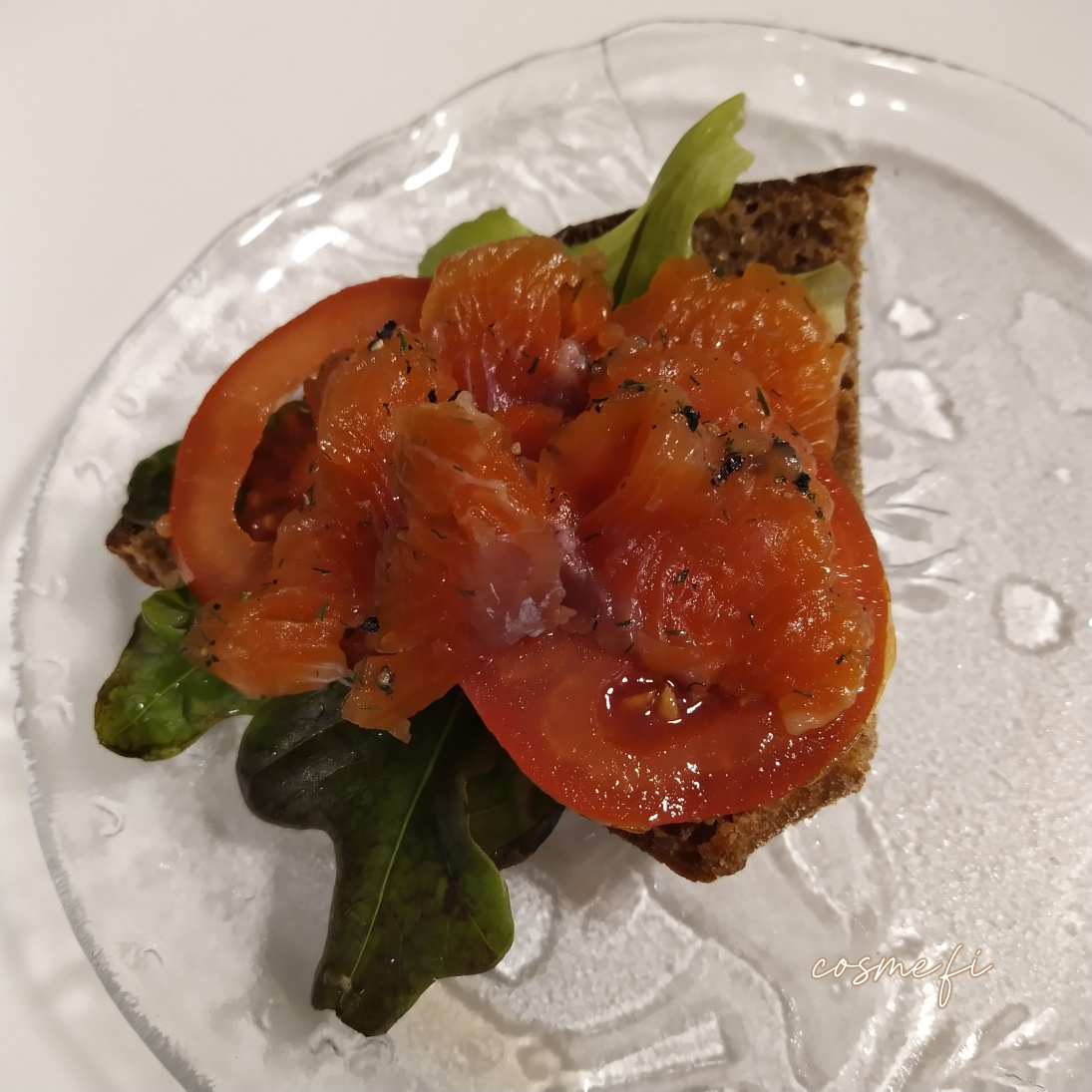
Rye bread, Extra virgin olive oil, salad, tomato, and cured salmon
Main Page > Home Kitchen SiriSiri > Fish and seafood

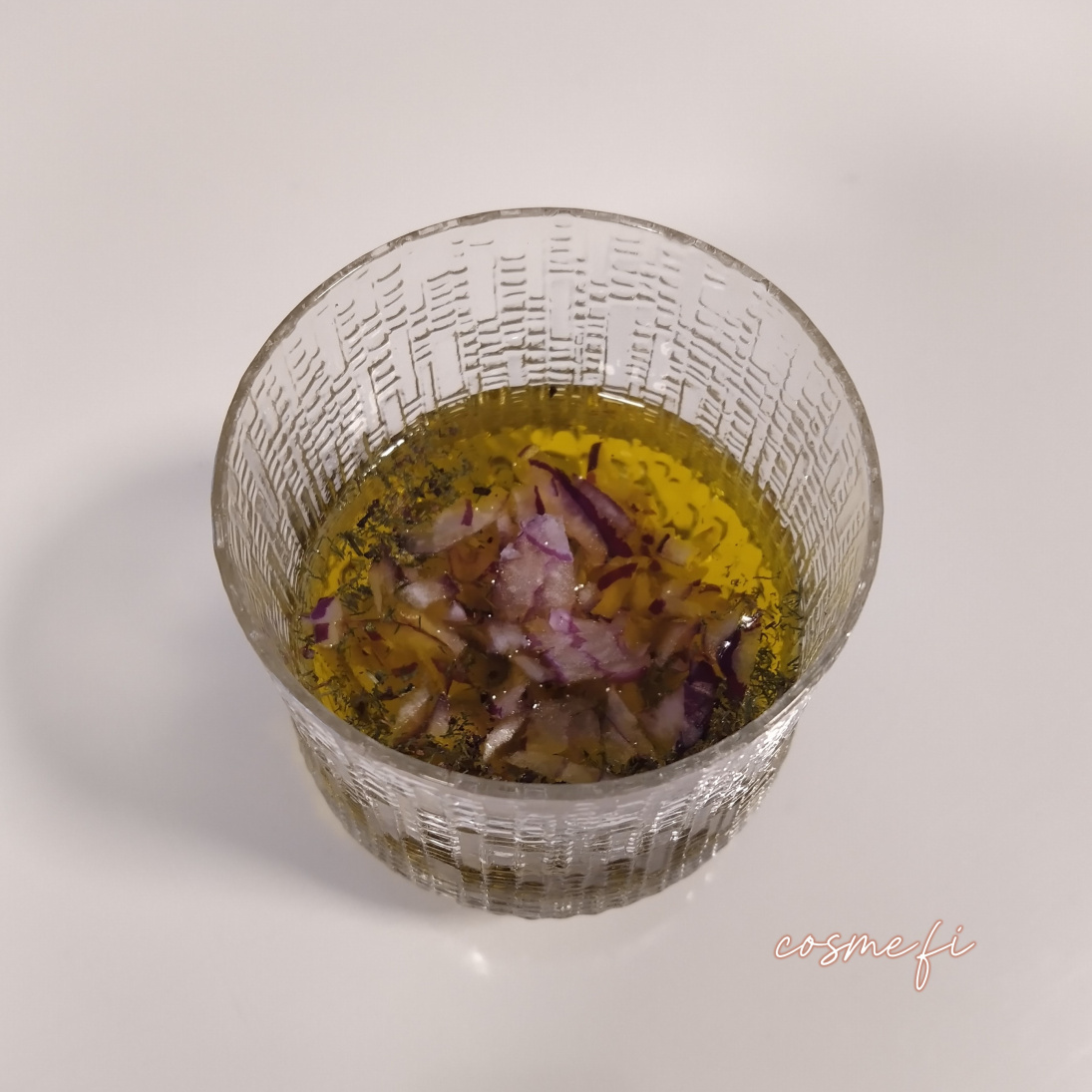
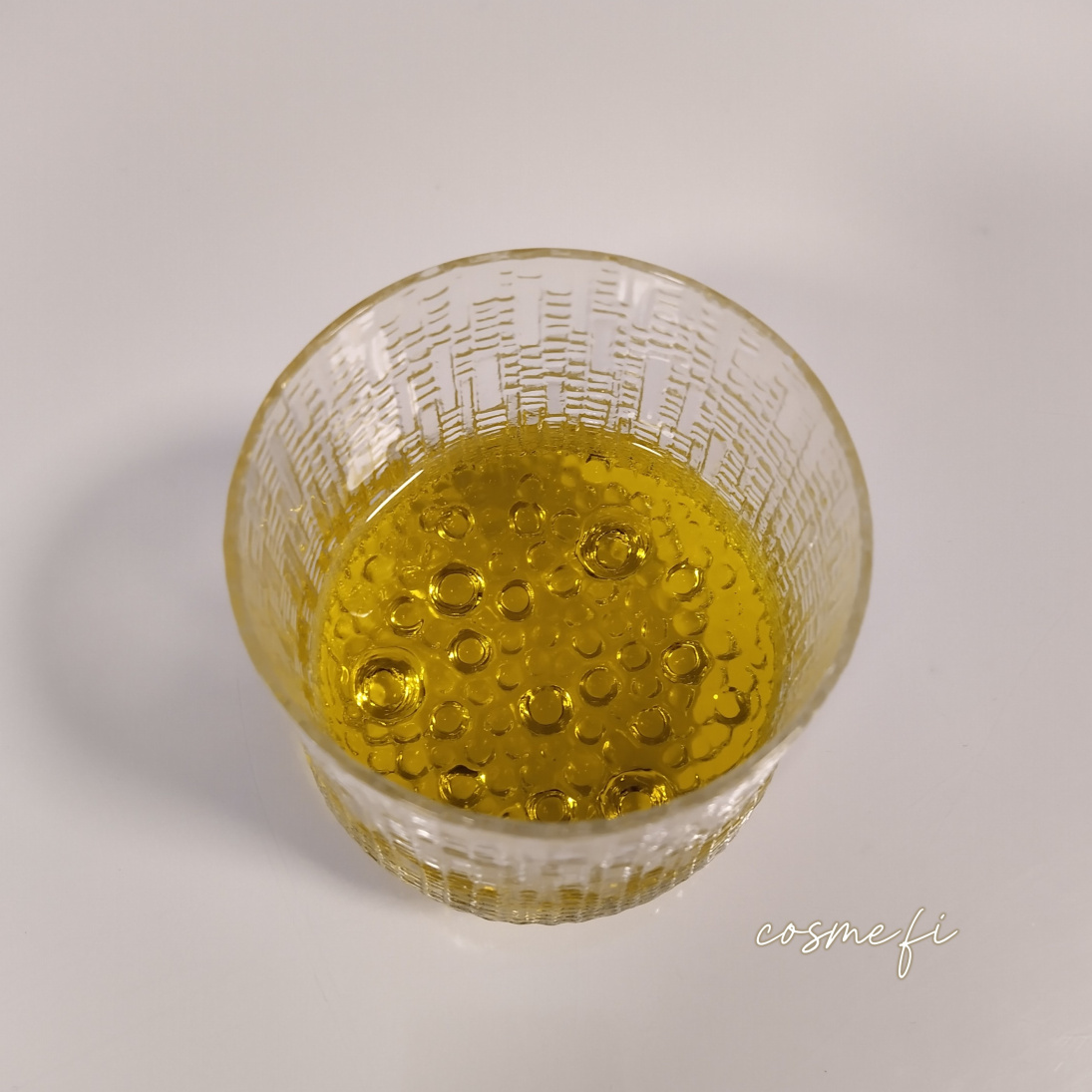
"Tallukka", cured salmon and Extra virgin olive oil, seasoned with dill, black pepper, and chopped onion
Rye bread, Extra virgin olive oil, salad, tomato, and cured salmon
Vitamin D all year round
- Salmon contains plenty of vitamin D, which is not available in sufficient quantities from sunlight in winter. Vitamin D is needed to support the immune system as well as the well-being of bones, muscles, the nervous system and blood vessels.
Fatty acids important for the heart
- A healthy and varied diet is the be-all and end-all of heart well-being. Salmon contains plenty of healthy unsaturated omega-3 fatty acids, which help, among other things, lower blood pressure, correct blood lipid levels and prevent cardiovascular disease.
Plenty of protein
- Salmon is rich in protein, which helps to keep you feeling full and repair minor muscle damage after training, thus strengthening and growing muscles.
Why you should not eat the skin
- Harmful substances, such as dioxins and PCBs, accumulate in the fat of wild fish. According to Evira, by skinning these, you can eliminate up to a third of the fish portion on your plate. However, farmed fish contains significantly fewer harmful substances.
- Of all the nutrients, fish naturally contains the most vitamin D. Eel, herring, perch, pike-perch and whitefish contain the most vitamin D. Vitamin D is also found in fish roe, approximately 10 µg/100 g. For example, 80 grams of salmon already provides the recommended daily intake (10 µg) of vitamin D.
Proteins consist of a total of 20 different amino acids, of which ten cannot be produced by the human body and must be obtained from food. Amino acids serve as building blocks in tissue and enzyme proteins as well as in many hormones and neurotransmitters. Protein contains 17 kJ (4 kcal) of energy per gram. Excess protein is not stored, but is converted into fat in the body.
Fatty acids, especially omega-3 fatty acids, can significantly affect cholesterol.
Omega-3 fatty acids, such as eicosapentaenoic acid (EPA) and docosahexaenoic acid (DHA), can reduce blood triglycerides and inflammation, which may lower the risk of cardiovascular diseases.
Cholesterol is a fat-like substance that the body needs to build cell membranes, hormones, and vitamin D. High cholesterol can lead to atherosclerosis and heart and brain attacks.
Omega-3 fatty acids can raise HDL cholesterol (good cholesterol) and lower LDL cholesterol (bad cholesterol), which is beneficial for heart health.
Omega-3 fatty acids are beneficial for lowering cholesterol and promoting heart health.
Salmon 100 g:
Nutrient Target
Energy kcal 126.9 kcal 6%
Energy kJ 531.2 kJ
Fat 8.8 g 12%
Saturated 1.7 g 8%
Monounsaturated 2.9 g 9%
Polyunsaturated 3.2 g 19%
Protein 12.2 g 12%
Salt 0.1 g 1%
Vitamin Target
Vitamin A (RAE) 3.1 µg 0%
Thiamine (B1) 0.1 mg 14%
Riboflavin (B2) 0.1 mg 7%
Vitamin B6 0.5 mg 41%
Vitamin B12 2.6 µg 130%
Vitamin D 5.2 µg 52%
Vitamin E 1.5 mg 18%
Folate (Vitamin B9) 10.4 µg 3 %
Niacin (Vitamin B3) 4.7 mg 33%
Mineral or Trace Element Target
Phosphorus (P) 156.0 mg 26%
Iodine (I) 42.3 µg 28%
Potassium (K) 253.5 mg 8%
Calcium (Ca) 10.4 mg 1%
Magnesium (Mg) 16.3 mg 6%
Sodium (Na) 28.0 mg
Iron (Fe) 0.3 mg 2%
Selenium (Se) 16.9 µg 34%
Zinc (Zn) 0.3 mg 4%

