How to use rapeseed oil in pie dough?
You can make the base like this:
- 1 dl rapeseed oil
- 1 dl water
- 3 dl wheat flour
- a pinch of salt
Parsnips are such an ingredient that once you get used to it, you start using it everywhere.
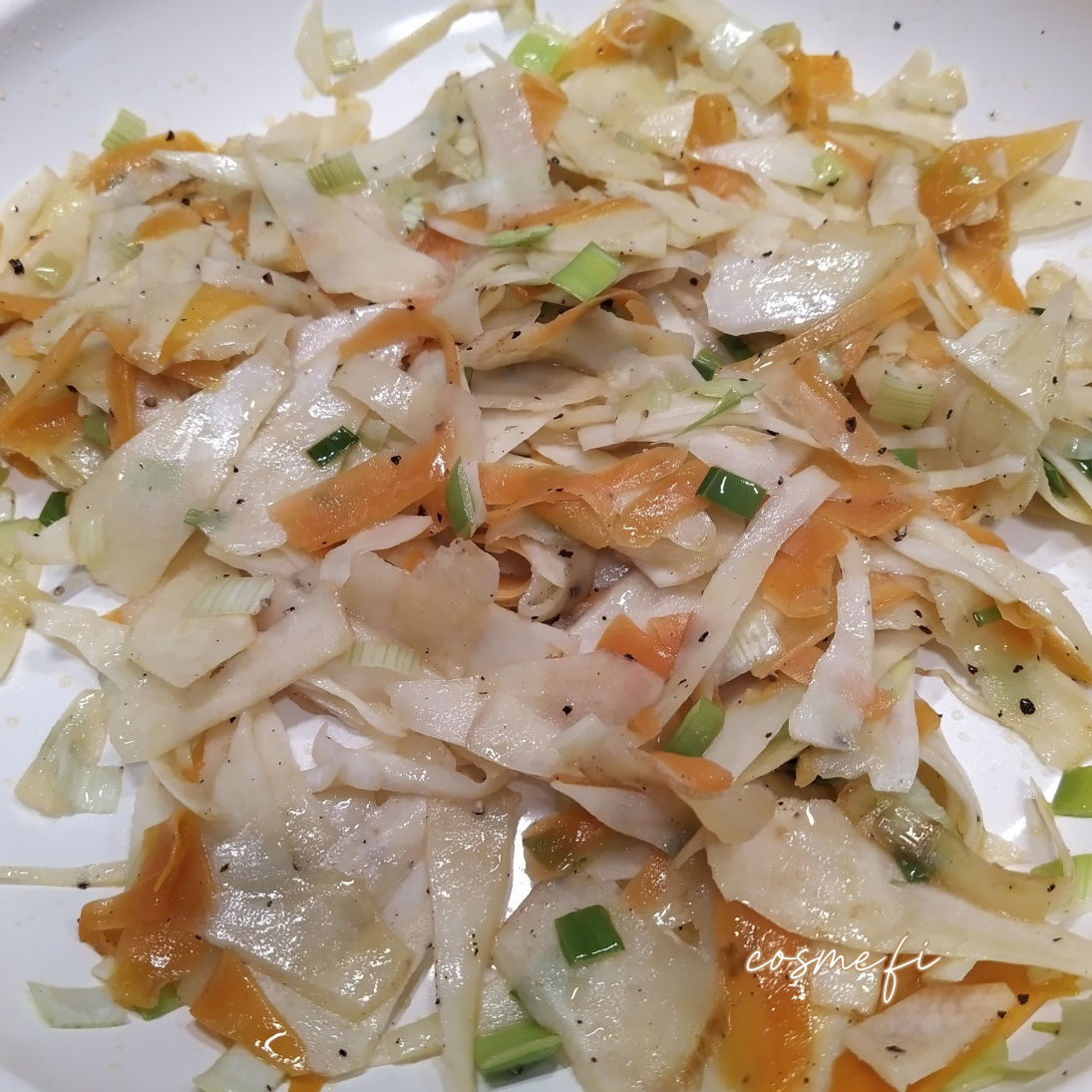
For the filling for the parsnip pie, sauté in rapeseed oil:
- 2 large parsnips and 1 carrot, drained into chips, leeks,
black pepper, thyme for seasoning, a pinch of salt
- Gouda cheese in small cubes
Alternative products for the pie filling:
- Leeks - fry lightly before adding to the filling, adds sweetness and softness.
- Carrots - grated or thinly sliced.
- Celery - a small amount gives depth.
- Potato - thinly sliced in layers with the parsnips.
- Goat cheese or feta – if you want saltiness and richness.
Filling: Creme Fraiche + a couple of eggs works great.
The combination makes the filling:
- rich but not too heavy
- very clottable
- suitably acidic, which balances the sweetness of the parsnip
A good basic ratio is, for example:
- 2 dl Creme Fraiche
- 2 eggs
- (a dash of rapeseed oil)
- salt and pepper to taste
- (a dash of Calvados)
- (hazelnut crumbs)
Parsnip + carrot + leek is already a perfect trio in itself: sweetness, softness and aromaticity.
- Thyme and black pepper bring just the right amount of heat without covering up the root's own flavor.
- Sautéing in rapeseed oil makes the root soft and highlights its sweetness without the heaviness of butter.
- Creme Fraiche + eggs bind the filling beautifully and give it a creamy but fresh texture.
- Loraus Calvados is a brilliant move — a slight fruity aroma enhances the sweetness of the root and adds depth.
- Hazelnut crumbs add texture and a nutty toastiness that goes great with the root.
- Lemon on top of the finished pie is that final bright note that makes the whole thing fresh.
Parsnips like warm, earthy and slightly sweet spices. Here are a few excellent options:
- Thyme – a classic with root vegetables, adds depth.
- Rosemary – a small amount is enough, gives an aromatic touch.
- Nutmeg – especially good with creamy fillings.
- White pepper – a soft and sophisticated kick.
- Smoked paprika – if you want a little heat and depth.
- Garlic – either fresh or powdered.
- Lemon zest – a little grated zest will brighten up the flavor surprisingly much.
Cholesterol Management
Milk, cream, butter
Saturated fatty acids: LDL cholesterol
Extra virgin olive oil, Rapeseed oil
Unsaturated fatty acids: lower LDL cholesterol, increase HDL cholesterol
Nutritional values of parsnip per 100 grams:
Calories: 64-75 kcal
Fat: 0.3-1 g
Carbohydrates: 10-18 g
Protein: 1-1.2 g
Vitamins and minerals: Contains vitamins A, B, C, and E, as well as folate and potassium.
Parsnip is also known for its high fiber content, making it a healthy choice.
Parsnips 100 g:
Nutrient Target
Energy kcal 63.8 kcal 3 %
Energy kJ 266.9 kJ
Fat 0.6g 1%
Saturates 0.1g 0%
Polyunsaturated 0.3g 2%
Carbohydrate 10.3g 4%
Sugar 5.2g 10%
Protein 1.1g 1%
Fibre 5.7g 23%
Organic acids 0.5 g
Vitamin Objective
Vitamin A (RAE) 1.7 μg 0%
Thiamine (B1) 0.1 mg 12 %
Riboflavin (B2) 0.1 mg 8 %
Vitamin B6 0.1mg 11%
Vitamin C 15.2 mg 20%
Vitamin E 0.8 mg 10%
Folate (Vitamin B9) 87.0μg 29%
Niacin (Vitamin B3) 0.7 mg 5%
Mineral or trace element Objective
Phosphorus (P) 58.0 mg 10 %
Iodine (I) 1.0 μg 1 %
Potassium (K) 480.0 mg 15 %
Calcium (Ca) 31.0 mg 4 %
Copper (Cu) 0.1 mg 9 %
Magnesium (Mg) 28.0 mg 10 %
Sodium (Na) 1.4 mg
Iron (Fe) 0.4mg 3%
Selenium (Se) 10,0 μg 20 %
Zinc (Zn) 0.3 mg 5%