Extra virgin olive oil Red wine vinegar Basil Black pepper Red onion Tomato
cosme.fi SiriSiri
Home Kitchen SiriSiri
Tomato salad - red onion, basil
Main Page > Home Kitchen SiriSiri > Root vegetables and vegetables
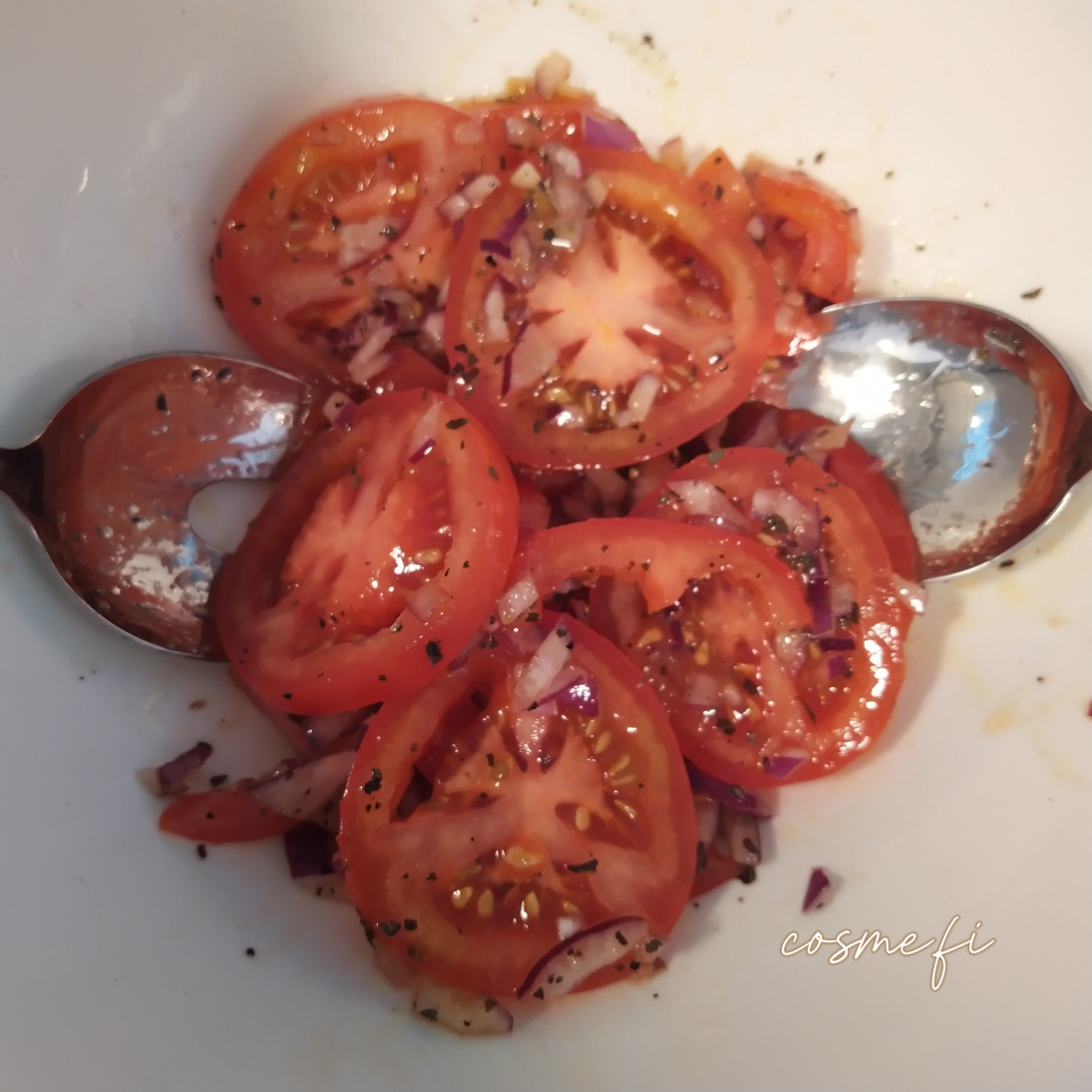
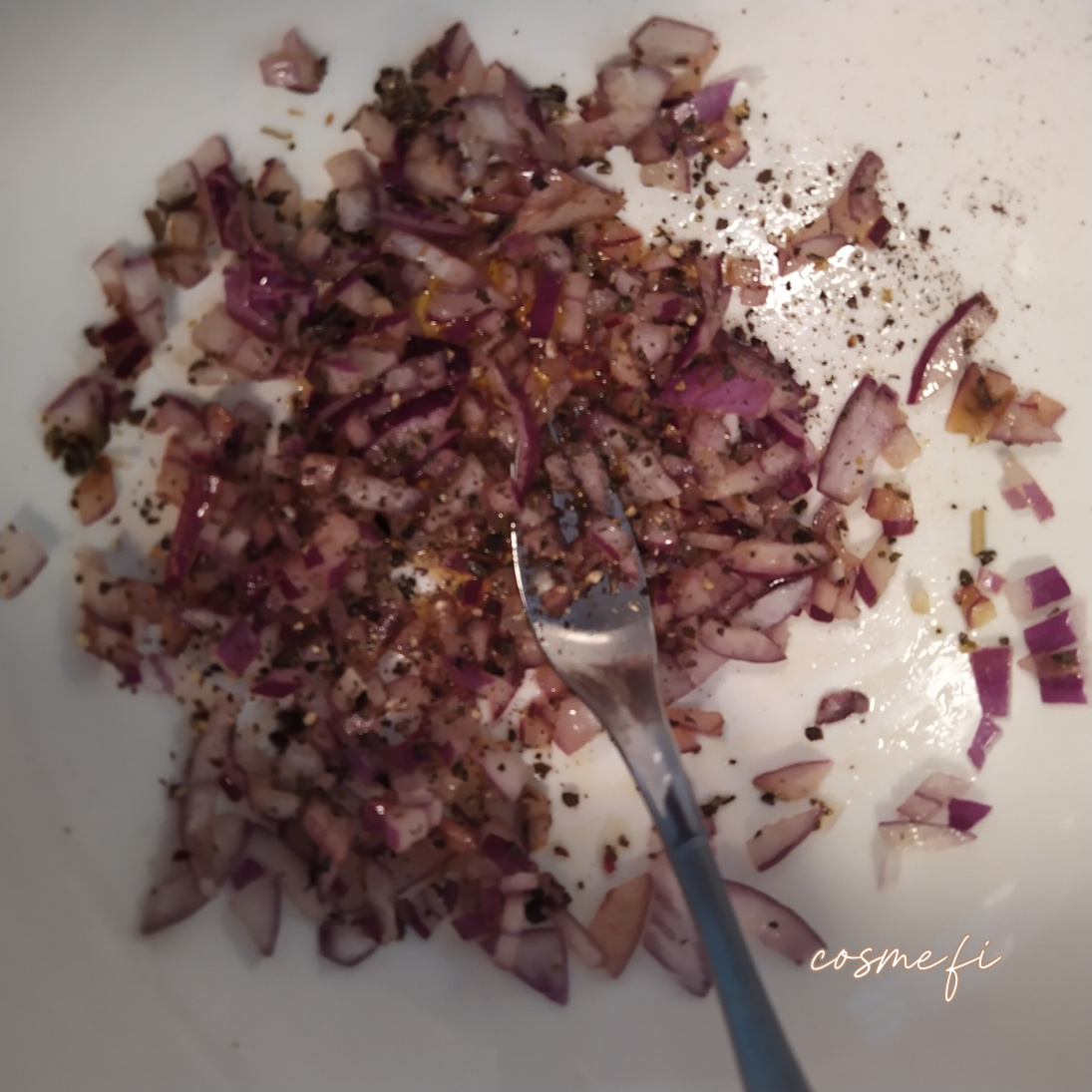
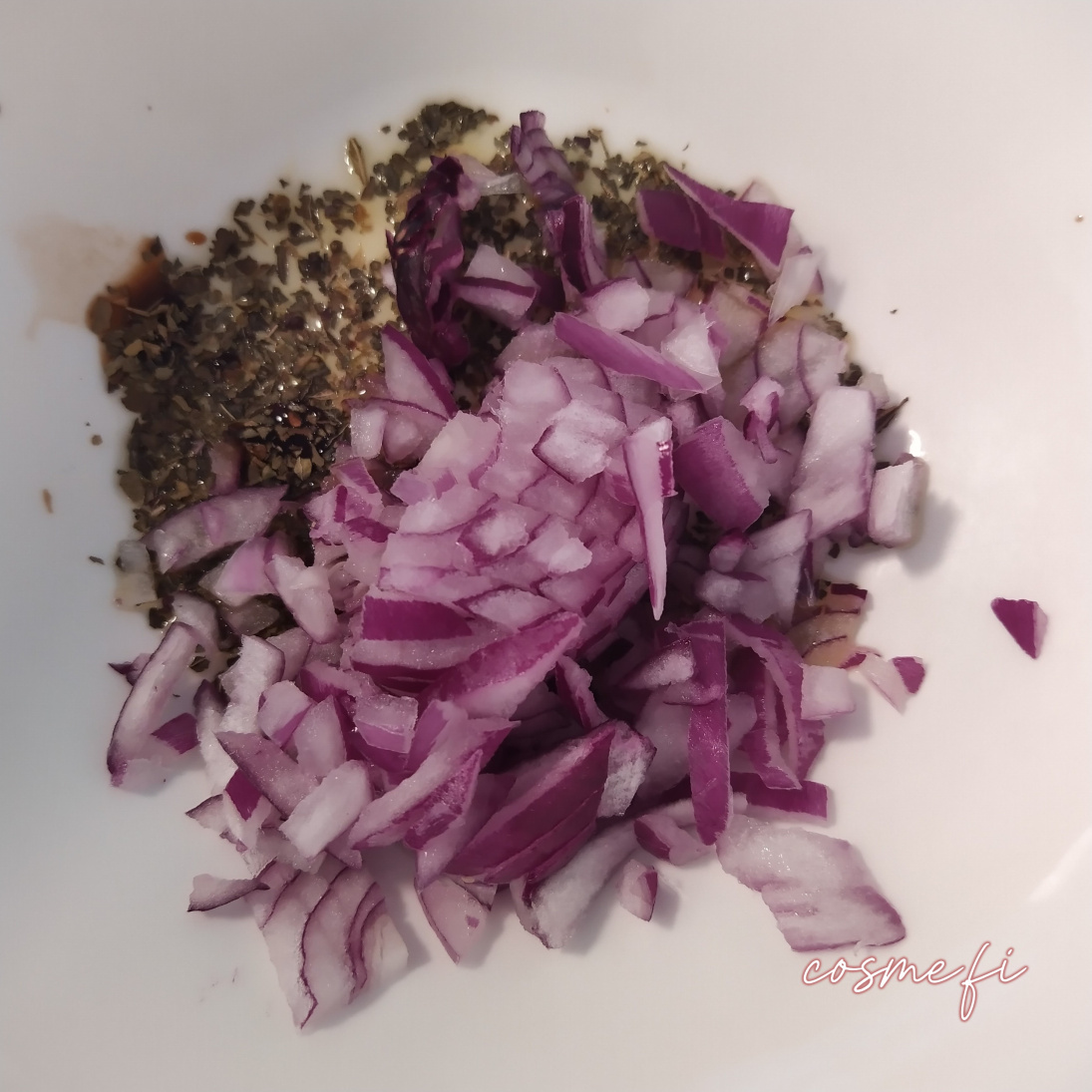
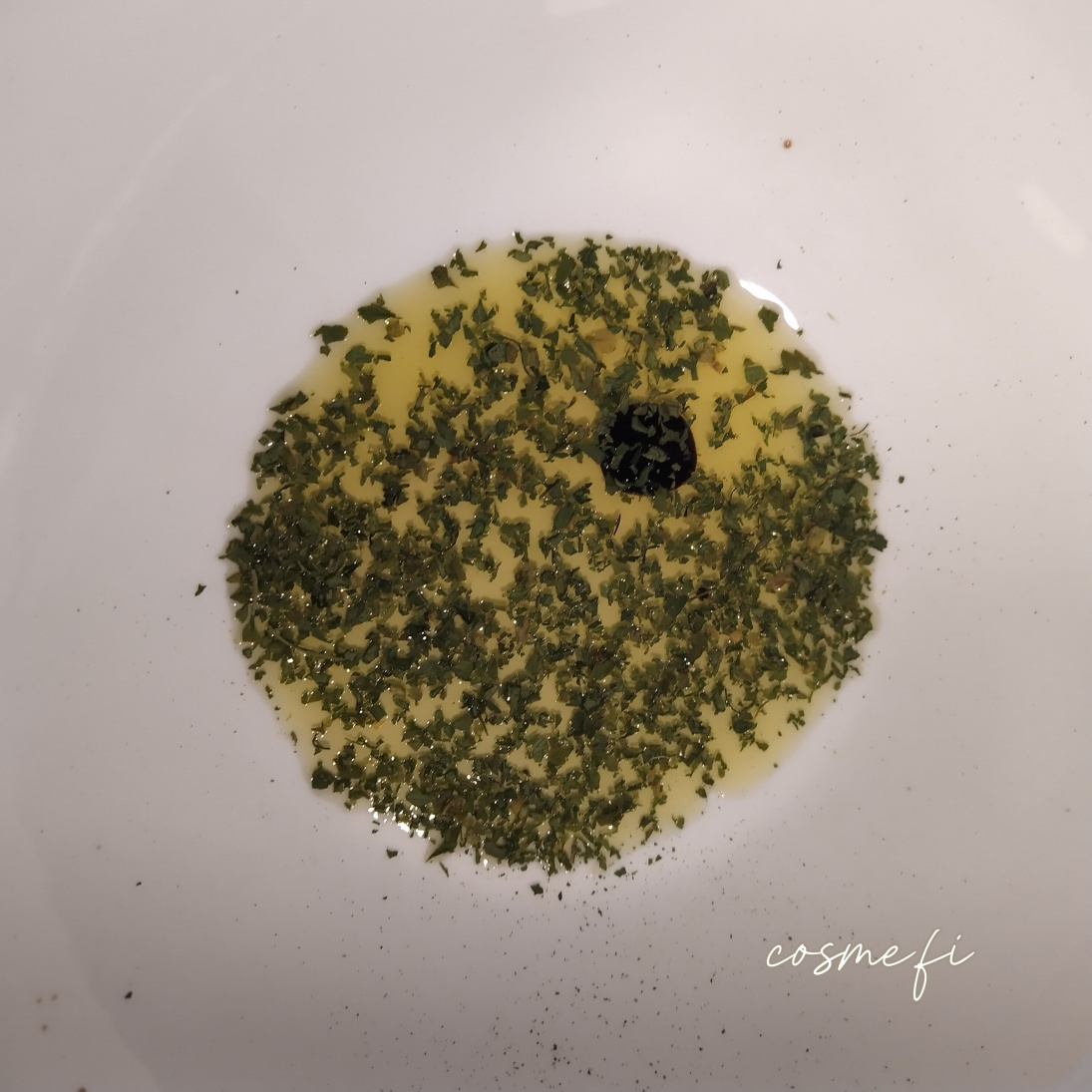
Tomato salad - red onion, basil.
Tomatoes are a versatile and healthy vegetable that you could eat with every meal. Tomatoes are rich in an antioxidant called lycopene, which can reduce the risk of cancer and cardiovascular disease. In addition, lycopene slows down skin aging and helps protect against UV radiation from the sun. Tomatoes are very low in calories, which makes them a good choice for weight management.
- Antioxidant content: Tomatoes are high in vitamin C, beta-carotene, lutein, and lycopene.
- Cardiovascular health: Lycopene and other antioxidants in tomatoes can help lower blood pressure, reduce inflammation, and improve blood vessel function.
- Cancer prevention: Lycopene is often associated with cancer prevention, especially prostate cancer. In addition, tomatoes contain other compounds, such as flavonoids and carotenoids, that may help fight cancer.
- Skin health: The antioxidants in tomatoes can help protect the skin from the sun's UV rays and slow down the aging process. Tomatoes are also rich in vitamin C, which is important for collagen production and skin health.
- Weight management: Tomatoes are low in calories and high in fiber, making them a good choice for weight management. They can help fill you up on a low calorie diet and promote a feeling of fullness.
- Blood sugar control: Tomatoes are a good source of carbohydrates, and their low glycemic index can help keep blood sugar levels stable.
Cooked or raw?
- Vitamin C: Raw tomatoes tend to have more vitamin C than cooked tomatoes, as heat treatment can destroy some of the vitamin C.
- Fiber: Raw tomatoes may have a slightly higher fiber content than cooked tomatoes. Fiber is important for digestion and can help maintain a healthy digestive tract.
- Lycopene: Although lycopene is one of the most important antioxidants in tomatoes, its levels may be slightly lower in raw tomatoes compared to cooked tomatoes. However, the availability of lycopene may improve during cooking.
Cooked:
- Lycopene: The availability of lycopene may increase in cooked tomatoes, as heat treatment breaks down the cell walls and facilitates the release of lycopene. Therefore, cooked tomatoes may actually be healthier than raw tomatoes.
- Antioxidant availability: Some antioxidants may be better absorbed as a result of cooking.
Olive Oil:
Nutrient Goal
Energy kcal 884.0 kcal 44%
Energy kJ 3,700.0 kJ
Fat 100.0 g 141%
Saturated 14.0 g 63%
Monounsaturated 68.4 g 205%
Polyunsaturated 10.9 g 66%
Vitamin Goal
Vitamin A (RAE) 2.0 µg 0%
Vitamin E 11.9 mg 149%
Tomato Lycopersicon esculentum 100 g:
Nutrient Target
Energy kcal 22.7 kcal 1 %
Energy kJ 95.1 kJ
Fat 0.3 g 0 %
Polyunsaturated 0.1 g 1 %
Carbohydrate 3.5 g 1 %
Sugar 3.4 g 7 %
Protein 0.6 g 1 %
Fiber 1.4 g 6 %
Organic acids 0.4 g
Vitamin Target
Vitamin A (RAE) 66.8 µg 10 %
Thiamine (B1) 0.1 mg 5 %
Vitamin B6 0.1 mg 7 %
Vitamin C 14.1 mg 19 %
Vitamin E 0.7 mg 8 %
Folate (vitamin B9) 11.6 µg 4 %
Niacin (vitamin B3) 0.7 mg 5 %
Mineral or trace element Target
Phosphorus (P) 25.9 mg 4%
Iodine (I) 1.0 µg 1%
Potassium (K) 237.1 mg 8%
Calcium (Ca) 8.6 mg 1%
Magnesium (Mg) 8.3 mg 3%
Sodium (Na) 2.2 mg
Iron (Fe) 0.2 mg 1%
Selenium (Se) 0.5 µg 1%
Zinc (Zn) 0.1 mg 1%

