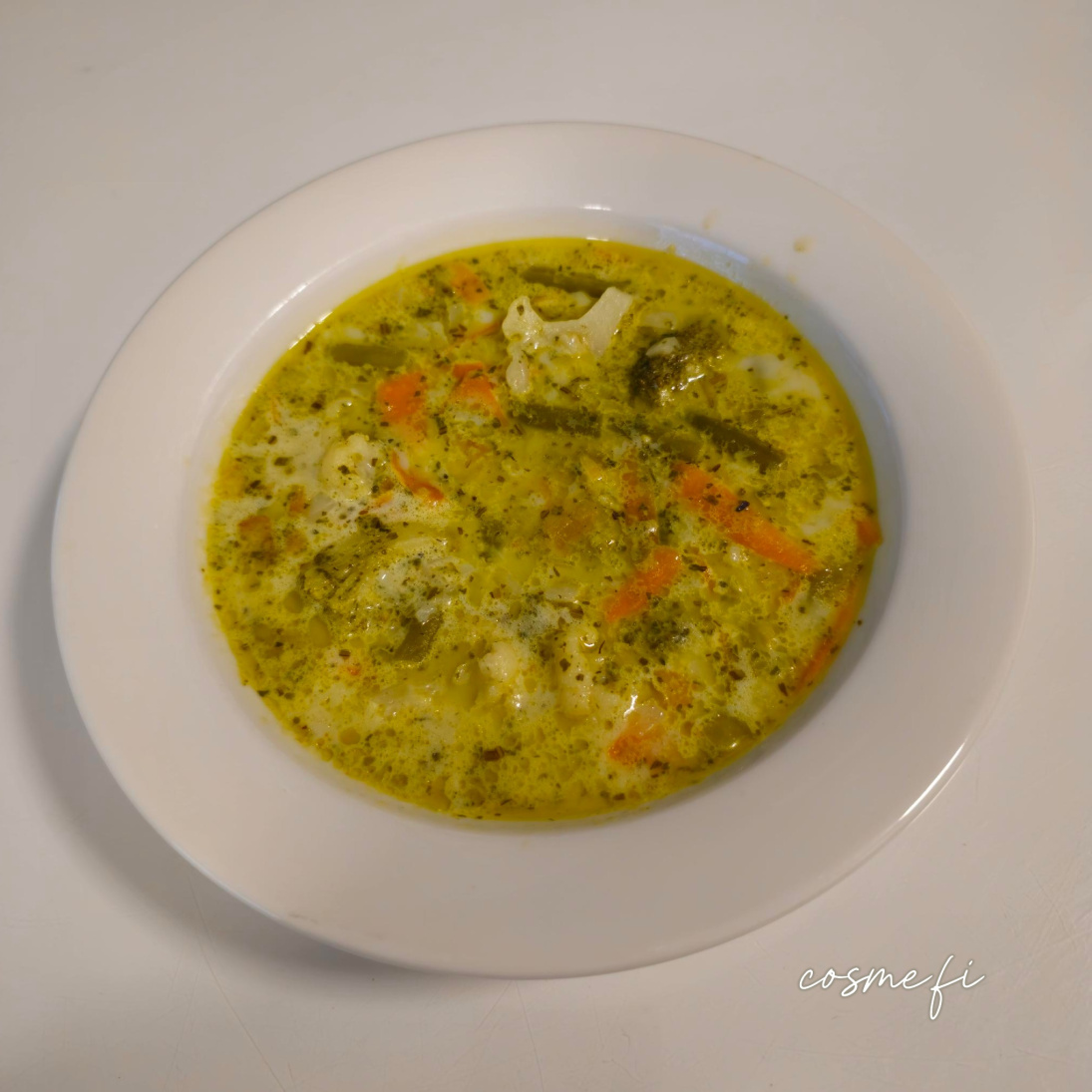
Green beans, also known as haricot verts, are a plant belonging to the garden bean family, harvested early. Green beans are actually immature pods that are eaten whole with their seeds, and they originate from Central and South America, but they are grown all over the world.
Beans are nutritious, packed with protein, fiber, and vitamins, and can be used in many different ways in cooking.
In Finland, the green bean season lasts from July to September.
Vitamin A: Green beans are rich in vitamin A, which strengthens vision and also promotes fertility.
Vitamin B: The B vitamin that beans are rich in is folate, which prevents cardiovascular diseases.
Vitamin C: Vitamin C is obtained from fruits and vegetables, including beans. It is important for the formation of connective tissue.
Vitamin K: Vitamin K content is good for bones and promotes blood clotting.
Magnesium: The intake of this mineral is important for metabolism, muscles and heart function.
Iron: Women of childbearing age often get too little iron, considering that they lose it through menstruation, among other things. Beans are therefore also worth eating for their iron intake.
Potassium: Like most vegetables, green beans also contain potassium, which is needed to support the body's fluid balance, blood pressure and normal functioning of the nervous system.
Calcium: Green beans are rich in calcium, which is especially important during menopause to prevent bone loss.
Green beans cannot be eaten raw like fresh peas because they contain a protein called lectin, which can cause stomach pain and nausea. Therefore, fresh kidney beans should always be boiled, steamed, or fried first.
Green beans, cooked, 100 g
Nutrient Target
Energy kcal 37.9 kcal 2%
Energy kJ 158.7 kJ
Fat 0.3 g 0%
Saturated 0.1 g 0%
Monounsaturated 0.0 g 0%
Polyunsaturated 0.2 g 1%
Carbohydrate 5.1 g 2%
Sugar 3.3 g 7%
Protein 2.2 g 2%
Salt 0.0 g 0%
Fiber 2.6 g 10%
Organic acids 0.4 g
Vitamin Target
Vitamin A (RAE) 15.5 µg 2%
Thiamine (B1) 0.1 mg 8%
Riboflavin (B2) 0.0 mg 4%
Vitamin B6 0.1 mg 9%
Vitamin B12 0.0 µg 0%
Vitamin C 13.8 mg 18%
Vitamin D 0.0 µg 0%
Vitamin E 0.1 mg 2%
Folate (Vitamin B9) 59.6 µg 20%
Niacin (Vitamin B3) 0.7 mg 5%
Mineral or Trace Element Target
Phosphorus (P) 42.6 mg 7%
Iodine (I) 1.1 µg 1%
Potassium (K) 340.4 mg 11%
Calcium (Ca) 51.1 mg 6%
Copper (Cu) 0.1 mg 8%
Magnesium (Mg) 23.4 mg 8%
Sodium (Na) 2.1 mg
Iron (Fe) 0.7 mg 5%
Selenium (Se) 2.7 µg 5%
Zinc (Zn) 0.4 mg 6%