
Long-aged cheeses
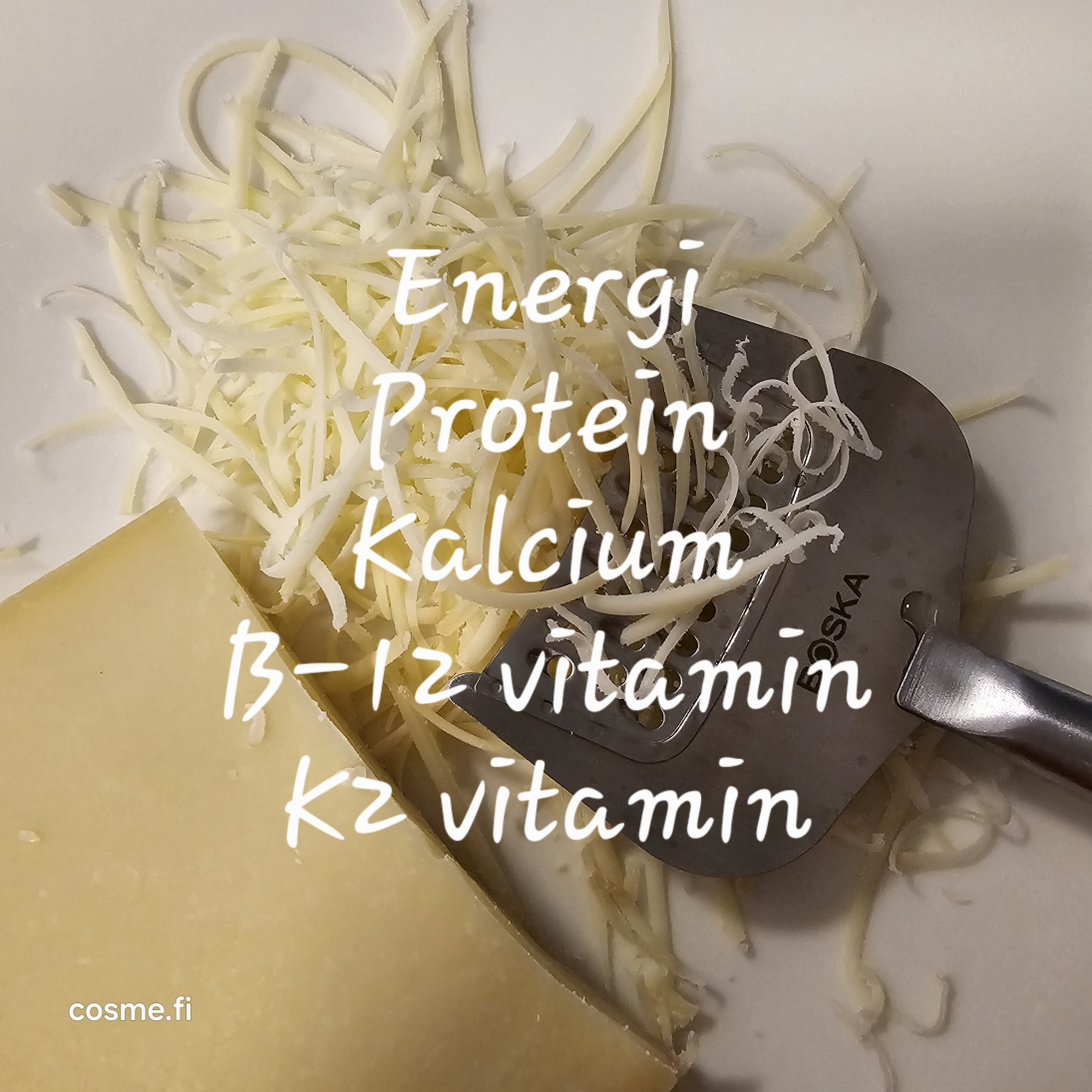
In terms of health benefits, the best choices are usually high-quality, truly fermented cheeses, such as gouda, emmental, parmesan, gruyère, cheddar, and other long-aged hard cheeses.
A good source of calcium: Calcium supports the health of bones and teeth. Fermented dairy products, like cheese, are significant sources of calcium.
High in protein: Aged cheeses are concentrated in high-quality protein, which helps maintain muscles and keeps you feeling full.
Contains vitamin K2: Particularly fermented and long-aged cheeses can be good sources of vitamin K2. K2 helps direct calcium to the bones and may support normal bone as well as heart and vascular health.
Low in lactose: Long aging breaks down lactose. Many cheeses aged over 6 months contain very little lactose, so they can also be suitable for many people who are lactose intolerant.
Compounds produced by fermentation: During aging, bioactive compounds and fermentation products form, which are believed to contribute to the health benefits of fermented dairy products.

