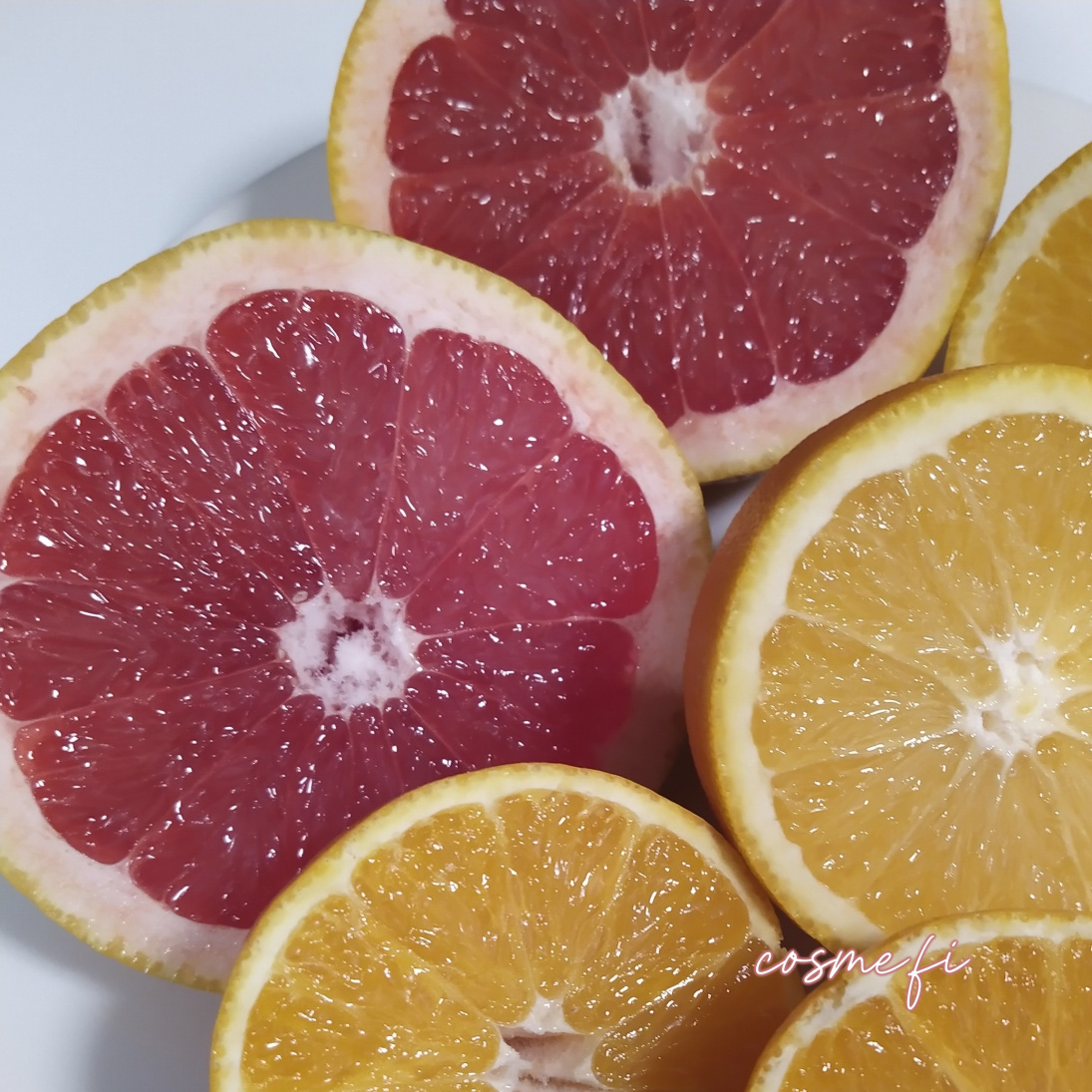
The fresh, tangy taste of grapefruit is not to everyone's taste, but it is one of nature's most nutritious fruits, rich in vitamins C, B and E, calcium, phosphorus and potassium.
Vitamin C, or ascorbic acid, is an essential vitamin for humans that the body cannot produce itself.
Vitamin C slows down the aging of cells and affects, among other things, the condition of the skin and mucous membranes. Vitamin C is essential for the formation of collagen. Collagen is a building block of connective tissues and ligaments, which plays an important role in the function of the skin, blood vessels, tendons and ligaments.
According to Harvard, the relationship between vitamin C and heart health is still unclear. Some large observational studies suggest that higher vitamin C intake – particularly from fruits and vegetables – may be associated with a reduced risk of cardiovascular disease and stroke. This is likely due to vitamin C's antioxidant properties, which protect blood vessels and reduce plaque formation.
However, clinical studies on vitamin C supplements have been inconsistent, so recommendations for higher vitamin C intake are unlikely to be beneficial in preventing heart disease.
Higher intake of vitamin C from food has been linked in studies to a reduced risk of cataracts. However, according to a Harvard article, high doses of vitamin C supplements have even been associated with an increased risk of cataracts.
Epidemiological studies have shown that a diet rich in fruits and vegetables is associated with a lower risk of several cancers. This may be partly due to the vitamin C content of the food. Vitamin C prevents the formation of cancer-causing nitrosamines from nitrites in the stomach. However, studies focusing solely on vitamin C supplements have not consistently shown the same effect.
Excessive vitamin C can cause diarrhea, nausea, vomiting, heartburn, muscle cramps, headaches, and insomnia. Large doses of vitamin C may be harmful to individuals who are prone to forming calcium oxalate kidney stones. Oxalate is one of the breakdown products of vitamin C. Excessive consumption of supplements during pregnancy can also affect the baby's vitamin C levels after birth.
The possibility of drug interactions, as grapefruit can interfere with the metabolism of certain medications, which may lead to dangerous drug levels in the body.
Grapefruit is not compatible with certain medications. These include, among others, some blood pressure medications, cholesterol-lowering drugs, and immunosuppressive medications.
High acidity, which can cause or worsen heartburn, reflux symptoms, or stomach issues in sensitive individuals.
High sugar content compared to other fruits, which can cause a rise in blood sugar, particularly concerning for diabetics.
The risk of allergic reactions in some individuals, which can cause symptoms such as itching, swelling, or difficulty breathing.
- Energy is obtained from fat, protein, carbohydrate and alcohol in food. The unit of energy is kilojoule (kJ). One kilojoule is equal to 0.239 kilocalories (kcal). Each energy nutrient has a specific ability to produce energy. The energy coefficient of fat is 37 kJ/g (9 kcal/g), protein and carbohydrate 17 kJ/g (4 kcal/g), alcohol 29 kJ/g (7 kcal/g), fiber 8 kJ/g (2 kcal/g), organic acids 13 kJ/g (3 kcal/g) and sugar alcohols 10 kJ/g (2.4 kcal/g).
- Proteins consist of a total of 20 different amino acids, ten of which the human body cannot produce itself, but must obtain from food. Amino acids act as building blocks in tissue and enzyme proteins as well as in many hormones and neurotransmitters. Protein contains 17 kJ (4 kcal) of energy per gram. Excess protein is not stored, but is converted into fat in the body.
- Carbohydrates are energy-producing substances characteristic of plant products. The body obtains glucose, or blood sugar, from absorbed carbohydrates, which produces 17 kJ/g (4 kcal) of energy in the body. Absorbable carbohydrates include sugars and starch. Sugars include mono- and disaccharides such as sucrose, glucose, fructose, lactose and maltose.
- Fat
Total fat refers to the total amount of all fat-soluble substances contained in food. Most of the fat in food is in the form of triglycerides, but total fat also includes phospholipids and sterols. Fats act as building blocks for cells, participate in nervous system function, hormone metabolism and growth. Fat produces 37 kJ (9 kcal) of energy per gram. The Finnish diet contains more fat than recommended.
....
Vitamin E alpha-tocopherol
....
Flavonoids - Hesperidin, naringin
100 grams of grapefruit pulp contains:
calculated energy 136 kJ, of which
81% carbohydrates
8% fat
8% protein
3% organic acids
absorbable carbohydrates: 6.5 g, of which
2.6 g fructose
2.2 g glucose
1.7 g sucrose
fat: 0.3 g
protein: 0.6 g
alcohol: 0.0 g