Good morning, heartily!
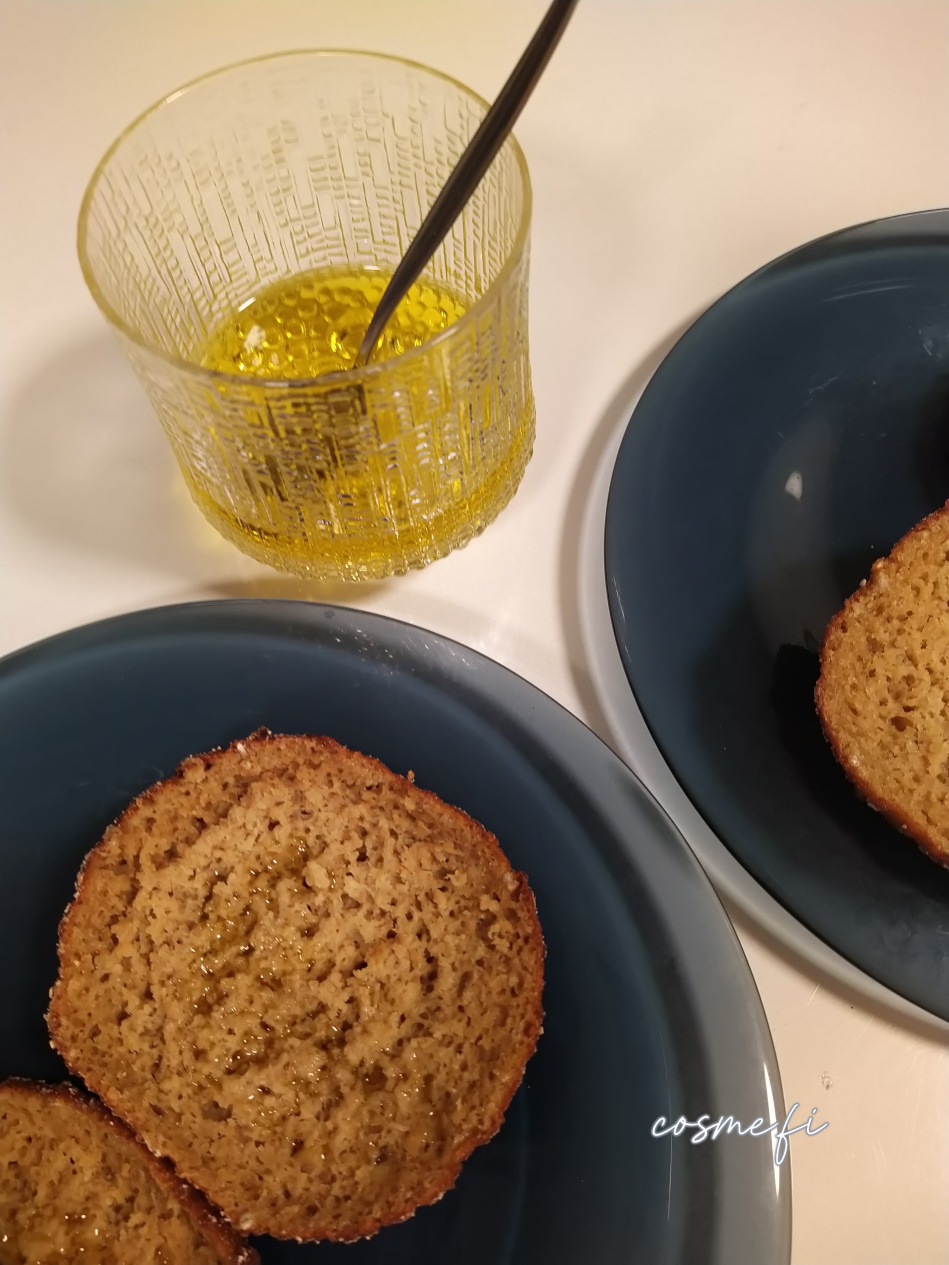
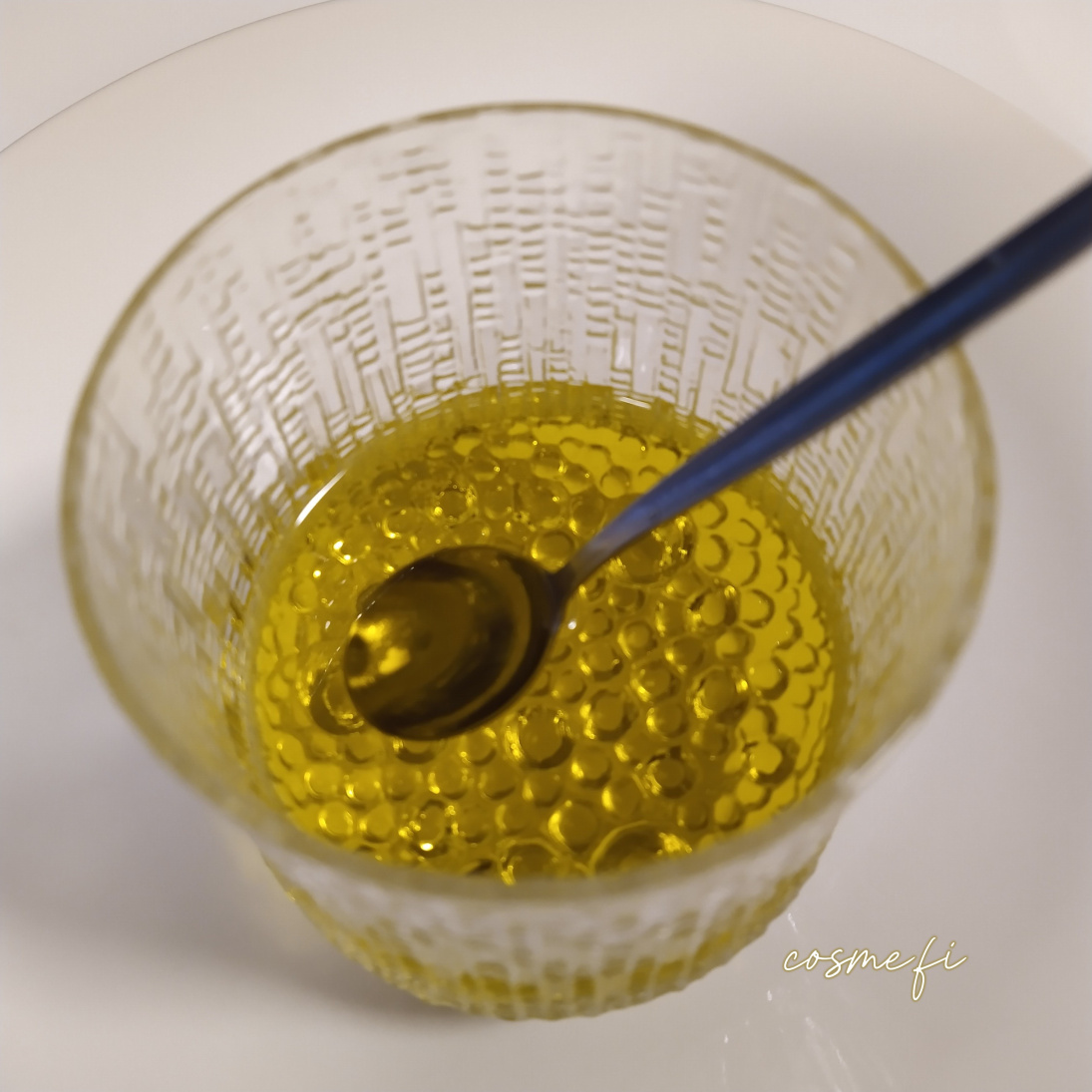
Two teaspoons of oil on your breakfast bread, your heart will thank you.
Main Page > Home Kitchen SiriSiri > Cereal Products
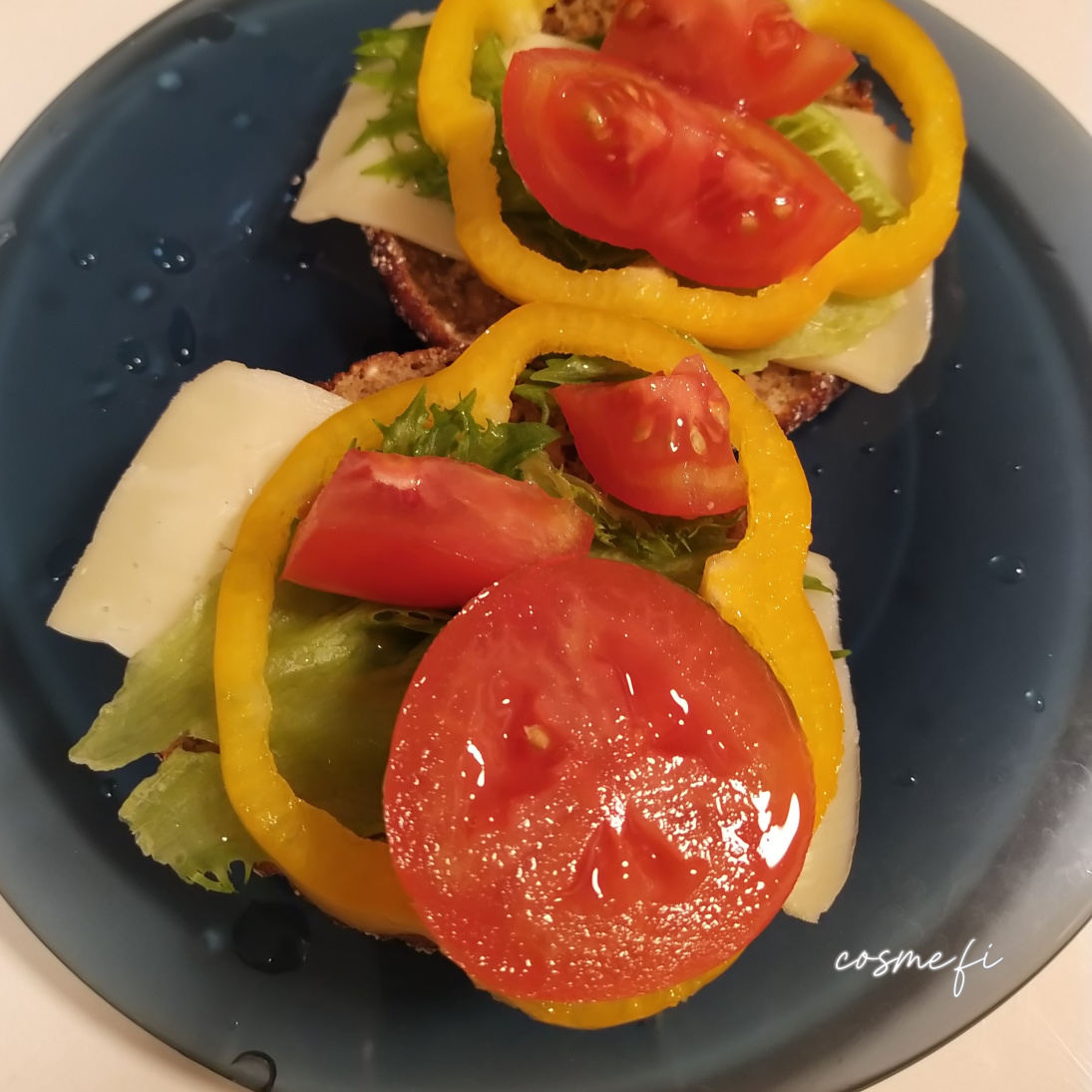
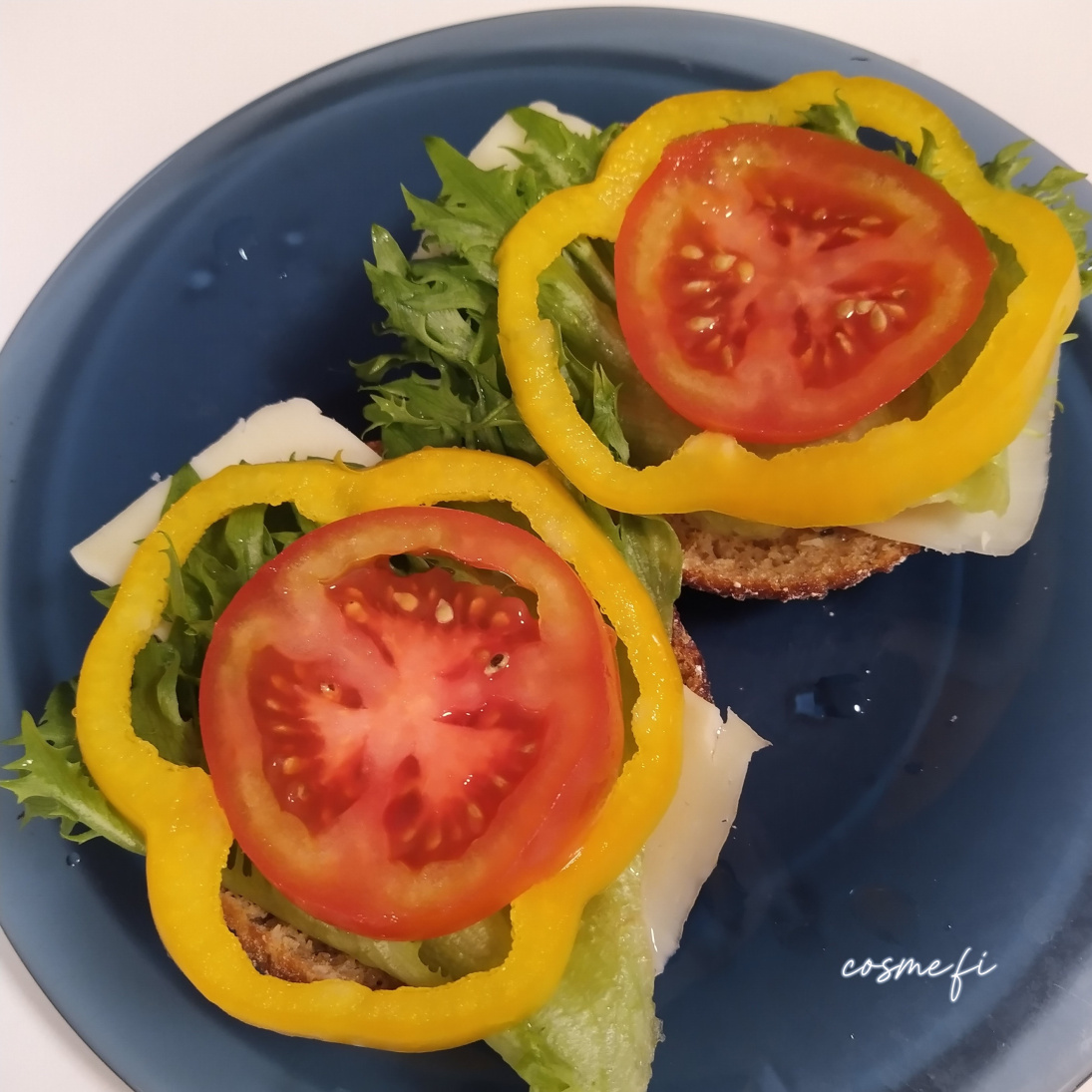

Good morning, heartily!
Two teaspoons of oil on your breakfast bread, your heart will thank you.
Olive Oil:
Nutrient Goal
Energy kcal 884.0 kcal 44%
Energy kJ 3,700.0 kJ
Fat 100.0 g 141%
Saturated 14.0 g 63%
Monounsaturated 68.4 g 205%
Polyunsaturated 10.9 g 66%
Vitamin Goal
Vitamin A (RAE) 2.0 µg 0%
Vitamin E 11.9 mg 149%
Oat bread 100% oats
Ingredients: whole grain oats (flakes, flour, groats), water, syrup, yeast, iodized salt, thickener (E 466)? and preservative (E 200).
Nutritional value 100 g:
Energy 961 kJ / 228 kcal
Fat 4.0 g,
of which saturated 0.7 g
Carbohydrates 38 g,
of which sugars 3.7 g
Dietary fiber 7.0 g
Protein 8.5 g
Salt 1.1 g
WHOLE GRAIN OATS (flakes, flour, grits), water, syrup, yeast, iodized salt, thickener (E 466) and preservative (E200).
E200 - Sorbic acid
Additive group
Preservatives
Manufactured chemically. Sorbic acid also occurs naturally in rowan berries. Sorbic acid and its salts (sorbates) are effective against yeasts, molds and some bacteria, especially in acidic and slightly acidic foods. May be used in, among others, cheeses, drinks, desserts, jams, juices, dried fruits, packaged breads, vegetable and fish products. Maximum limits.
Acceptable daily intake (ADI)
For the total amount of E200 and E202 11 mg/kg/day
E466 - Sodium carboxymethyl cellulose, cellulose gum
Additive group
Emulsifying, stabilizing and thickening agents
Cellulose is found in the cell walls of plants. Chemically, it is a polysaccharide made up of glucose. Pure cellulose is a white, fibrous, highly absorbent substance. Microcrystalline cellulose is produced by treating cellulose or cotton with acid. Other substances are cellulose derivatives and are produced from cellulose by chemical processes. Thickeners and stabilizers. May be used in almost all foods where additives are permitted. No maximum limit.
Acceptable Daily Intake (ADI)
Not specified

