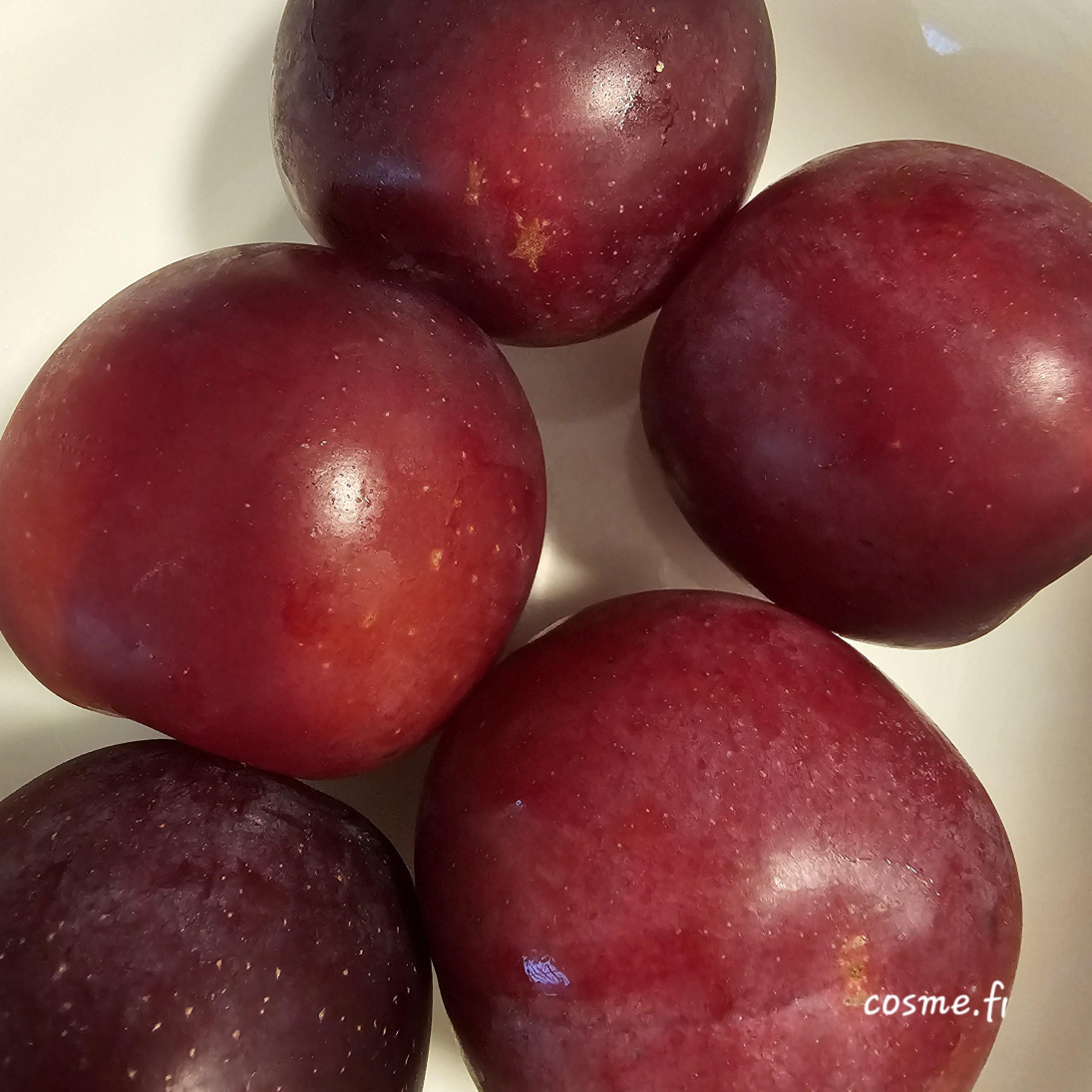
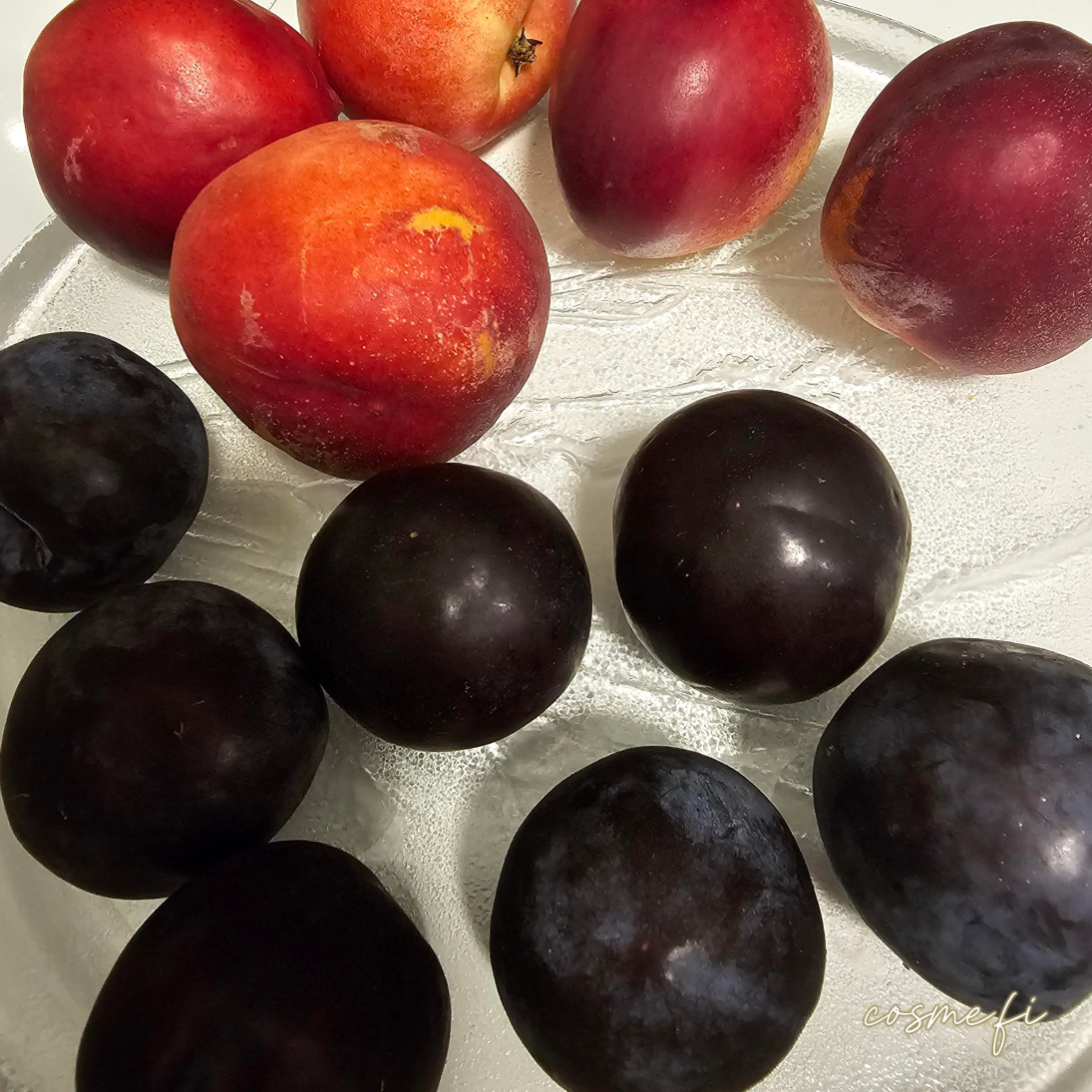
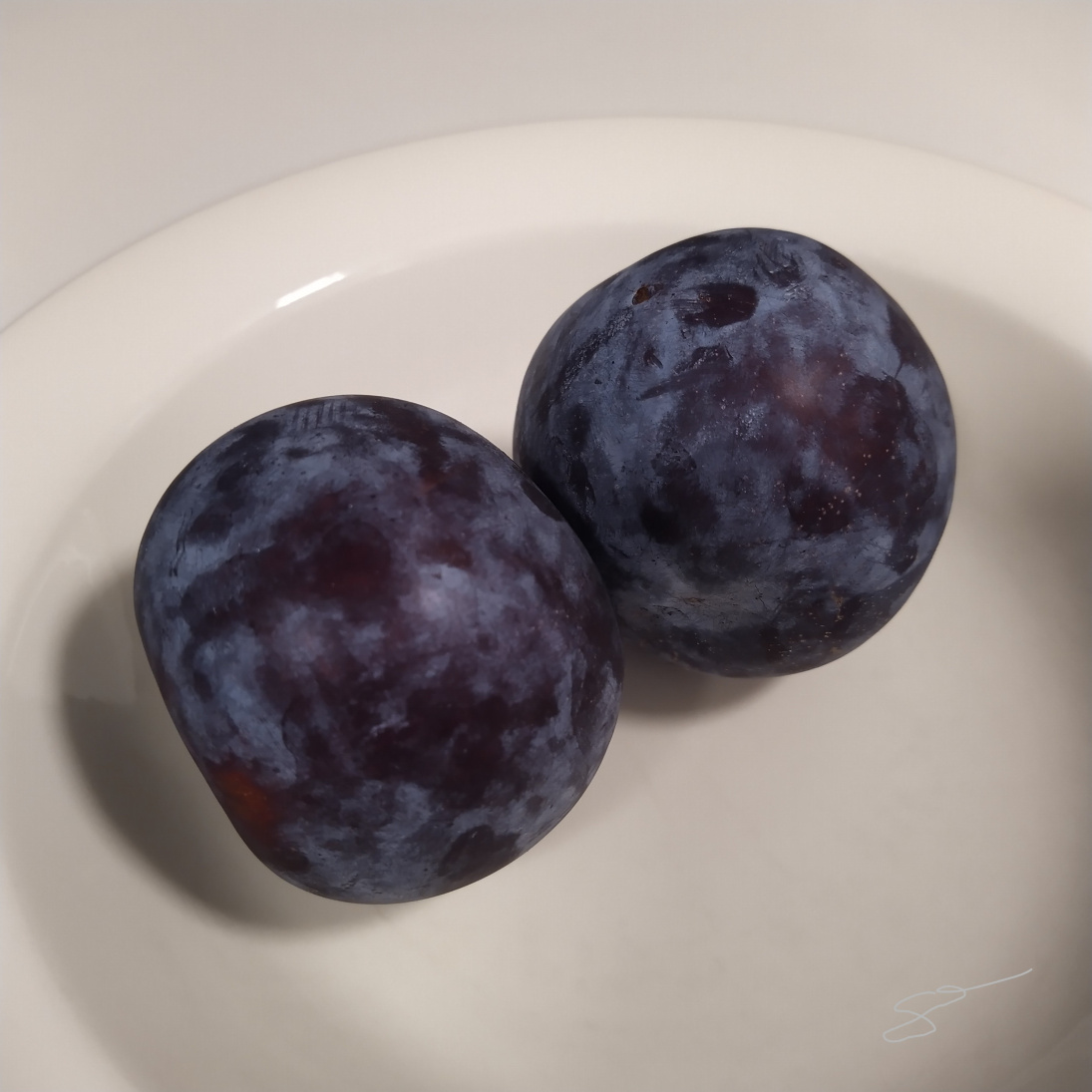
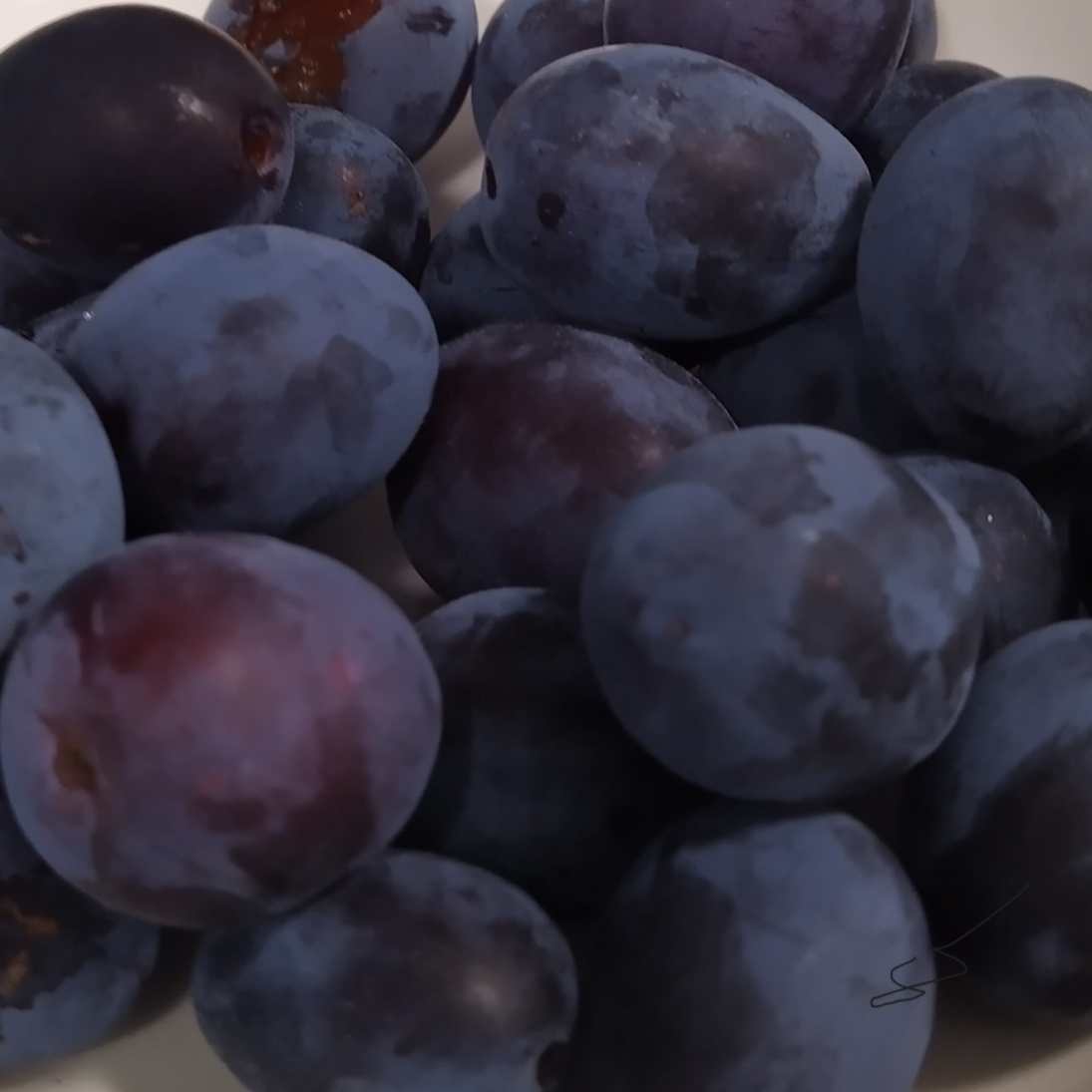
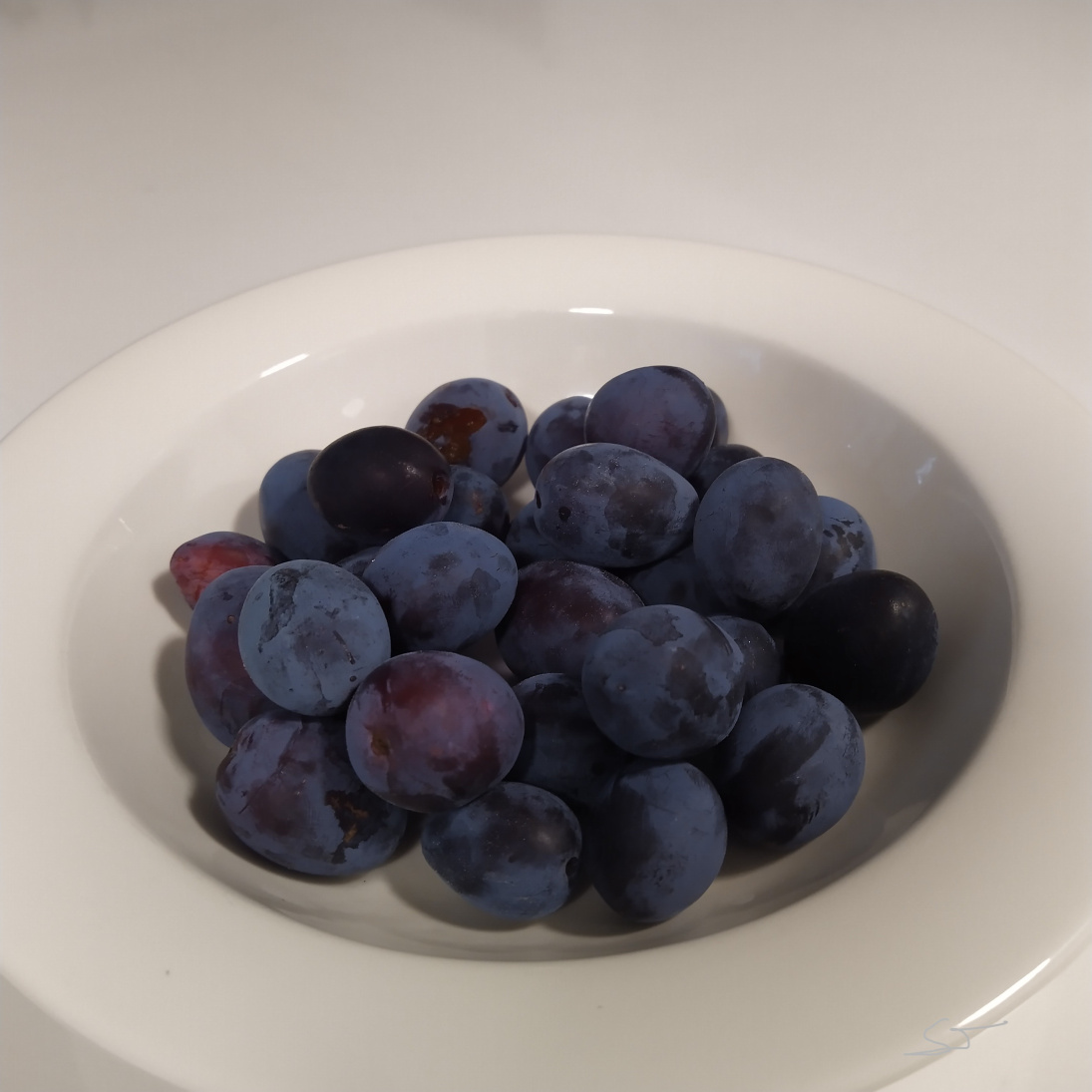
HSN26194 Prunus

Main Page > Vitamins - roles in the body > Fruits and berries

HSN26194 Prunus
HSN26194 Prunus
Dark plum Sweet lilac, Spain
Prunus domestica 'Sinikka'
HSN26194 Prunus
HSN26194 Prunus.
Vinkki: Luumun ravinteet imeytyvät parhaiten, kun ruokavaliossa on myös hyviä rasvoja (esim. pähkinät, siemenet, avokado). Ne auttavat rasvaliukoisten vitamiinien, kuten A-vitamiinin, imeytymisessä.
Manufacturer
Product code
HSN26194

Plums, especially the domestic variety Prunus domestica 'Sinikka', are not only delicious but also full of health benefits.

Health benefits of plums
- Digestion: Plums are rich in dietary fiber, which promotes bowel function and prevents constipation. Dried plums (prunes) in particular are known for their laxative properties.
- Blood sugar control: The low glycemic index of plums means that they raise blood sugar slowly. The fiber also helps balance blood sugar levels, making plums a good option for diabetics.
- Heart health: Plums contain potassium, which relaxes blood vessels and improves blood circulation. This can help lower blood pressure and reduce the risk of heart disease.
- Cholesterol: Plums help reduce the accumulation of harmful cholesterol and cleanse blood vessels of toxins.
- Bone and joint health: The anti-inflammatory properties of plums can support bone health and relieve symptoms of osteoarthritis.
- Skin care: Plum paste can be used externally to promote wound healing and soften the skin. Plums also have antibacterial and antioxidant properties.

What about the 'Sinikka' variety?
'Sinikka' is a Finnish, cold-resistant plum variety that produces small, blue and sweet fruits. Although the health benefits are largely the same as other plums, 'Sinikka' is especially valuable in the home garden - it thrives in Finnish conditions and provides locally produced nutrition.

Health benefits of the dark color
The deep blue-violet color of the Sinikka plum is not only aesthetic - it indicates a high content of anthocyanins, which are antioxidants belonging to the flavonoid group. Such compounds are also found in dark grapes, blueberries and chokeberries.

What are the benefits of anthocyanins?
- Antioxidant effect: Protects cells from oxidative stress and prevents inflammation.
- Heart health: May improve blood circulation and reduce blood vessel stiffness.
- Brain health: Studies suggest that anthocyanins may support memory and cognitive function.
- Cancer risk reduction: Antioxidants may help prevent cell mutations.
- Blood sugar control: Dark polyphenols may improve insulin sensitivity.

So the blueberry is much more than just a garden ornament – it’s a nutritious, antioxidant-rich, and versatile part of a healthy diet.

How to make the most of plum nutrients
1. Eat fresh and ripe
- Ripe plums contain the most vitamins and antioxidants.
- Avoid overripeness – then the nutrients start to break down.
- Fresh plums are a particularly good source of vitamin C, which is sensitive to heat.
2. Eat with the peel
- The plum peel contains most of the anthocyanins (dark-colored antioxidants).
- Peeling reduces the amount of flavonoids and fiber
3. Use in a variety of ways
- Add plums to porridge, yogurt or smoothies – this way you get fiber and sweetness without added sugar.
- Use plums also in savory dishes, such as casseroles – their sweetness balances flavors and adds depth.
4. Dried plums (prunes)
- An excellent source of fiber and potassium.
- Particularly suitable for intestinal well-being.
- Remember: dried plums are concentrated, so the sugar content is higher – enjoy in moderation.
5. Avoid over-processing
- Prolonged cooking or frying destroys vitamin C and sensitive polyphenols.
- Jams and juices are delicious, but they retain fewer nutrients – use fresh ones instead.
6. Store correctly
- Store plums in a cool place, but not in the refrigerator, if they are not fully ripe – this way they ripen peacefully and retain their nutrients.
- Ripe plums can be stored in the refrigerator for a few days.

Tip: Plum nutrients are best absorbed when the diet also includes good fats (e.g. nuts, seeds, avocado). They help in the absorption of fat-soluble vitamins, such as vitamin A.

tech

You've Been Interested

Pineapple
Pineapple, peeled Ananas comosus... 
HNP26239 Pear
A pear is healthy and sweet and a good low-calorie source of dietary fiber. - Vitamins A, B, C, and E, folic acid, potassium, minerals... 
HVR26740 Blood orange
Italian delights: The best blood oranges are said to grow in Sicily, in the volcanic soil of Mount Etna, high above sea level. 
tech
Helena Penttilä
Helena Penttilä
helena.penttila@cosmeshop.fi

Powered by Clover Shop®