Finnish people most often add cream to the dishes they prepare.
We get excellent recipes from everywhere that end with: 'and finally, two and a half deciliters of cream.'
An incredibly large portion of the population, including young people, has cholesterol problems, often without even knowing it.
No one mentions that by challenging your cooking skills, you could significantly reduce cholesterol problems, or at least delay the need to start cholesterol medication until a much later age.
By challenging yourself to adopt healthier cooking methods, you will soon notice that you are eating even tastier food compared to before.
Cream
Main Page > Home Kitchen SiriSiri > Eggs and dairy products
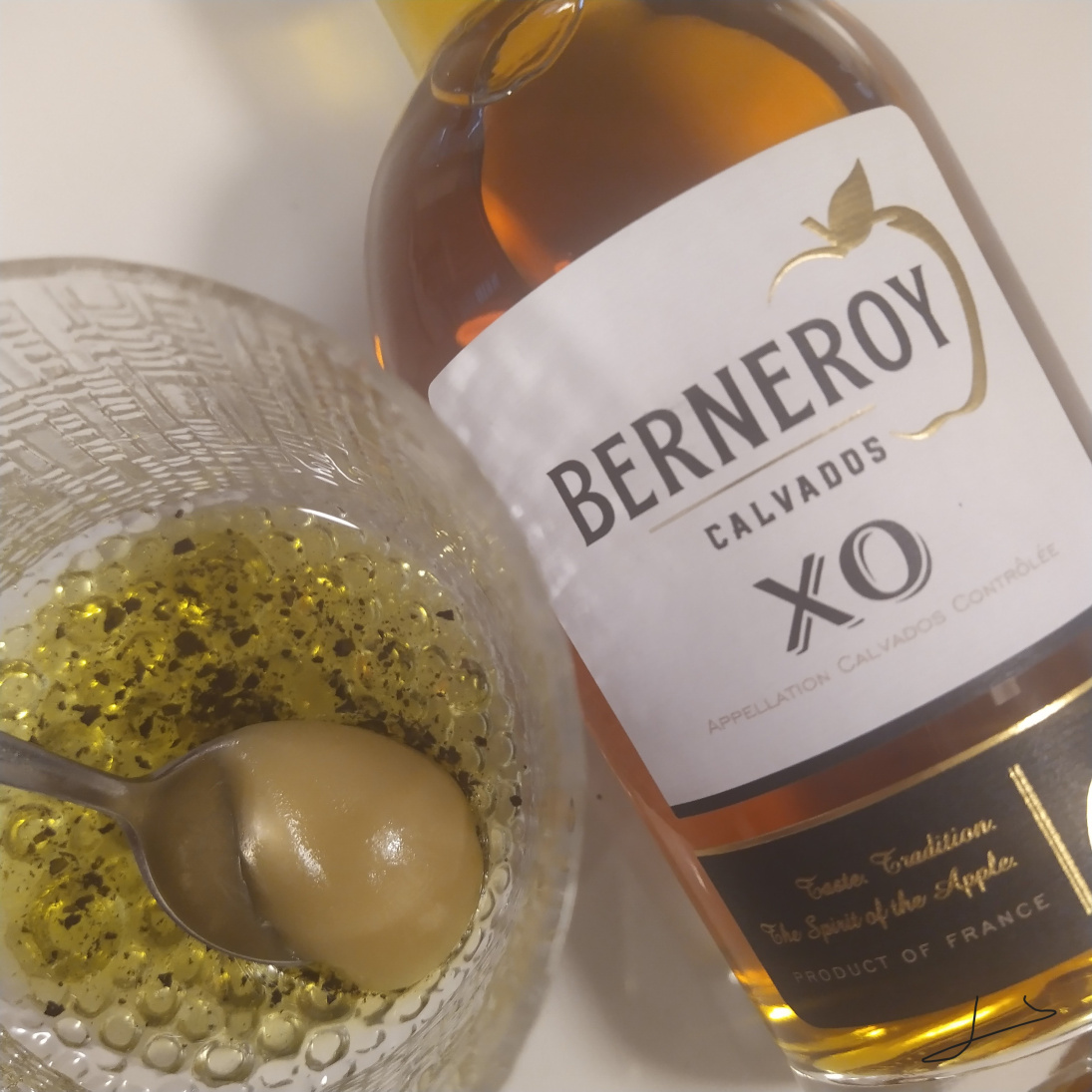
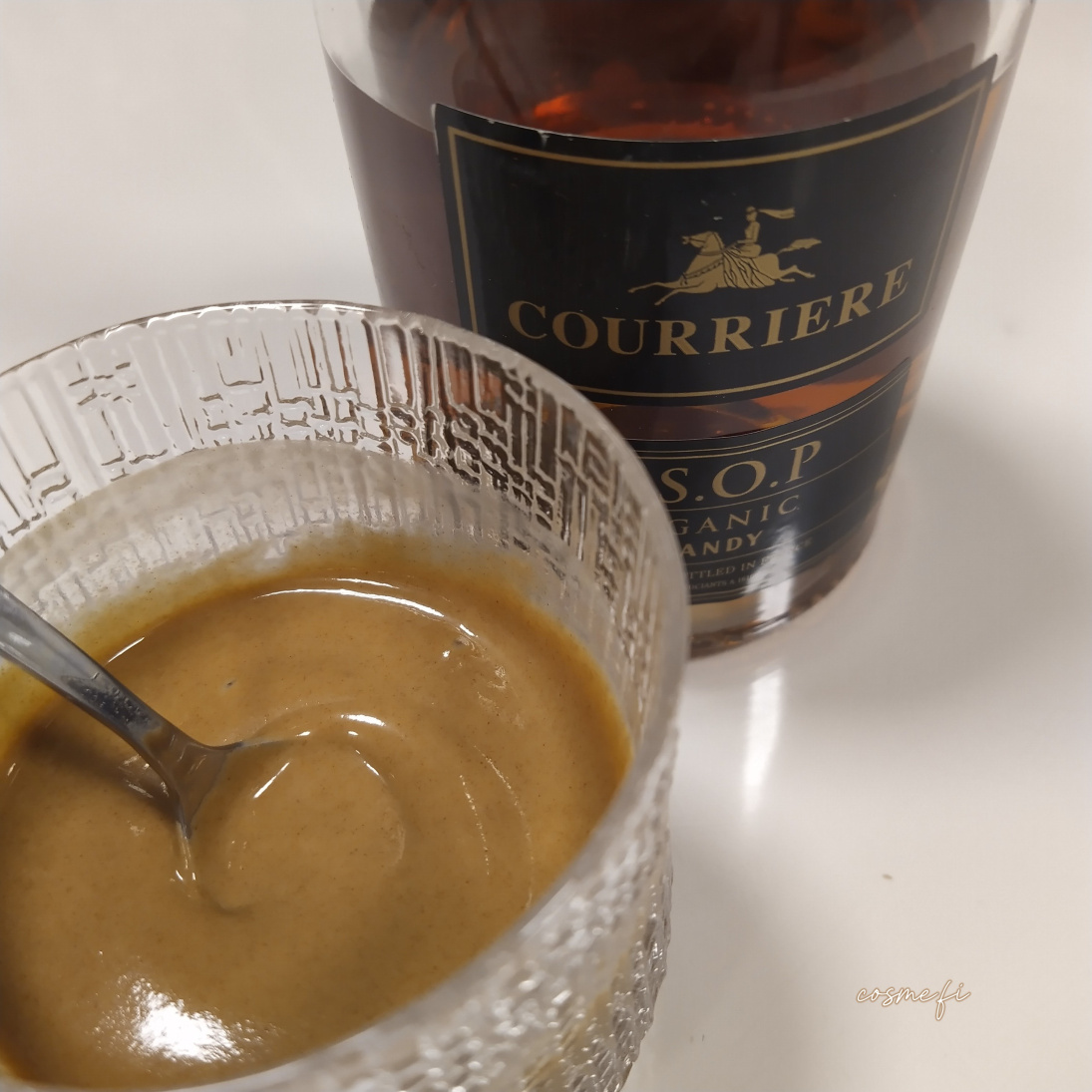
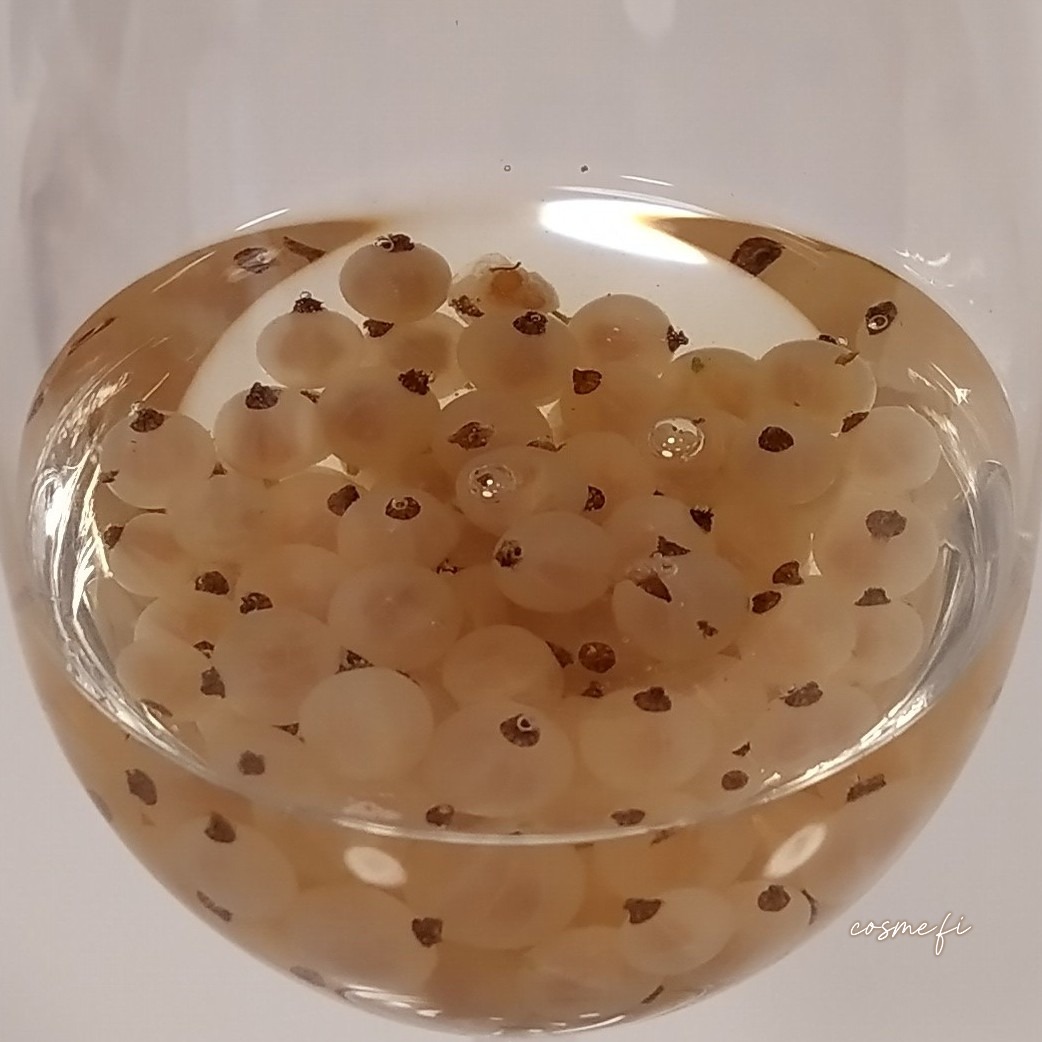
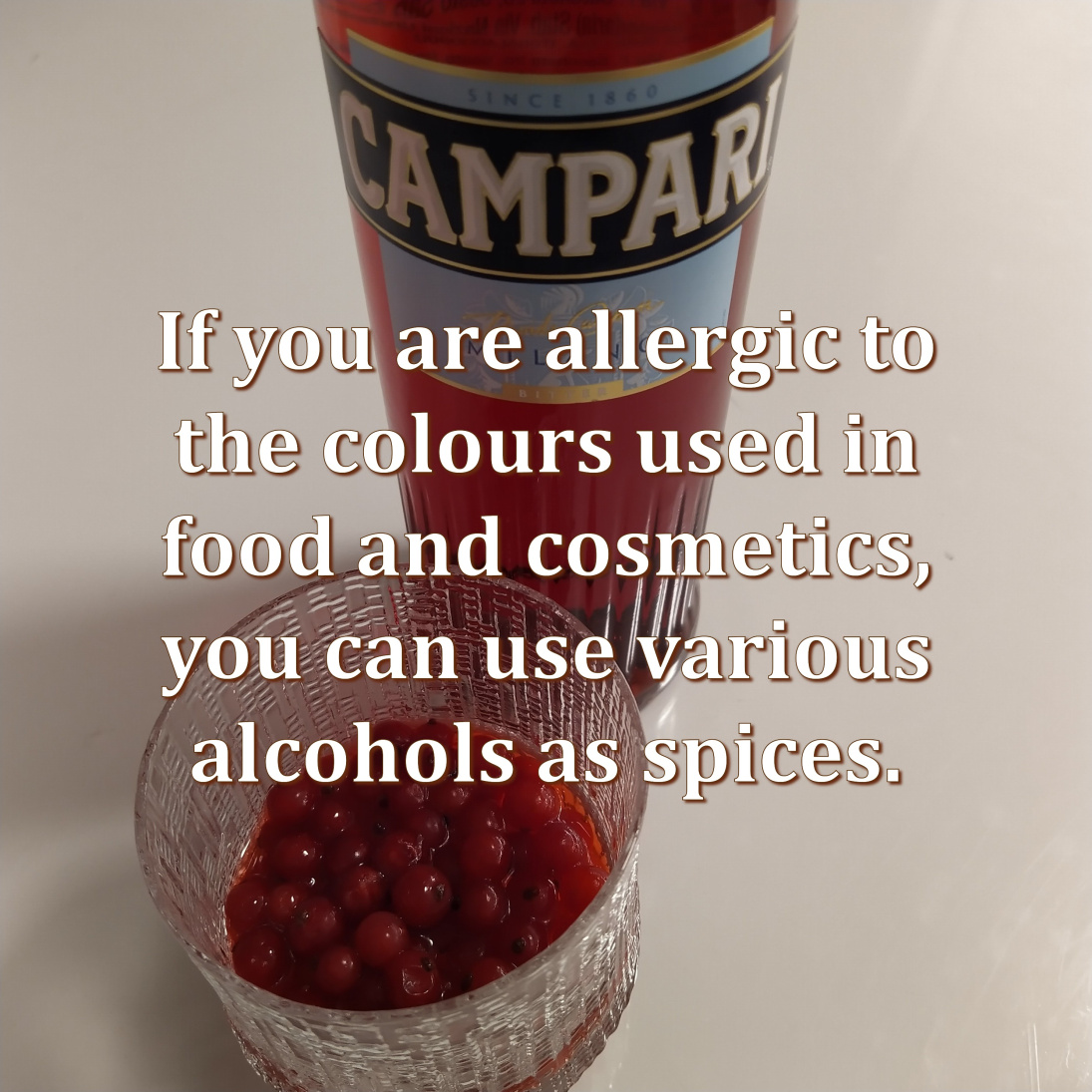
Different types of alcohol.
All hard fats can be replaced with soft fats in cooking.
You can challenge yourself to season foods easily and simply, but in a tasty way.
By adding herbs in seasoning, we can reduce the amount of salt in foods, which clearly affects blood pressure levels.
Lemon, white and red wine vinegars, and various types of alcohol (alcohol content disappears at 70 degrees Celsius) as additional seasonings give everyday food a sense of luxury and elevate the flavor to a higher level.
If the cream has 42-40 percent fat, it does not need to be homogenized, as it has a naturally rich texture. It can also be frozen and foams quickly and does not curdle in an acidic environment.
Sour cream
Smetana, or soap cream, is sourdough from Russian cuisine. Finnish smetana has 42 percent fat. Smetana withstands heating well and foams when whipped.
French cream (crème fraîche) is made using sourdough from French cuisine. Finnish crème fraîche usually has a fat content of 28 percent. Finnish crème fraîche may also contain modified cornstarch and thickeners such as guar gum, locust bean gum and pectin. French cream is used, for example, in soups, pasta and pies, as well as in cold sauces and pastes. It cannot withstand prolonged heating.
Despite its name, sour cream is sour cream with a fat content of 10 percent. It is used, for example, in cold sauces, dips, doughs, and fillings for sweet and savory pies.
Home Kitchen is not responsible for any errors in the information or for any damages resulting from them.
Additives:
The thickening agent carrageenan (E407) was added to Finnish cream in 2015. The use of carrageenan allows the cream to be stored for longer. Creams that keep the longest are high-temperature pasteurized (ESL treatment) or ultra-high-temperature (UHT treatment). However, heat treatments do not prevent the fat from separating from the cream during long-term storage. For this reason, carrageenan must be added to cream with a long shelf life. Ultra-high-temperature treatment is the most common cause of the need to add carrageenan.
Some whipping creams are still additive-free. Organic cream is also often additive-free.
The properties of low-fat cream are often improved by adding milk powder, chemically modified corn and tapioca starch, or the thickening agent carrageenan.
Guar gum, locust bean gum, or pectin may also be added to sour cream.
:::::::::::::::::::::::::::::::::::::::::::::::
Nutritional values for cream (per 100 g) are as follows:
Whipping cream (38% fat): Calories 356 kcal, Fat 38 g, Carbohydrates 3 g, Protein 2 g.
Coffee cream (10% fat): Calories 120 kcal, Fat 10 g, Carbohydrates 5 g, Protein 3 g.
General nutritional information: Cream contains a high amount of fat and calories, so it should be used sparingly.
:::::::::::::::::::::::::::::::::::::::::::::::::
Light coffee cream (10% fat) per 100 g contains about 120 kcal (502.3 kJ) of energy, with 10 g of fat (7.1 g saturated, 2.4 g monounsaturated, 0.2 g polyunsaturated), 4.5 g of carbohydrates (all from sugars), 3.1 g of protein, 0.1 g of salt, and 0.2 g of organic acids.
It provides vitamins such as Vitamin A (100.8 µg, 14%), Riboflavin B2 (0.2 mg, 14%), Vitamin B12 (0.3 µg, 15%), Vitamin C (0.9 mg, 1%), Vitamin D (0.1 µg, 1%), Vitamin E (0.3 mg, 3%), Folate B9 (7.0 µg, 2%), and Niacin B3 (0.1 mg, 1%).
Minerals include Phosphorus (100 mg, 17%), Iodine (10 µg, 7%), Potassium (120 mg, 4%), Calcium (100 mg, 13%), Magnesium (10 mg, 4%), Sodium (27 mg), Iron (0.1 mg, 0%), Selenium (2.7 µg, 5%), and Zinc (0.3 mg, 5%).

You've Been Interested

Green bell pepper is a nutritious vegetable that offers many health benefits, including being rich in...
