
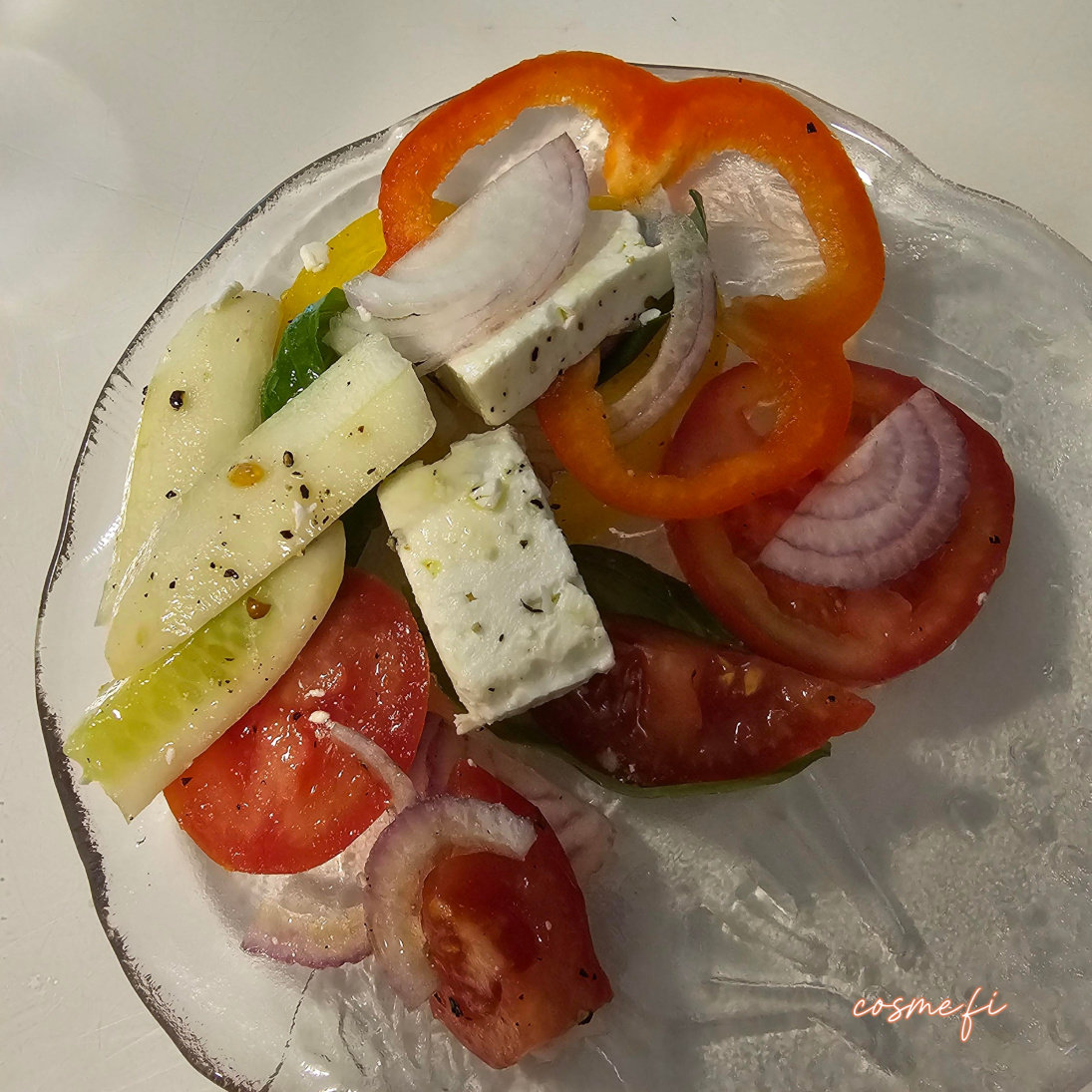
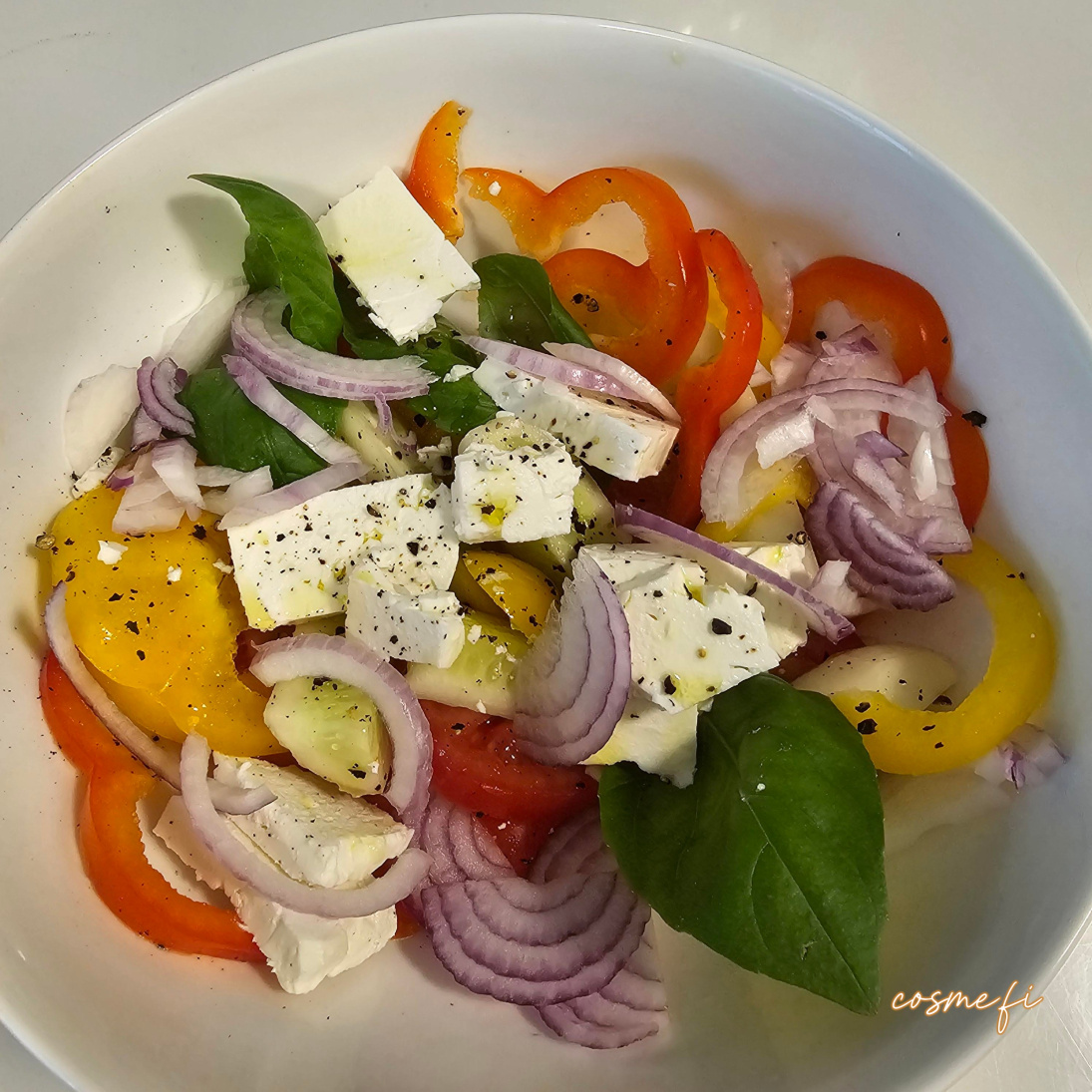
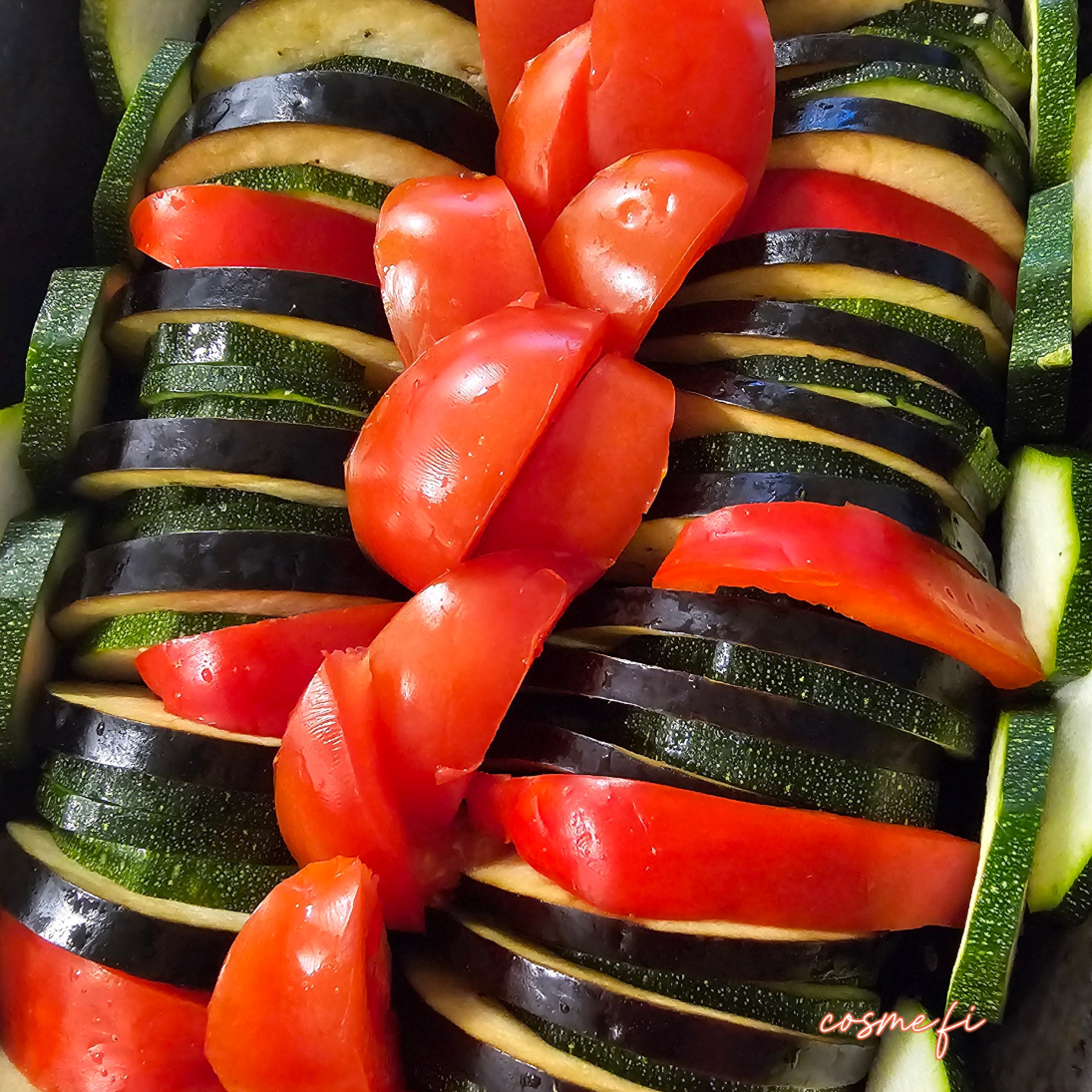
Bell peppers are not just a colorful addition to your plate – they are a real health bomb.
Health benefits of bell peppers
• Vitamin C powerhouse
Yellow bell peppers can contain up to five times more vitamin C than oranges. This strengthens the immune system, helps fight infections, and promotes skin health.
• Antioxidants protect your cells
Bell peppers contain beta-carotene, lutein, and zeaxanthin, which combat free radicals and reduce inflammation.
• Good for the skin
Carotenoids may help prevent premature skin aging and improve surface blood circulation – even assist in acne treatment.
• Light and high in fiber
One bell pepper contains only about 30 kcal and is rich in fiber, which supports digestive health and helps with weight management.
• Nutrients that support heart health
Potassium and antioxidants may help lower blood pressure and improve cholesterol levels.
• Vitamin A for eye support
Red bell pepper is especially a good source of vitamin A, which supports vision, particularly in low light.
Bell peppers can be enjoyed raw, roasted, stuffed, or even in soups – and each color brings slightly different nutrients.
Bell peppers are delicious both raw and cooked, but heat treatment affects their nutrient content in slightly different ways:
Nutrient retention in bell peppers when heated
• Vitamin C – sensitive to heat
Bell peppers are known for their high vitamin C content, but unfortunately, this vitamin is heat-sensitive. When heated, especially for a long time or at high temperatures, vitamin C can be lost by up to 50–70%.
• Carotenoids – more heat-stable
Beta-carotene, lutein, and zeaxanthin – these antioxidants withstand heat better. In some cases, heating can even improve their absorption in the body, as cell walls soften and release nutrients more easily.
• Fiber and minerals – fairly stable
Dietary fiber and minerals such as potassium and magnesium remain well during heating. They do not break down in heat, so bell peppers remain a good source of fiber and trace elements even when cooked.
• Flavor profile changes
Heating brings out the sweetness of the bell pepper and softens its texture. For example, oven-roasted bell pepper develops a deep, slightly smoky flavor that is particularly suitable for soups and sauces.
Tips for preserving nutrients
• Cook bell peppers briefly and over low heat – for example, steaming or quick sautéing retains more nutrients than long simmering.
• Add bell peppers at the end of cooking if you want to preserve their vitamin C.
• Use raw bell peppers in salads or as dipping vegetables to get the full benefit of their vitamins.

