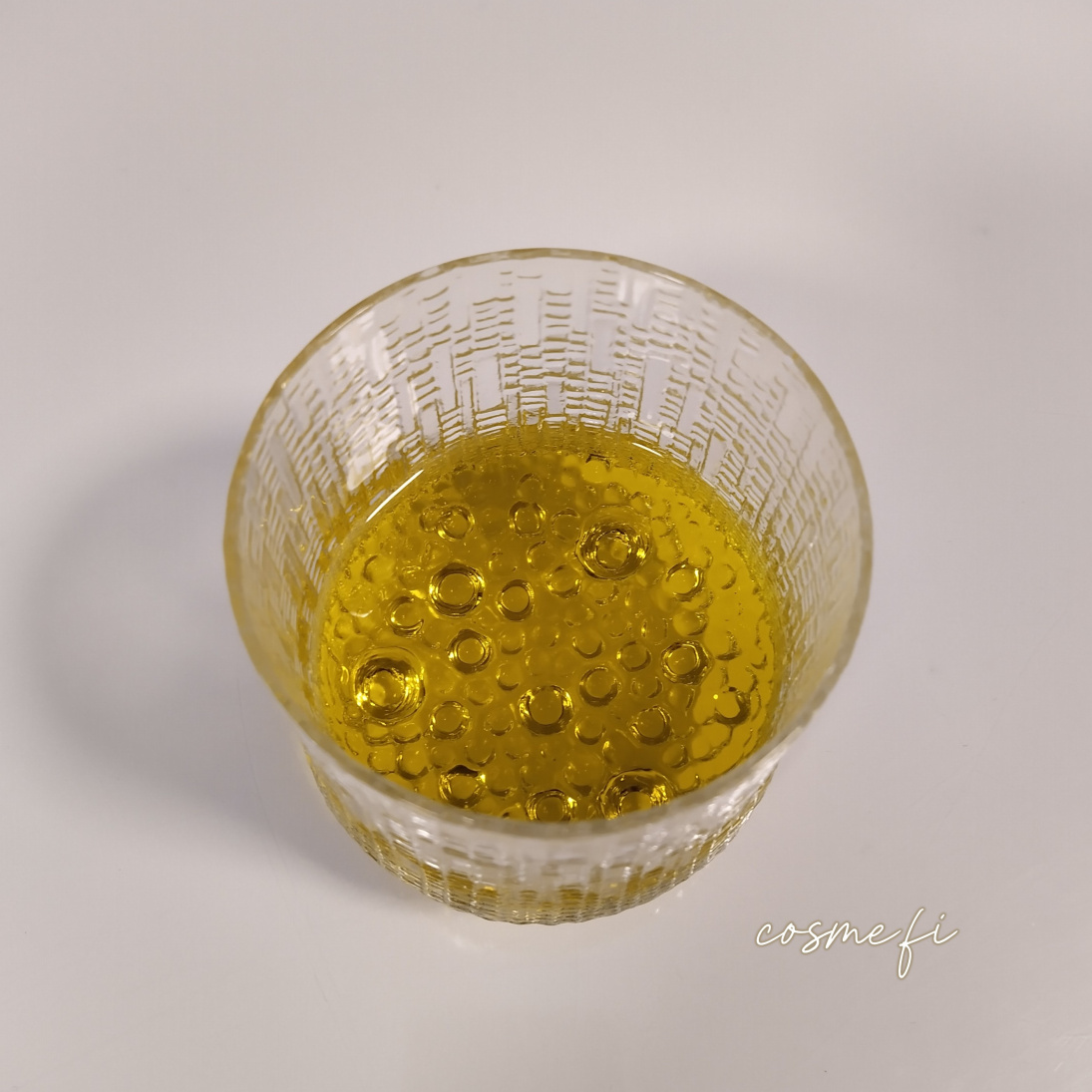
Oleocanthal is a natural polyphenol compound found almost exclusively in extra virgin olive oil. It's especially known for two main traits:
- Anti-inflammatory effects, similar to how ibuprofen works (inhibiting COX‑1 and COX‑2 enzymes).
- Antioxidant effects that protect cells from oxidative stress.
Oleocanthal
- Can help reduce low-grade inflammation and support the body's normal defense mechanisms.
- Gives high-quality olive oil its characteristic throat-stinging sensation.
- Studies have shown it can affect cancer cell activity in the lab, but this doesn’t mean it should be used medically.
Oleocanthal is found in the highest amounts in fresh, high-quality extra virgin olive oil, especially early-harvest oils. Concentrations can vary widely (about 25–350 mg/kg).
Antioxidants mediate the main anti-inflammatory effects, the most important of which is oleocanthal, which has been shown to work in the same way as ibuprofen, an anti-inflammatory drug. Some scientists estimate that the oleocanthal in 50 milliliters of extra virgin olive oil has a similar effect to 10 percent of an adult dose of ibuprofen.
Oleocanthal = the anti-inflammatory polyphenol in olive oil.
Effects of oleocanthal in the body:
Strong anti-inflammatory effect; works similarly to ibuprofen by blocking COX‑1/COX‑2 enzymes.
Contributes to the overall antioxidant effect of olive oil.
Gives the oil its characteristic “throat sting.”
Studies have found positive effects on inflammation markers and oxidative stress.
Oleocanthal and oleic acid are both compounds found in olive oil, but they are completely different types and affect the body in different ways. Oleocanthal is a polyphenol, whereas oleic acid is a fatty acid. This makes their effects, structures, and uses very different.
Chemically:
- Oleocanthal: a polyphenolic compound (secoiridoid) that is part of the phenolic components of olive oil.
- Oleic acid: a monounsaturated omega‑9 fatty acid that makes up the majority of olive oil's fat (55–80%).
Oleocanthal is found only in extra virgin olive oil, especially from early harvests and high-phenolic varieties.
Oleic acid can be found in almost all plant and animal fats, but is particularly abundant in olive oil and high-oleic sunflower oils (80%+).
In olive oil - Oleocanthal affects health benefits (anti-inflammatory, antioxidant). - Oleic acid affects the oil's structure and shelf life (heat resistance, prevention of oxidation, taste).