Oleacein = the most antioxidant-rich polyphenol in olive oil.
Home Kitchen SiriSiri
Fruits and berries
Root vegetables and vegetables
Vegetable-focused foods and salads
Oils and herbs
Fish and seafood
Meat
Eggs and dairy products
Plant protein
Cereal Products
Oleacein
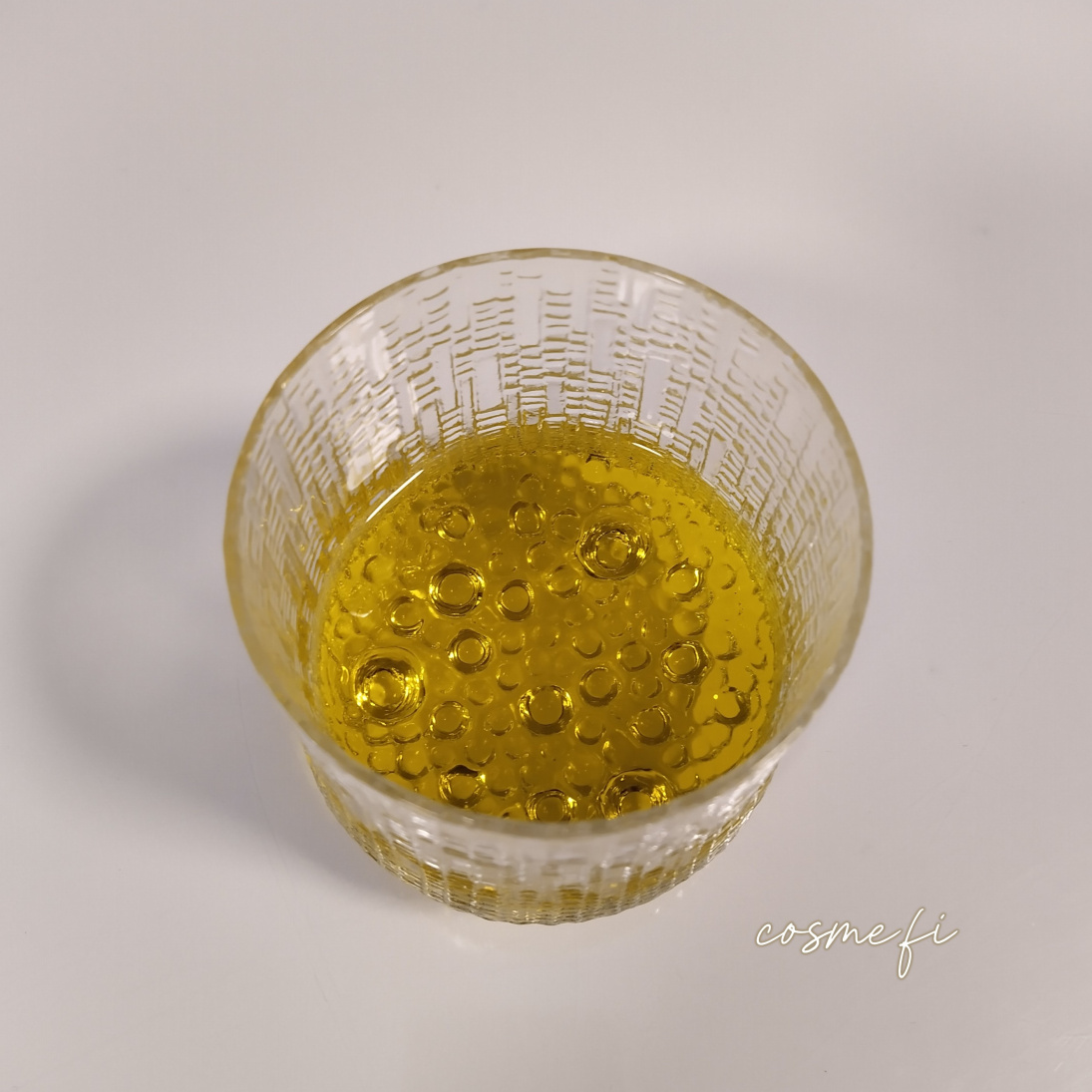
Studies using oleocanthal and oleacein-rich olive oil found positive effects on inflammatory and antioxidant status in people with obesity and prediabetes.
Oleocanthal:
- Strong anti-inflammatory effect (COX-1/COX-2 inhibition).
- Responsible for the "throat stinging" of olive oil.
- Studies have linked it to a decrease in inflammatory markers.
Oleacein:
- Very strong antioxidant, protects cells from oxidative stress.
- Affects vascular function and oxidative biomarkers.
- Partially acts as a precursor to hydroxytyrosol.
Oleocanthal and oleacein are the two most important phenolic compounds in extra virgin olive oil. Both belong to the secoiridoids, but their effect profiles are clearly different.
Chemically
- Oleocanthal – a secoiridoid, especially known for its anti-inflammatory effects.
- Oleacein – a secoiridoid, structurally close to oleuropein and hydroxytyrosol, stands out for its antioxidant effects.
Both are found only in extra virgin olive oil, particularly in early harvest and high-phenol oils. Concentrations vary greatly depending on the variety, harvest time, and pressing method.

