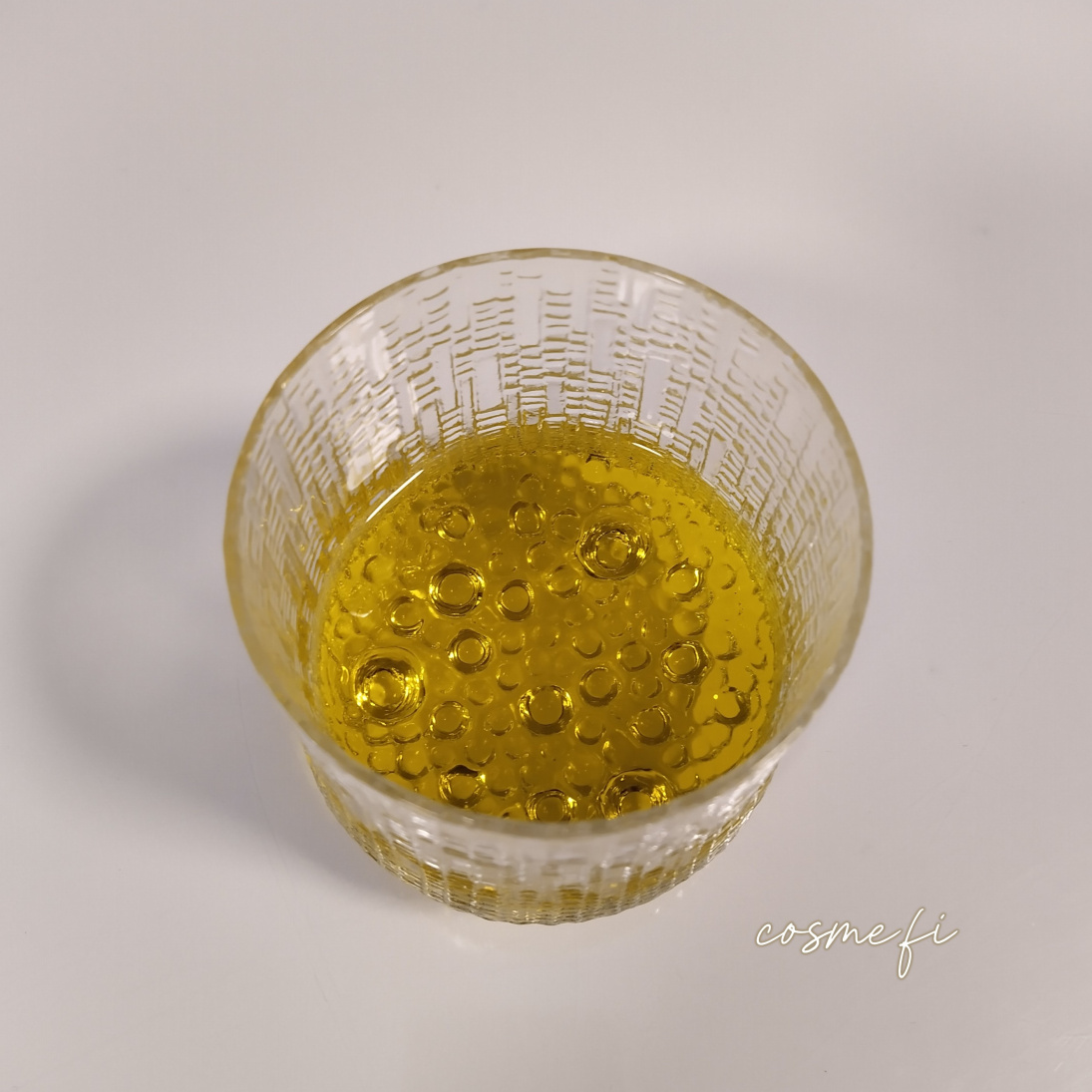
Oleic acid (oleate) is a monounsaturated omega‑9 fatty acid that is found in high amounts in both plant and animal fats. It is the most common fatty acid in living nature and one of the main fatty acids in olive oil.
- Chemical structure: C18:1 – one double bond (cis‑9‑octadecenoic acid).
- Sources: especially abundant in olive oil (55–80%) and canola oil (around 60%). It is also found in animal fats (20–50%).
- Properties: colorless liquid at room temperature, not soluble in water.
- Health benefits: omega‑9 fatty acids support cell health and may have positive effects on cognitive function and insulin sensitivity (there is research evidence, but no medical claims).
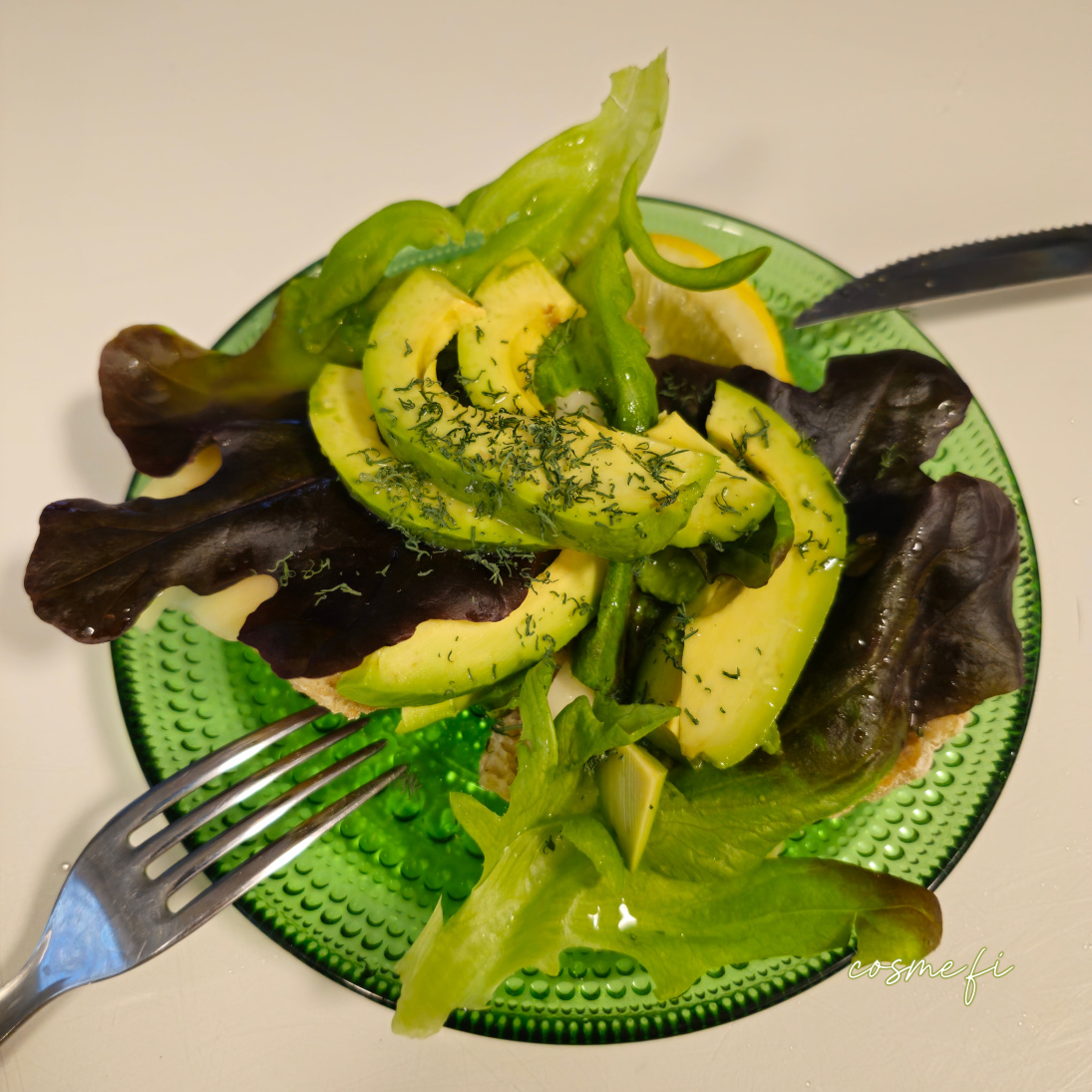
Oleic acid is an important part of healthy fats like olive oil and is linked to many of the benefits of the Mediterranean diet. It affects how cells function and is one reason why olive oil and avocado are considered “good fats.”
Oleic acid is believed to reduce inflammation and have beneficial effects on genes related to cancer. The monounsaturated fats in extra virgin olive oil also withstand high heat well, making it a healthy option for cooking.
Effects of oleic acid in the body:
Supports heart and vascular health because it’s a soft fat (monounsaturated).
Improves oil’s oxidation resistance and shelf life: high oleic acid content makes the oil more stable.
It’s not a polyphenol and doesn’t act as an antioxidant the same way phenolic compounds do.
Oleocanthal and oleic acid are both compounds found in olive oil, but they are completely different types and affect the body in different ways. Oleocanthal is a polyphenol, whereas oleic acid is a fatty acid. This makes their effects, structures, and uses very different.
Chemically:
- Oleocanthal: a polyphenolic compound (secoiridoid) that is part of the phenolic components of olive oil.
- Oleic acid: a monounsaturated omega‑9 fatty acid that makes up the majority of olive oil's fat (55–80%).
Oleocanthal is found only in extra virgin olive oil, especially from early harvests and high-phenolic varieties.
Oleic acid can be found in almost all plant and animal fats, but is particularly abundant in olive oil and high-oleic sunflower oils (80%+).
In olive oil - Oleocanthal affects health benefits (anti-inflammatory, antioxidant). - Oleic acid affects the oil's structure and shelf life (heat resistance, prevention of oxidation, taste).