Antioxidants are compounds that protect cells from oxidation, also known as oxidative stress. They neutralize free radicals, unstable molecules that can damage the structures of cells.
- Antioxidants act as the body's "shield" against oxidation.
- Some are produced by the body (e.g., glutathione), while others come from food (vitamins C, E, and A, zinc, selenium, polyphenols).
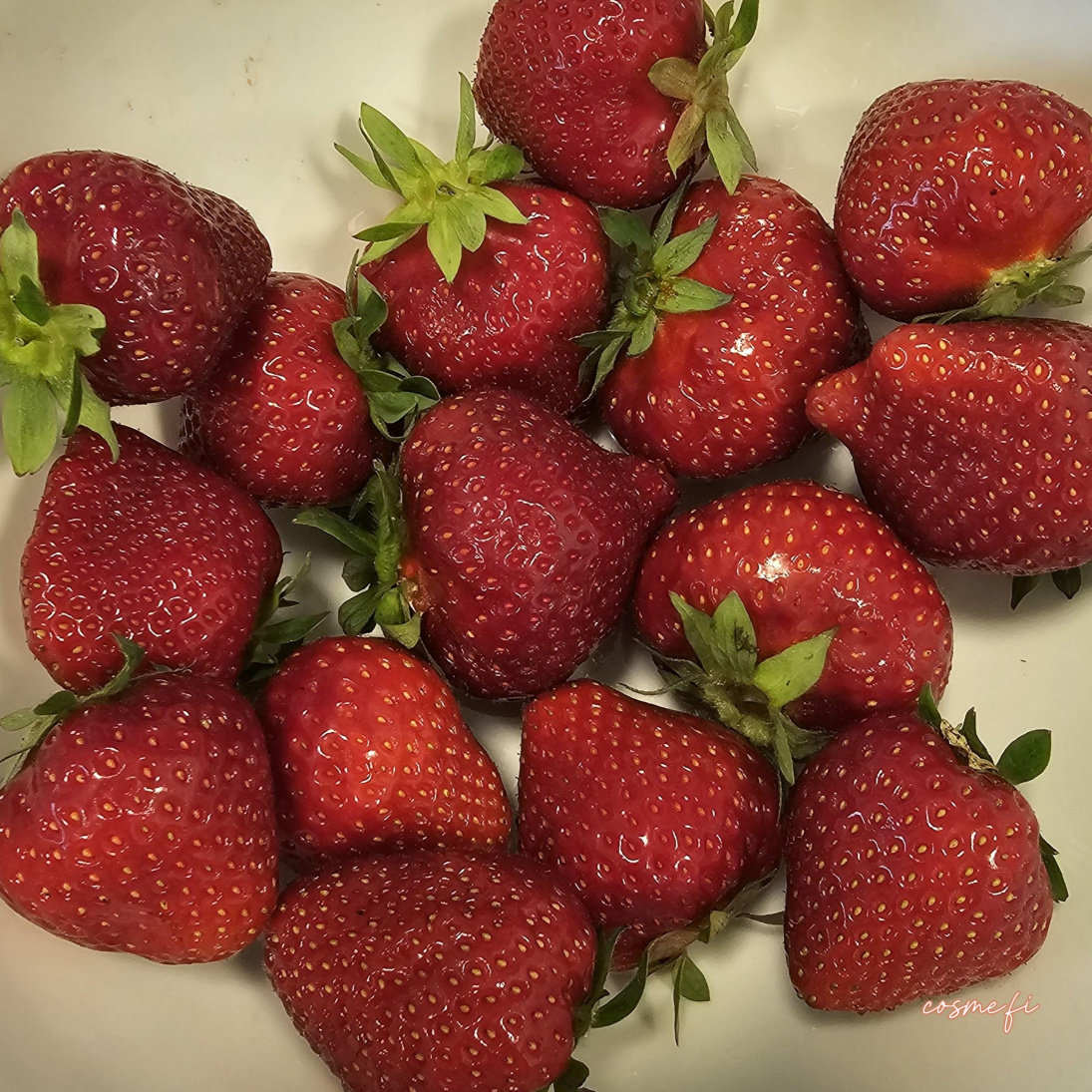
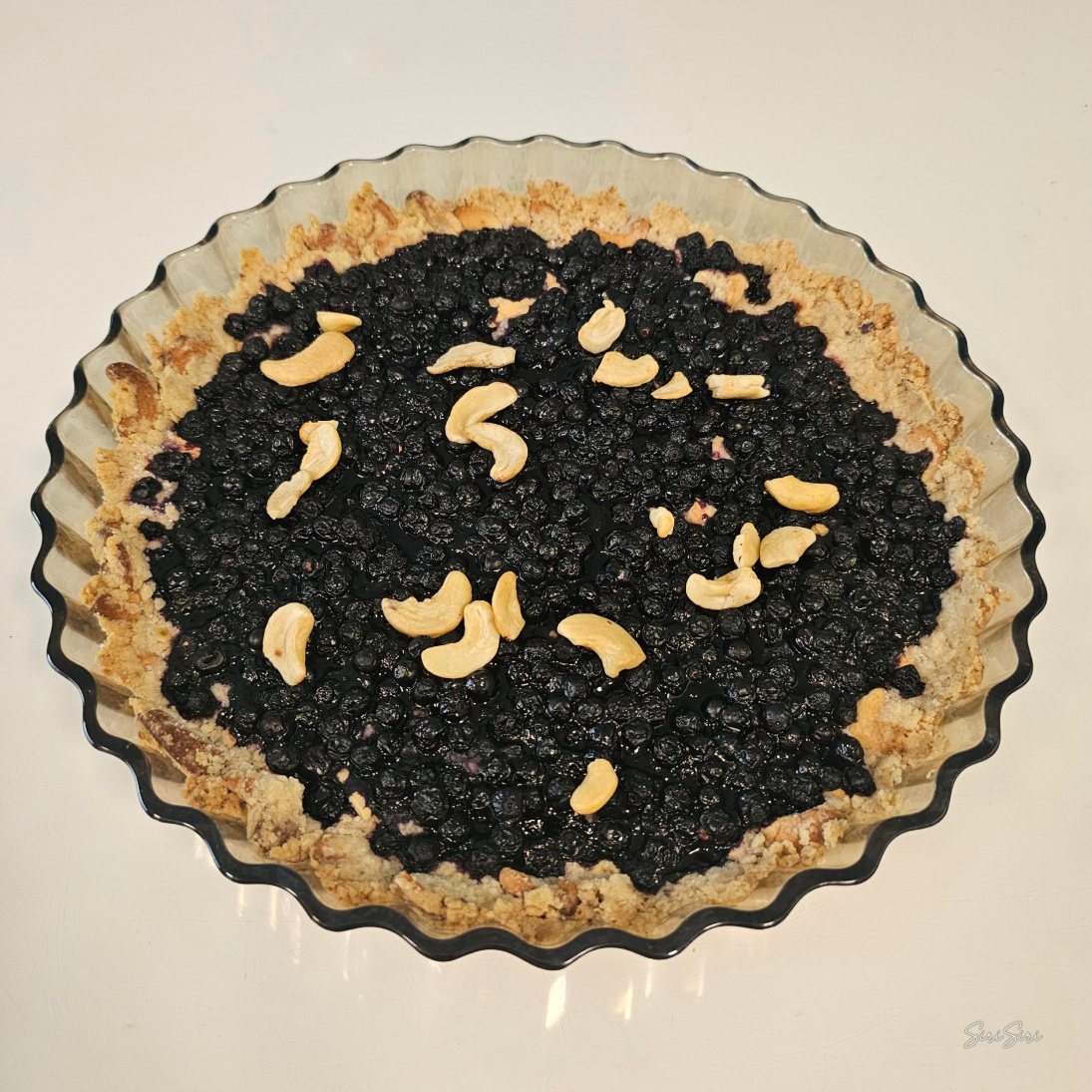
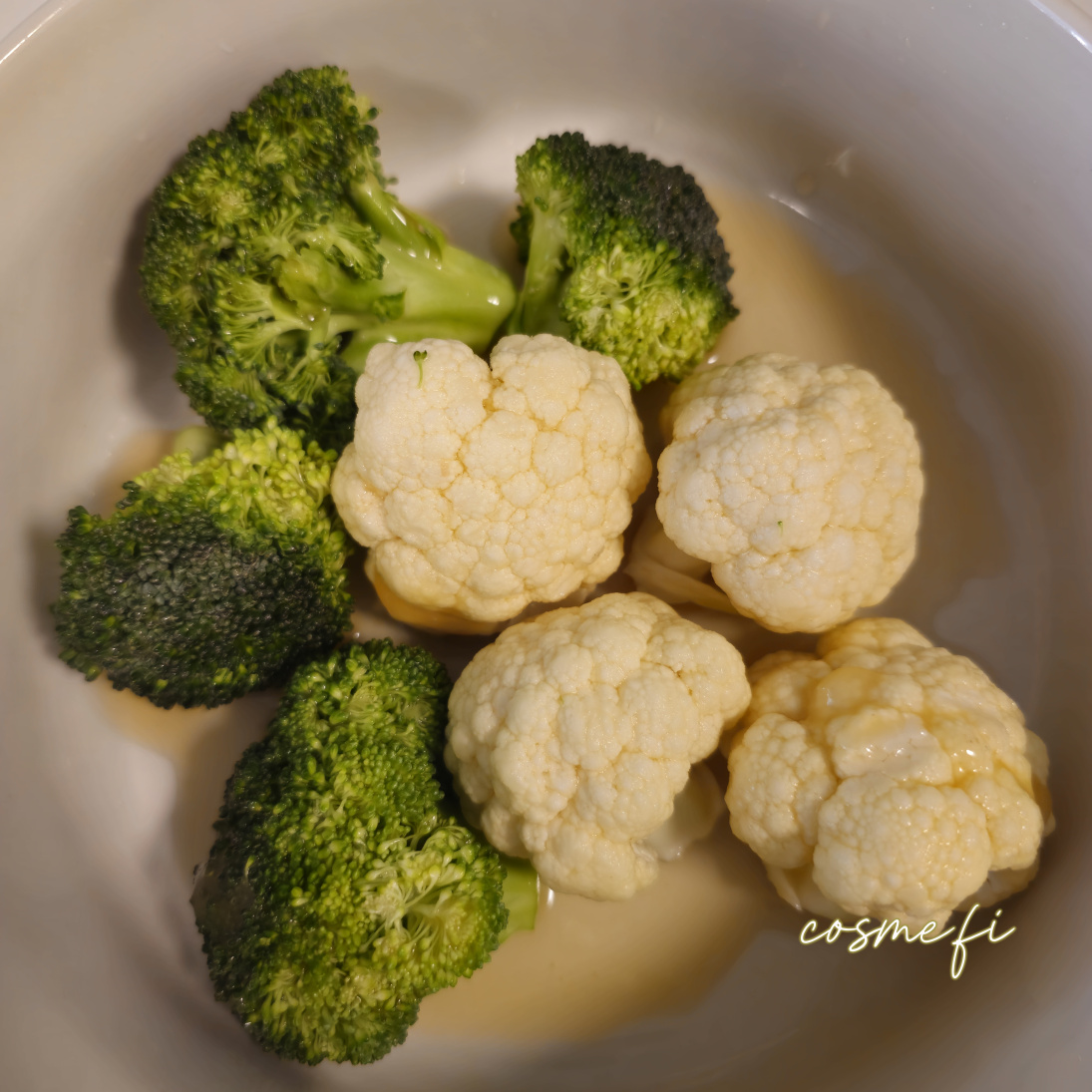
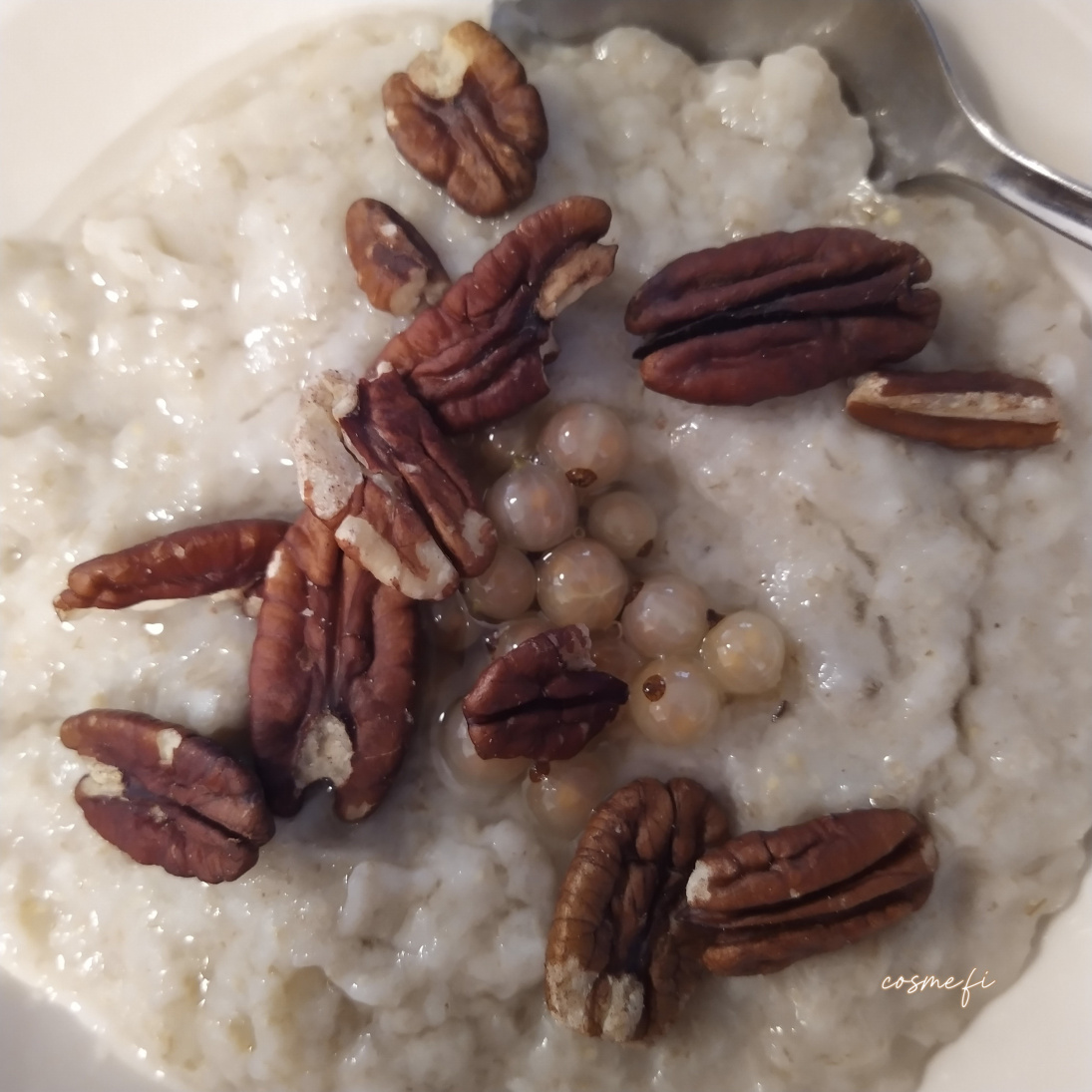
- Foods rich in antioxidants include berries, fruits, vegetables, and nuts.
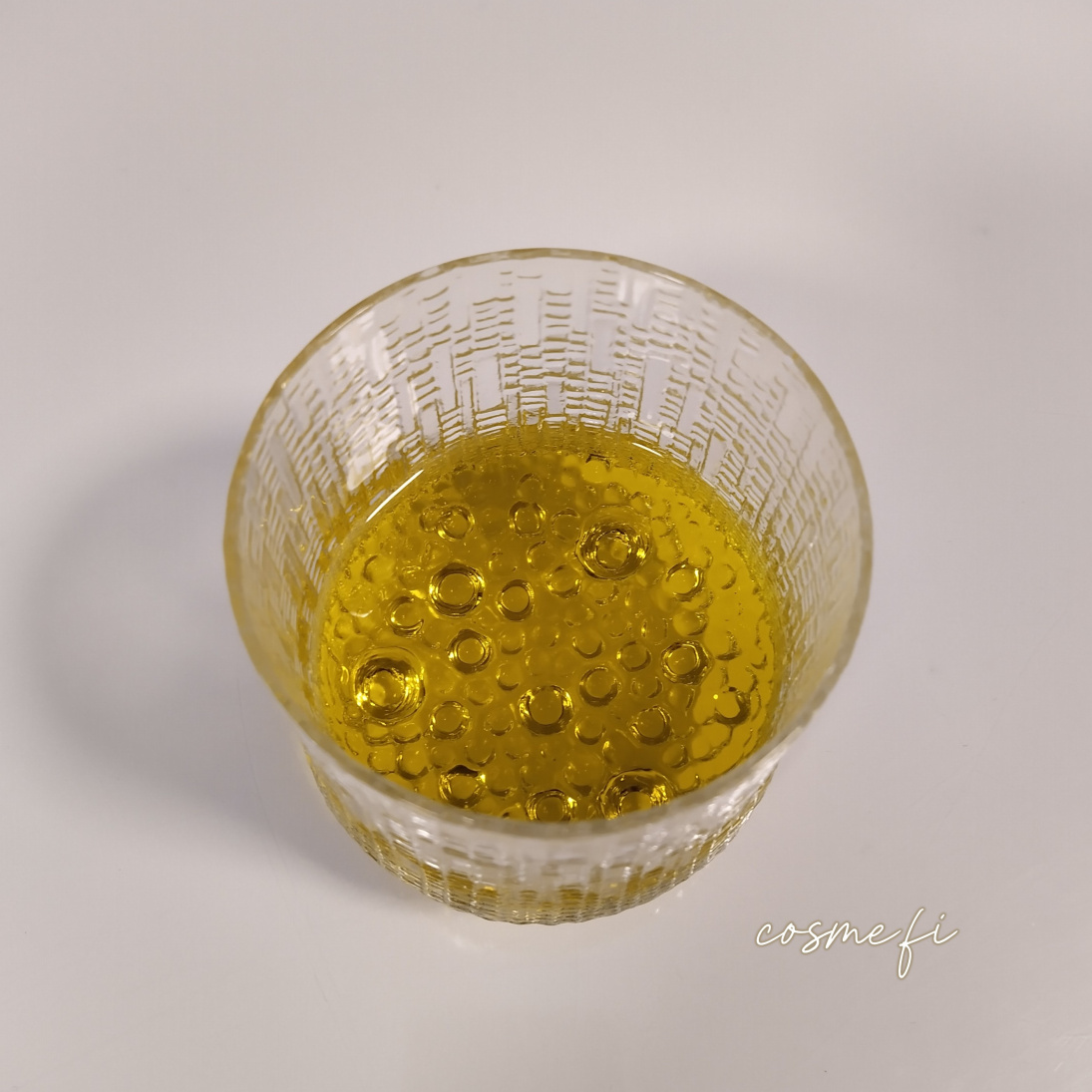
Olive oil is packed with powerful antioxidants. These antioxidants are biologically active and may help the body defend against serious illnesses. Antioxidants aim to prevent inflammation and help stop the oxidation of blood cholesterol – both key factors in the development of heart disease.


